
 AUS
AUS
 NZ
NZ
 UK
UK
 CA
CA
 USA
USA
 IND
IND


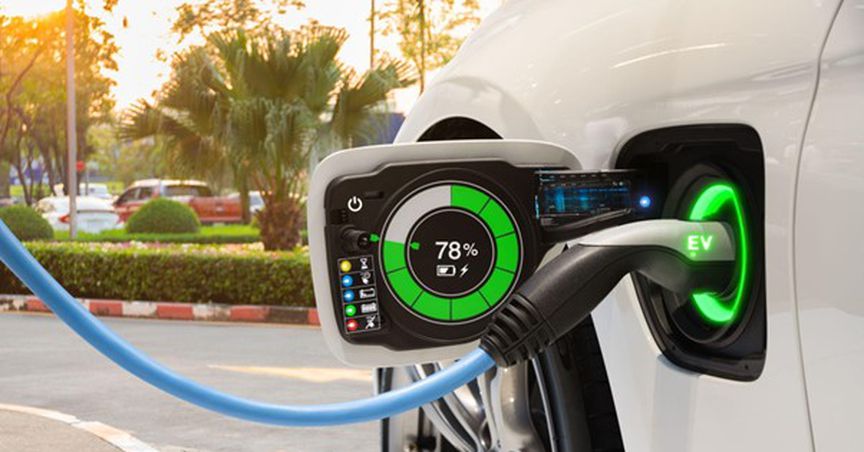





Highlights
- A majority of Australians say they’d consider buying an electric model as their next car.
- The Australian Labor Party has formed a “Powering Australia Plan” that aims to make electric vehicles cheaper with an electric car discount and Australia’s first National Electric Vehicle Strategy.
- Anthony Albanese has promised to establish more charging stations and re-work on import and fringe benefits tax.
Head of The Australian Labor Party, Anthony Albanese, won the federal elections earlier this month. As the Labor party comes into power, it is worth wondering as to which industries will thrive more after the defeat of the Liberal party after about a decade.
Australia- a renewable energy superpower?
The labor party has sworn to bring a major shift in Australia’s outlook on climate change. Anthony Albanese has promised to bring a significant difference in the country's climate change policy. The party is dedicated to ending the raging climate war in Australia and supports various sectors in taking positive actions on climate change.
For instance- electric vehicles (EVs). As per the new government, there are just 24,000 registered electric cars on Australian roads, of around 15 million total cars. This is despite growing enthusiasm for electric cars in Australia as they remain unaffordable for most Australians.
Labor party’s electric vehicle policy
The Albanese government has promised to deliver an electric vehicle policy. It has formed a “Powering Australia Plan” that will introduce an Electric Car Discount and work towards bringing in multiple benefits for Australians.
Getting an electric vehicle is often not problematic. However, maintenance and charging become a challenge. The elected government has promised to establish more charging stations and remove import and fringe benefits tax.
As part of Labor’s Electric Car Discount, the party plans to exempt many electric cars from:
- Import tariffs – a 5% tax on some imported electric cars,
- Fringe benefits tax – a 47% tax on electric cars that are provided through work for private use.
These exemptions will be available to all electric cars below the luxury car tax threshold for fuel efficient vehicles. The cut-off is likely to encourage car manufacturers to import and supply more affordable electric models in Australia.
MUST-READ: Here’s how range of electric vehicles has evolved over time
Source: © Martinleber | Megapixl.com
Problems to be addressed
With EVs, the only problem is not with the limited demand- the primary problem also lies on the supply side. The supply of electric vehicles in Australia is limited. Thus, the climate department and transportation department need to align with the vehicle emissions standards with overseas markets.
Additionally, the government also needs to devise a plan to maintain the supply channels. The supply of EVs is already running short due to limited availability of raw materials such as chips, due to Covid-19, lockdowns in China and the war in Ukraine.
The most important aspect for direct consumers is the price of EVs. If the labor party wants to increase the demand for EVs in the country, they need to adopt measures to reduce the market price- be it through cutting the excise duties or increasing the domestic production of EVs.
MUST-READ: What challenges await automakers transitioning to electric vehicles?
Bottom line
In his victory speech, Anthony Albanese promised to cut down carbon emissions by 43% by 2030 compared to 2005. So, to meet the goal, his party aims to boost renewables, offer discounts for electric cars, and help build community-owned solar power and battery projects. Thus, if all the said promises are made, EVs are well poised to explode under the labor government.
