
 AUS
AUS
 NZ
NZ
 UK
UK
 CA
CA
 USA
USA
 IND
IND


.jpg)




Highlights
- In 2020, the UK left the European Union, but its impact on the economy has been a double-edged sword for most businesses.
- After Brexit, businesses in UK are paying 10% more than EU businesses on carbon emissions.
- But despite rising inflation and other challenges due to Brexit, UK manufacturers are optimistic that business productivity and situations will improve in 2022.
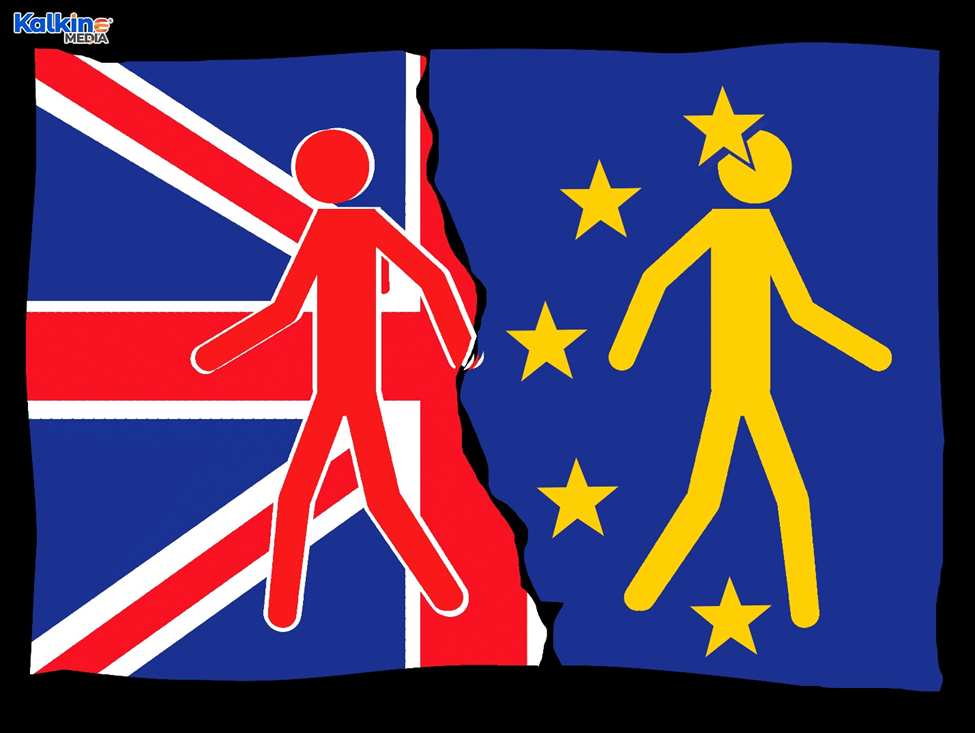
It’s been more than a year since the UK left the European Union but its impact on the economy has been a double-edged sword for businesses as trading across the European Union has become very difficult due to various reasons.
Before Brexit, the UK was a part of the European Union, and it was easier to trade goods and services without border checks, tariffs, and other documentation. But things have changed now. For trading goods, businesses must qualify for tariff-free trading or preferential treatment under new TCA rules and need to apply for an Economic Operator Registration and Identification number (EORI) to qualify for trading in the EU. Some argue that all this has made UK products less attractive in the EU market and some say that it could help businesses to trade more freely in the global market.
© 2022 Kalkine Media®
Almost every industry in the UK is affected by Brexit. The situation is worse due to the pandemic, which has potentially impacted the economy, along with other problems like shortage of migrant workforces and skilled workers, shortage of fuel, supply chain crisis, and increasing energy bills. However, some industries such as retail, food and agriculture, manufacturing, transportation, pharmaceutical, and financial services were impacted more than others.
Also Read: 5 stocks affected as Brexit and Omicron hit UK exports
Higher cost for UK businesses
After Brexit, businesses in the UK are paying 10% more than EU businesses on carbon emissions, amid rising energy bills as the government disagreed to link the UK’s carbon market biggest European market.
Businesses are paying an additional €90 a tonne for the carbon they produce while EU businesses pay €85 a tonne. The difference in these figures is because the carbon market was set up last year. The reason behind the higher prices is the small size of the UK market that lacks liquidity of the EU emissions trading scheme that covers all heavy industries.
Businesses need to buy tradeable permits to cover their carbon emission to meet net zero emissions target and to clean up their operations. While experts say linking the UK’s carbon market to the EU market will offer a better solution, ministers are aiming to reduce carbon prices before 18 January, which may reduce some of the price pressure.
Also Read: How Brexit has affected UK in last one year
Will Brexit continue to bother UK businesses in 2022?
Additional cost in 2022
With the new customs rules of Brexit are set to be implemented, the biggest challenges for companies this year are customers delays and red tape, which will add to the soaring costs, along with shortage of workers and supply chain crisis. As per an industry survey published on Monday, despite rising inflation and changes due to Brexit, UK manufacturers are optimistic that business productivity and situations will improve in 2022.
According to PwC and Trade body Make UK, 73% of manufacturers feel that the productivity for the manufacturing sector will improve and 78% believe that the sector will see a moderate increase in productivity this year due to various reasons. However, two-third of businesses reported that Brexit has negatively affected their operations with rising inflation, supply chain crisis, and shortage of workers. While over a third of those surveyed said they would shift their business operations elsewhere within the next two years to avoid these problems.
In October last year, the UK’s manufacturing output remained over 2% below pre-pandemic levels. According to Make UK, this represents only 20,000 manufacturing companies of different sizes across the UK.
Also Read: Has Brexit affected UK’s passport power?
Bottomline
It’s been more than a year since the UK has formally left European Union but still its impact is bothering the businesses. Although 2021 was expected to be a game-changing year where UK businesses could trade more freely with non-EU markets and offer more opportunities to grow. But the coronavirus pandemic changed the whole dynamics. Experts feel the year 2022 could be better as most businesses are developing ways to stay relevant to unseen challenges like these and are less immune to international challenges.
