
 AUS
AUS
 NZ
NZ
 UK
UK
 CA
CA
 USA
USA
 IND
IND





Highlights
- Philip Lowe said most central banks around the world have concluded that the current increase in inflation rates are likely to be temporary.
- According to him, being consistent with a view of a transitionary inflation and not a persistent one, interest rates are expected to plateau around historically low levels.
- He also concluded that an imbalance in demand and supply equation due to the COVID-19 pandemic has been the primary driver of inflation.
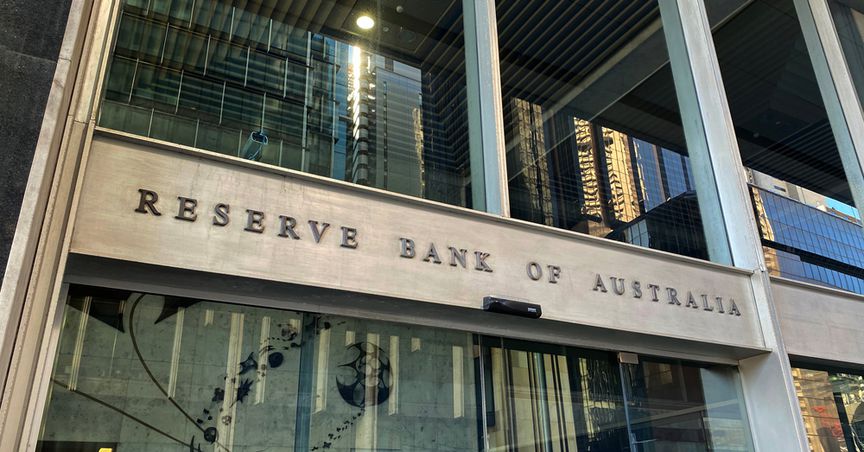
RBA Governor Philip Lowe on Tuesday addressed the Australian Business Economists (ABE) on recent trends on inflation. Starting right off the bat with the inflation target, Lowe stated that concerns have popped up recently in the wake of a spike in inflation, which after years of remaining below the central banks’ target.
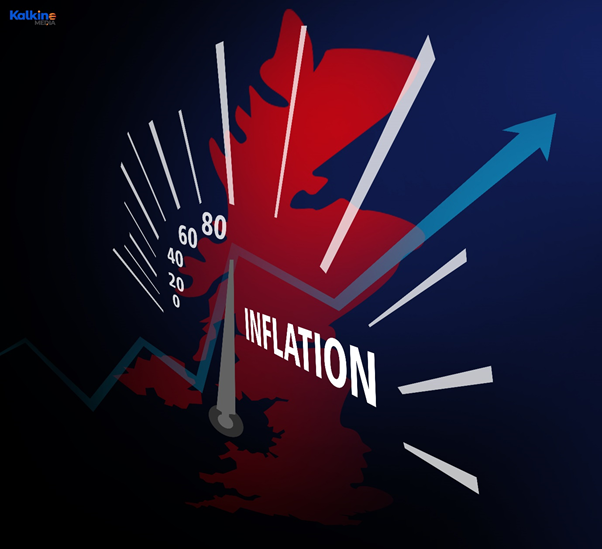
Image Source: Copyright © 2021 Kalkine Media Pty. Ltd.
Lowe said the Consumer Price Index (CPI) has increased in most of the economies in 2021, with a lot of countries experiencing headline inflation rate of over 4%. However, not every country is in the same position, such as Asian countries – China and Japan, where inflation has risen marginally. Let’s have a look at five key points highlighted in Lowe’s online keynote.
- IMF Inflation Forecast
Most central banks around the world have concluded that the current increase in inflation rates are likely to be temporary. According to the latest inflation forecasts by IMF, inflation is expected to calm down in 2022, with an estimate of around 2% for most economies.
The data clearly shows IMF doesn’t think the current inflation to be a persistent change and is on the same page with the central banks.
- Interest rates
The current market pricing suggests that investors across the world are expecting central banks to hike interest rates by the end of the next year, especially in advanced economies. Also, some countries such as New Zealand, South Korea and Norway have already started to tighten their monetary supply with a hike in cash rates.
However, being consistent with a view of a transitionary inflation and not a persistent one, interest rates are expected to plateau around historically low levels for most economies. A period of high interest rates is not required at the moment to curb inflation within the targets.
- Household consumption
The imbalance in demand and supply equation due to the COVID-19 pandemic has been the primary driver of inflation, especially the red-hot housing market. During lockdowns, household spending switched from services to goods.
Vacations, gyms, eating out, etc. took a back seat and people purchased goods for their homes, including fitting out their home offices. This resulted in an unprecedented shift in consumption patterns which reverberated throughout the economies.
- Supply chain disruptions
Wreaked supply chain is also another factor driving inflation. Modern supply chains have been calibrated to deliver goods ‘just-in-time’ to reduce the inventory costs. However, in a very short time, it turned into a disadvantage, and coping with the humongous shift in demand and supply became an uphill task.
A sudden surge in demand coupled with government’s cross border restrictions compounded delivery shortages, contributing to inflation.
- Commodity prices
The macro environment leading to inflation is not limited to the supply and demand equation. The global production has taken a hit but surging commodity prices are driving manufacturers’ cost of production, the effect of which is passed on to the end consumer.
The commodity and energy markets had started to increase even before the COVID-19 pandemic, to a point where the short-run supply curve was quite steep.
