
 AUS
AUS
 NZ
NZ
 UK
UK
 CA
CA
 USA
USA
 IND
IND






Highlights:
- Wage inflation is an increase in wages and salaries due to shortages of labour
- New Zealand’s annual wage inflation has hit 3.0%
- This was 2.6% in December 2021
It is interesting that economists are worried about wage inflation also. One would have thought that increase in consumer prices can be offset by increase in wages. But that is not so. Wage inflation is a term that denotes an increase in salaries and wages in the adjusted Labour Cost Index (LCI). This index measures changes in the cost of labour incurred by businesses. Companies could increase wages for a number of reasons, including an increase in minimum wages from the government’s side. The federal and state governments can increase minimum wages, if they feel the cost of living has risen. The increased cost of living and labour shortages also drive wage inflation.
There could be other reasons as well that could lead to wage increases. If a specific industry or a company is growing rapidly, companies might raise wages to attract talent or provide higher compensation for their workers as an incentive to help the business grow.
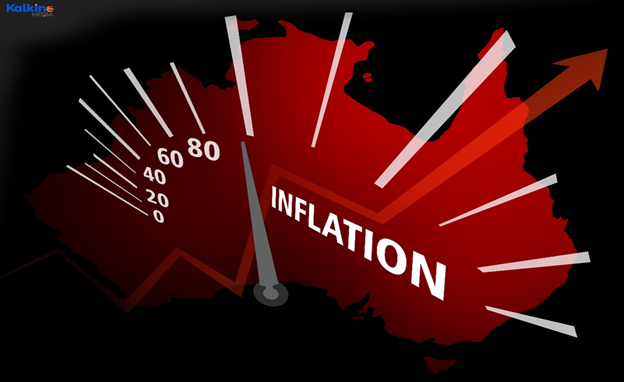
Image Source: © 2021 Kalkine Media®
Wage inflation in NZ
The reasons for wage inflation in NZ are not difficult to guess. They have been on the rise because of the rising cost of living, but more importantly, due to a shortage of labour in the last three months with annual wage inflation hitting 3.0%, as measured by LCI. This was the highest level since the March 2009 quarter, said Stats NZ. It was at 2.6% in the December 2021 quarter.
The average ordinary time hourly earnings rose 4.8% to NZ$ 36.18, as measured by the Quarterly Employment Survey. Even the proportion of employees receiving annual wage increases jumped 64% in the March quarter from 46% a year earlier.
Wage inflation vs consumer price inflation
There is no doubt that wages have increased more quickly over the past year, but annual consumer price inflation has exceeded annual inflation wage inflation in last four quarters. The consumer price index increased to 6.9% till March 2022. The main reasons for an increase in consumer prices were housing and household utilities along with rising rentals and the cost of construction.
While wage growth has been high in last four quarters, wage inflation has been lower than consumer price inflation.
Wage increases were observed for many more jobs over past year than we saw a year before that, said Stats NZ, yet the cost of living is still higher.
The reason for this is also that the largest growth came from big industries which need intense labour like manufacturing, healthcare, social assistance, etc.
Interest rate hikes
It is now expected that the Reserve Bank will increase interest rates again as the labour market will be the key reason for domestic inflation in 2022 and that the labour market will be a key driver of domestic inflation pressures over 2022. The cost of living could further rise as companies will feel the pressure of increasing costs due to wage inflation and increasing cost of raw materials, and pass it on to the consumer.
This would need more rate increases to bring back the labour demand in line with the supply. This will require ongoing interest rate hikes to bring labour demand back in line with supply and curb further wage increases.
It is expected that with this in view, the RBNZ might go for another 50-bps hike in May when it meets for its monetary policy review.
Bottom Line: Wage inflation is becoming a big worry in NZ as it is rising fast due to a shortage of labour. However, according to estimates, the cost of living is still higher than wage inflation.
