
 AUS
AUS
 NZ
NZ
 UK
UK
 CA
CA
 USA
USA
 IND
IND







Summary
- Trade lawyers and experts have suggested numerous ways of how Australia can improve its trade relationship with China.
- Chine recently raised wine tariffs, halted lobster imports, and banned other Australian products from the Chinese market
- Trade Minister Simon Birmingham will most likely pursue a legal complaint with the World Trade Organisation (WTO) unless Australia finds a more effective solution.
- However, experts believe that the land down under has many more opportunities to get what it deserves, according to the trade agreement with China.
As China keeps continuously slamming Australia with additional tariffs on imported products, the land down under needs to think of a way to fight back. Trade experts believe Australia can do a lot more than just pursuing legal actions and taking the matter to the World Trade Organisation (WTO).
Last week, China implemented excessive tax rates for Australian wine, making it more than 200 per cent. Wine joined the lobster industry that now needs to undergo ‘special treatment’ and additional inspection at the Chinese border.
RELATED: As China raises tariffs, Australian wine industry may feel the heat
Cotton, barley, beef, and many more industries that largely depend on China, are now in danger because of China’s hidden agenda.
Meanwhile, Australian Trade Minister Simon Birmingham has threatened to report trade difficulties to the WTO, as China has not revealed any apparent reason for behaving in such a way. Yet, professionals think Australia could do a lot more.
ALSO READ: Australian lobster industry in troubled waters after Chinese restrictions
What actions can Australia pursue against China?
Australian Strategic Policy Institute Defence Director Michael Shoebridge believes that Australia can play the reputation card. Namely, it should present the problems publicly and show to the world how China deals with its trade partners when it does not agree with their politics.
By doing so, Mr Shoebridge thinks that other big nations might take serious trade actions against China. Germany, Sweden, and France have already charted out business strategies with the Indo-Pacific area so that Chinese dominance could be suppressed.
In light of the above, the recent Regional Comprehensive Economic Partnership (RCEP) could also play in Australia’s favour. 13 other countries that are part of the agreement, might see China’s abuse of power, and understand the RCEP as unmeaningful.

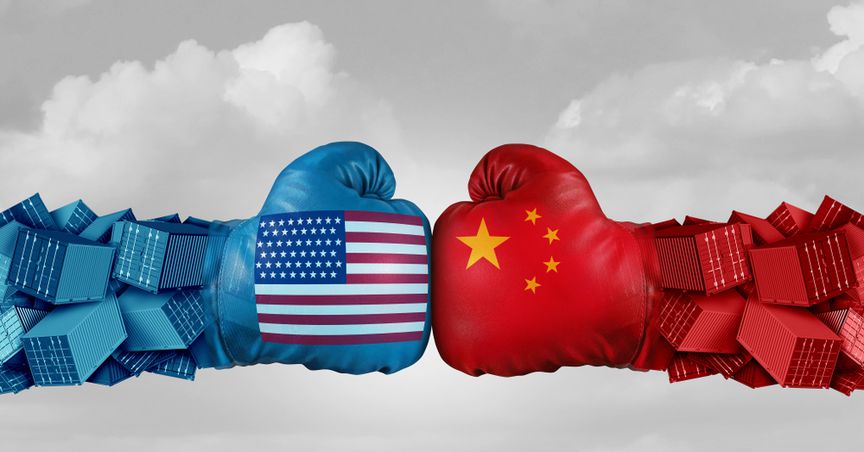
Source: Shutterstock
Besides these, the government also needs to pursue local consumers to buy more Australian-made products while hiring more Australian workforce to do the job. By focusing on selling products onshore at a full price, businesses do not need to be worried about losing profit but rather succeed in boosting the economy even more.
There is also an option of using Australian diplomats to calm overall tensions with China. However, previous Chinese actions have shown that they, most likely, do not want to stop with trade threats.
The worst-case scenario would be going through with the WTO complaint. Whatever Australia decides to do, it must do quickly, so that the local producers do not suffer immense consequences of the trade war.
DID YOU READ: The milieu between China and Australia when it comes to trade talks
According to some experts, the WTO lawsuit could take up to 18 months to be finalised. That would mean that Australia would not have a steady export GDP by 2022.
