
 AUS
AUS
 NZ
NZ
 UK
UK
 CA
CA
 USA
USA
 IND
IND





Highlights
- Fuel price increase to cause additional burden on Kiwis’ pockets
- The Government says that it is due to an increase in Brent Crude.
With fuel prices rising, Kiwis are feeling pressure on their household budgets. According to some estimates, filling at a petrol pump will cost Kiwis more than $9 per litre now, fueling inflationary pressures further.
Unleaded 95 has crossed NZ $3/litre at many gas stations in the country and is likely to rise further.
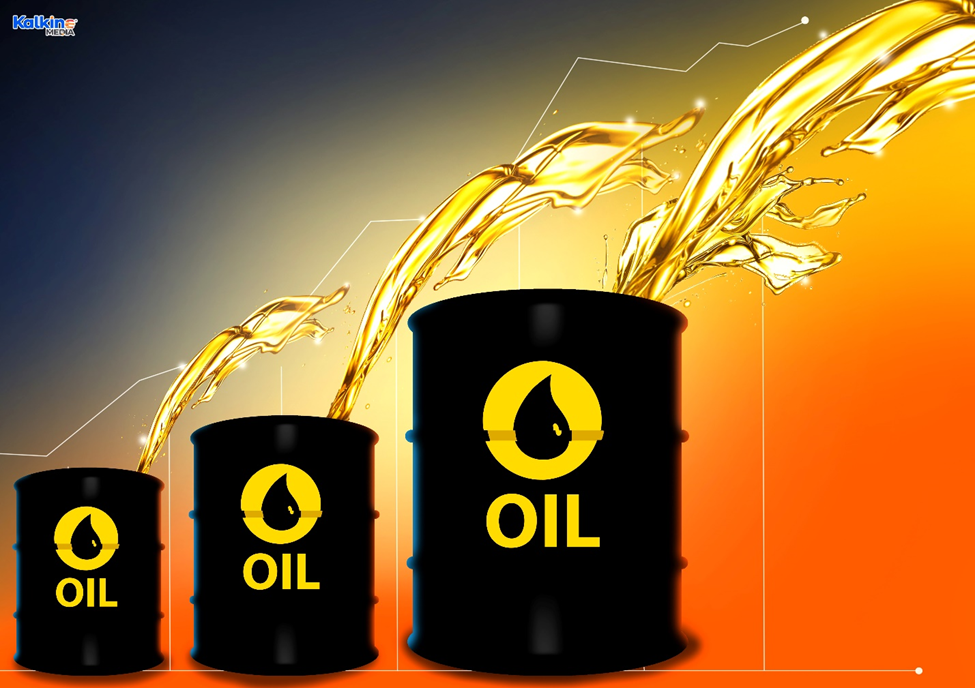
Image Source: © 2022 Kalkine Media
While the average price of 95 is NZ$2.79, up 22 cents from last month, some expect that it may also touch $3 in the coming months. Currently, the average price of 91 is NZ$2.61, also up 14 cents from a month ago.
The reasons for the fuel price rise are many, including import costs, supply problems due to COVID-19 disruptions.
PM Ardern on fuel prices
The Government says it is largely driven by the global scenario of higher fuel prices, but the opposition says that the government has done nothing to stem the rising prices. Opposition leaders feel that it is the fuel tax that is largely responsible for the recent hike.
Prime Minister Jacinda Ardern said that it is a global phenomenon and many countries were facing fuel hikes. Brent Crude which was about US$67.45 in December is now US$92.69. The fuel price hikes in NZ are market-driven, she said.
Even Transport Minister, Michael Wood's office confirmed that global crude oil prices were largely responsible for the rise in fuel prices. Even importers’ costs, levies and the emissions trading scheme were influencing the petrol prices.
According to experts, the end to fuel price hikes is not yet in sight with a number of domestic and international factors likely to force them higher in the coming months.
Kiwis to relook at their budgets
For people, it’s just not an increase in petrol price, even the inflation is at a record high. According to Stats NZ, the inflation rate has gone up to 5.9%. Consumer prices have also gone up in last quarter and that would put a lot of pressure on households with food, housing and electricity becoming more expensive.
