
 AUS
AUS
 NZ
NZ
 UK
UK
 CA
CA
 USA
USA
 IND
IND





Summary
- Scotland has been trying to gain independence from the UK as it is dissatisfied with its response to pandemic and Brexit.
- Scottish First Minister Nicola Sturgeon is pushing ahead with a referendum to quit the union amid Scot polls showing a majority support for independence.
- PM Boris Johnson is trying to woo Scotland back based on its strong response to handle the Covid-19 pandemic.
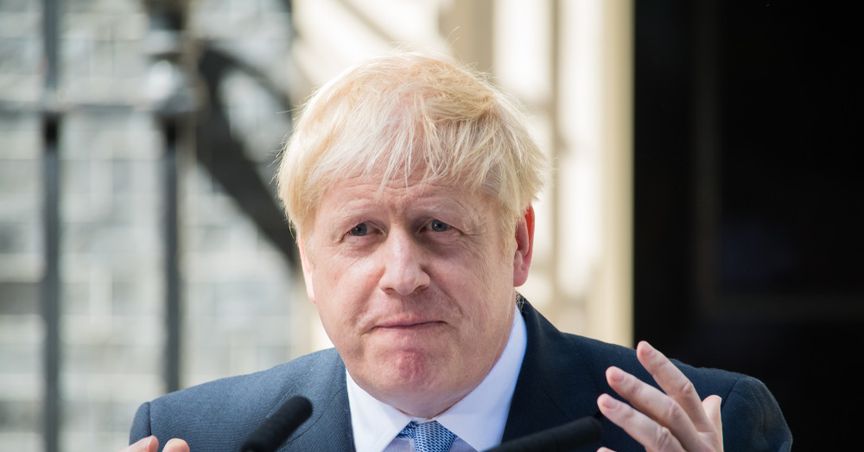
British Prime Minister Boris Johnson would visit Scotland today for confronting the increasing support for a referendum on independence from the United Kingdom. Scottish First Minister Nicola Sturgeon has questioned if his trip is an ‘essential’ one, insisting that leaders should abide by the same rules set for the common man.

(Source - © Kalkine Group 2020)
On Sunday, Sturgeon had published an 11-point plan for independence as dissatisfaction among Scots is gradually rising over factors such as Brexit and UK’s response to it, and the coronavirus pandemic. Consequently, the Scottish National Party has called several times over the past one year for bringing on a new referendum on independence.
PM Johnson said that Scotland has gained access to the Oxford vaccine and the jabs are being administered by their shared armed forces, who are in the process of establishing 80 new vaccination centers across Scotland. He stressed that throughout the pandemic, the government’s focus remained on ensuring cooperation across the UK, which has helped the Scots to a greater extent.
Responding to Sturgeon’s concerns over Johnson’s visit, the PM office said that it was important for Johnson to be accessible to the whole of the United Kingdom during the tough pandemic times.
Rising discontent
The latest opinion polls in Scotland had showed a growing support among Scots for leaving the UK. Earlier, the Scottish fishermen had reported issues arising due to Brexit as new restrictions were created for trading with the EU.
In fact, political analysts pointed out that such a situation clearly risked pushing the UK into a failed state, with growing annoyance from Scotland and Northern Ireland, especially after Brexit.
Analysts suggest that the upcoming Scottish Parliament elections could help Sturgeon win an absolute majority, who currently runs the nation’s semi-autonomous government.
Independence referendum
Soon after the pandemic started spreading, Sturgeon promised to go ahead with the referendum, irrespective of whether she got permission from the British PM or not. Till now, Johnson has refused to consider any such vote. In fact, he highlighted union’s victory in the last independence referendum that took place in 2014. The Scots had voted against independence by a 55 per cent vote in 2014. Besides at that time, most Scots wanted to remain in the EU at the forthcoming 2016 Brexit vote.
To conclude, it cannot be denied that the past few years have boosted the prospects of Scottish independence, especially with the unpopular Johnson holding the PM seat.
