
 AUS
AUS
 NZ
NZ
 UK
UK
 CA
CA
 USA
USA
 IND
IND








When motorcoach operator Greyhound ceased operations in Western Canada in 2018, communities in small towns including Massey in Ontario and Osoyoos in British Columbia were forced to find alternate ways of transportation. Now, in 2021, amid the pandemic that has restricted intercity and intra-city travels across Canada, Greyhound has announced its complete exit from Canadian market.
For decades, the iconic Greyhound ferried people from one city to the other across North America. From students to working professionals and elderly to adventure-seekers, many were dependent on Greyhound services given the cheap fares as compared to owning and maintaining a car. But above all, it was company’s routes, that linked smaller, faraway communities with bigger cities, which made Greyhound so popular.
So, what’s next? Will these routes see new bus service operators?
Latest developments suggest competitors may take over the routes where Greyhound once enjoyed near monopoly.
Undeniably, not everyone, such as young students and essential workers, can afford cars or airlines. In other words, there is a demand for bus service. And if market players can efficiently fill this demand, it could turn into a lucrative business model.
However, the pandemic may delay the entrance of new players in this space, says Greyhound. Intercity bus travel has been severely impacted in last one year, with Greyhound losing 95 per cent of its ridership as soon as the COVID-19 first struck.
This factor could delay the immediate involvement of bus operators. Spirits, however, are high.
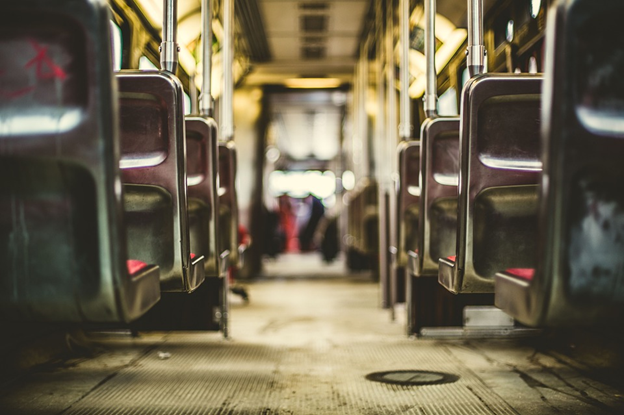
Source: Pixabay
On the same day Greyhound declared its departure from Canada, Rider Express – a Saskatchewan-based company – posted a message saying they are launching services in Ontario and Quebec.
Rider Express also expressed its intent to build a nation-wide network for bus services. Citing its ‘truly Canadian’ identity, it promises to connect the whole of Canada via a single ticket!
Another notable point here is the imminent deregulation of bus service on southern routes. This means more operators will have the permission to provide services to travelers. Losing its monopoly could be another reason why Greyhound exited the space.
Rider Express may not be the only one looking to fill the space vacated by Greyhound. Pacific Western, Kasper, Ontario Northland and other transport companies can come up with integrated routes to serve riders.
However, federal-funded train and transit system may emerge as a formidable competitor to any intercity bus service operator.
To tackle this, the federal government can come up with policy measures to support the bus carriers, which can significantly improve their profitability.
Further, Greyhound’s departure will impact indigenous and First Nations communities, just like it impacts thousands of workers who used the intercity services. Hence, the federal government may step in with incentives for operators.
As we know, many cities around the world are pushing for all-electric bus fleet. Shenzhen in China was the first to achieve this feat. Will Greyhound’s exit be filled by buses that will not burn fossil fuels?
This seems unlikely given the shorter range of electric buses. But as tech for batteries develops, this will also be an interesting space to watch.
