
 AUS
AUS
 NZ
NZ
 UK
UK
 CA
CA
 USA
USA
 IND
IND






Highlights
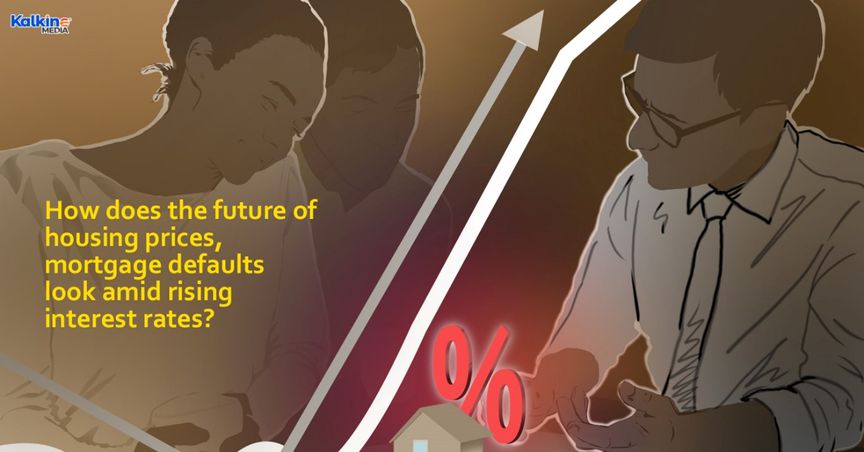
- Consumer sentiment is running low because of skyrocketing prices. As interest rate rises, demand for housing will decline-thus, prices ought to fall.
- Vulnerable households paying mortgage loans may suffer higher, and defaults may rise in such a scenario.
- Higher risk of skyrocketing prices, higher interest rates and mortgage defaults can be combatted with improvements in labour market.
Recently, Australia’s inflation data for the March quarter was released, and the numbers surpassed market expectations. The consumer price index (CPI) for the quarter increased by 2.1%, taking Australia’s inflation to a 20-year high. Amid skyrocketing prices, the Reserve Bank of Australia (RBA) plans to increase the cash rate.
So, how will the Australian housing market react in the upcoming months? - Let’s decode.
Relationship between inflation, interest rates & property prices
All economic factors are connected in one way or another. A mild change in either factor can cause tremendous changes in other financial forces. The inflationary pressures in Australia are mounting high. Following this, the RBA plans to increase the interest rates to limit borrowings and cash flow in the economy. As a result of rising interest rates, the demand for property will be poised to decline; thus, prices for properties are likely to eventually fall.
Title: Three Takeaways From Australia's March 2022 Quarter Inflation Data
INTERESTING READ: How is the higher cost of living impacting first home buyers in Australia?
Current state of economic drivers in Australia
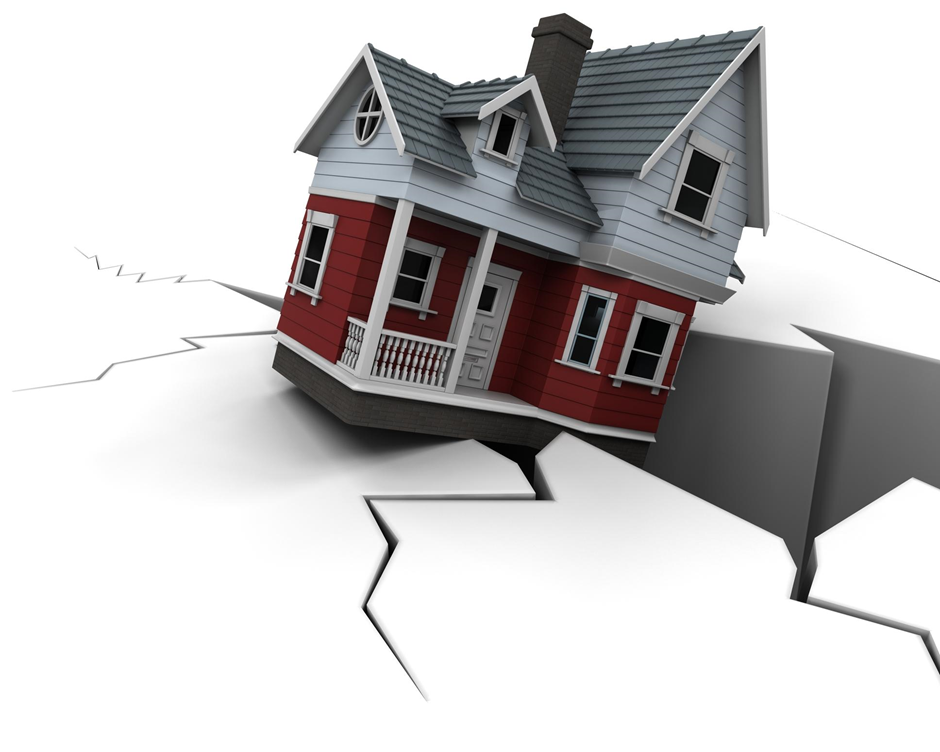
RBA is yet to increase its official interest rates. However, following the increase in fixed interest rates across banks, the demand for housing has already fallen lately, especially in Sydney and Melbourne. Consumer sentiment is running low because of skyrocketing prices, and the supply of houses is in abundance; thus, the housing prices ought to fall.
RBA earlier stated that around a 2% rise in interest rates could cause the housing prices to fall by 15%. Several economists have stated that this change would take the housing market back to March 2021.
GOOD-SECTION: Can the Russia-Ukraine war derail Australia's economic recovery?
Source: © Kjpargeter | Megapixl.com
Will there be more mortgage defaults?
As the economic stress on borrowers rises, will there be more mortgage defaults? Well, this is a complicated question because a rise in interest rate would demotivate people to take loans. Thus, there are higher chances for the property market to face the grim and not for the mortgage defaults.
Rising interest rates will limit borrowers' capacity, and the banks would also give limited loans in this scenario. Fewer new borrowers and the old ones are already ahead of their repayments and still pay lower interest rates. However, vulnerable households paying mortgage loans may suffer higher, and the chances of defaults may rise in such a scenario.
MUST-READ: Why IMF expects the Australian economy to grow at 4.2% in 2022
What can save the Australian economy in the upcoming months?
The higher risk of skyrocketing prices, higher interest rates and mortgage defaults can be combatted with improvements in the labour market. If the rise in wages outperforms the increase in inflation, Aussies can have a smooth hand in spending in the future. Additionally, to bring the housing market on track, the country needs to provide more lucrative job opportunities to immigrants so that the demand for housing increases and the prices recover.
