
 AUS
AUS
 NZ
NZ
 UK
UK
 CA
CA
 USA
USA
 IND
IND





Source: Sittipong Phokawattana ,Shutterstock
Welcome to the Economic Corner – where we update you on all the biggest global economic announcements.
US Federal Reserve meeting on 17 March was one that was closely watched by the world. The Federal Open Market Committee meets against a sharply improved US economy compared to its last meeting in January.
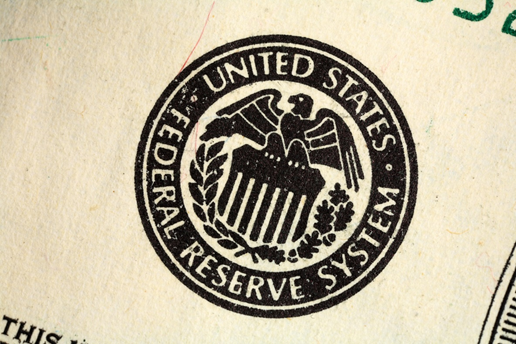
Image Source: © Paulcowan | Megapixl.com
With Joe Biden’s USD 1.9 trillion stimulus, mass vaccination rollout and successful slowing down of coronavirus cases, the US economy is on the path to recovery from the pandemic. The sentiment is picked up by the markets as well with 10-year yields touching their highest levels in more than a year. Market volatility have raised concerns on premature tightening of financial conditions.
In the last projection, core personal consumption expenditure inflation was expected to reach 2% in 2023.
From the Fed’s last meeting in January, the US government debt market is witnessing pressure. Yields which rise as prices fall have surged to pre-pandemic levels. Fed has decided to increase its holding of Treasury securities by USD 80 billion on a monthly basis and UDS 40 billion per month increase of agency Mortgage-backed securities until maximum employment and price stability targets are achieved.
Also read: Quick update on all the biggest global economic announcements for the day
The Reserve Bank of Austraila’s Assistant Governor Christopher Kent said that negative rates are not under consideration in Australia. He further added that the bank would not increase the cash rate until CPI is within the target band and would consider a response if Lending Standards deteriorated, clarifying that the response would not be Monetary Policy.
Meanwhile, Myanmar's violence resumed on Tuesday, with two protestors shot and killed by the security forces. The nationwide death toll stands at 149 as per the UN.
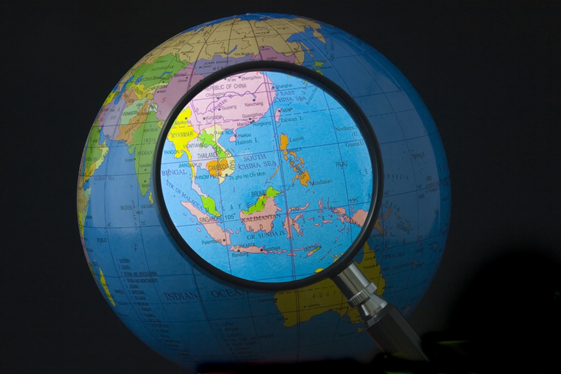
Image Source: © Jojojojo | Megapixl.com
On the other hand, tensions have risen, with North Korea sending a warning to Joe Biden against holding military drills with South Korea. This has happened while the top US diplomats have arrived in the region for talks.
The U.S. and Japan warned Beijing against "coercion and destabilizing behavior" on Tuesday. Pentagon chief Lloyd Austin and top U.S. diplomat Antony Blinken will start their first overseas trip from Monday in Japan. They are looking to shore up regional alliances and send a message to Beijing.
Moving on to other news updates, Facebook has agreed to pay News Corp for content in Australia. Facebook has struck a three-year deal with News corp to provide news to Facebook in Australia. This marks the end of battle between the two giants that was gathering steam worldwide from the past few months. The deal also includes content from other leading publisher such as the Melbourne-based Herald Sun; The Australian Newspaper, the Sydney-based Daily Telegraph; and regional publications.

Image Source: ©Doroo | Megapixl.com
Alibaba browser is pulled from Chinese app stores. This happened after President Xi Jinping warned that Beijing’s crackdown on big tech companies is just the beginning. Meanwhile, some of China’s biggest tech companies are testing tools to bypass Apple’s new privacy rules and continue serving apple users targeted mobile advertisements without their consent.
Uber – the ride sharing company will reclassify its UK drivers as workers as per the company’s latest release. This falls in line with the recent Supreme Court ruling.
COVID-19 Vaccine updates
Moving on to updates from the coronavirus recovery phase, China said it will allow travellers from Philippines, Indonesia and elsewhere outside south-east Asia if they have taken Chinese Covid 19 vaccines. On the other hand, Brussels is set to propose the creation of a Covid 19 certificate that will allow EU citizens to travel inside the bloc.
The EU drugs regulator said that the benefits of the Covid 19 vaccine Astrazeneca outweigh its risks as France, Germany, Italy and Spain seem to take a coordinated decision while suspending it temporarily.
Now updates from the Economic data front
U.S. retail sales declined in February. The fall of 3% in total retail receipts is followed by an upward movement of 7.6% in January, which was the strongest advance in 7 months.
In February, Japanese exports fell much faster than expected as U.S. and China-bound shipments weakened. Ministry of Finance data out on Wednesday showed Japanese exports fell by 4.5% year-on-year in February. This drop is aligned to decline in U.S.-bound shipments of automobiles.
Also read: Top 5 developments from Australia and world
