
 AUS
AUS
 NZ
NZ
 UK
UK
 CA
CA
 USA
USA
 IND
IND







Summary
- The Australian Mining Industry generated $283 billion revenue through exports alone and paid $39.3 billion in taxes to the state and the federal government during 2018-19.
- The mining sector directly and indirectly employs 1.1 million people and contributed ~15% to the national GDP in 2018-19.
- The Australian government anticipates the investment in the mining industry to grow by 5.5% in 2020-21.
The Australian government has taken a series of steps to reinvigorate the mining industry from the abyss of pandemic-induced downturn. Overall, there are more than 106 mining projects in advance stages of development within Australia and have already completed feasibility studies. These mineral projects have together attracted over $50 billion in investments and are estimated to create over 32,000 construction and 22,000 operating jobs.
Interesting Read: Iron Ore Prices Beat Estimates, shoot to 9-Year High
Mining Industry: A wealth generator for the Australian economy
The data from the Minerals Council of Australia reveals that the mining industry employs (direct and indirect) nearly 10% of the total Aussie workforce. The sector generated $283 billion in revenue from exports alone and contributed almost 15% to the national GDP in the year 2018-19. The State and Federal government received $39.3 billion in taxes for the same period.

© Kalkine Group 2020
in light of the mining industry’s utmost significance in the Australian economy, the government has announced a series of steps to make the industry more attractive for investment during the 2020-21 budget. Some of the salient features of the budget related to mining industry are discussed below:
- Skill Enhancement of Workforce
The government of Australia is working with the Mineral Council of Australia to develop the skill set of people working in the mining industry. The government believes that skilled manpower could maintain the competitiveness of the industry.
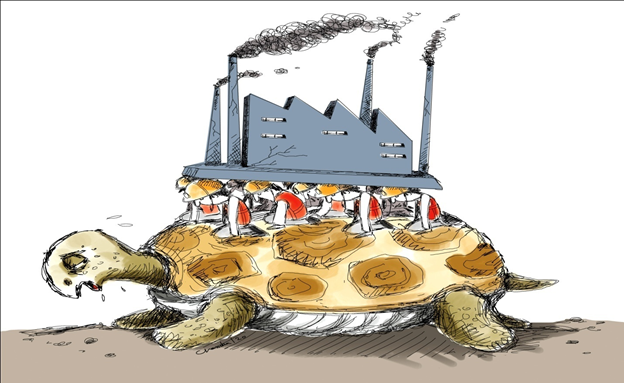
Image Source - ©Kalkine Group 2020
A pilot program in collaboration with the reputed universities has been planned to start the skill development curriculum. Further, the amendments in the undergraduate mining courses are also under consideration. With the help of Curtin University and University of Queensland, the government is also planning to offer online classes and certification in the mining courses.
- Employment Generation and Investment in Mining Sector
In order to create more employment opportunities, more investment is required to pave the way for the development of new mines and expanding the existing ones. According to the Reserve Bank of Australia, over $100 billion will be required to sustain the capital expenditure for commodities including coal, iron ore, and LNG during the 2018-23 period.
The federal government has committed to a package of $4 billion for 2 years, which will provide employment to nearly 450,000 people. The government has set aside another A$1.5 billion to be invested into the latest manufacturing strategy. One of the major takeaways from the pandemic has been an important lesson, that the businesses must be adaptable to the macroeconomics environment.
Recent Update: Australian Resource & Energy Sector Jobs on the Rise claims AMMA
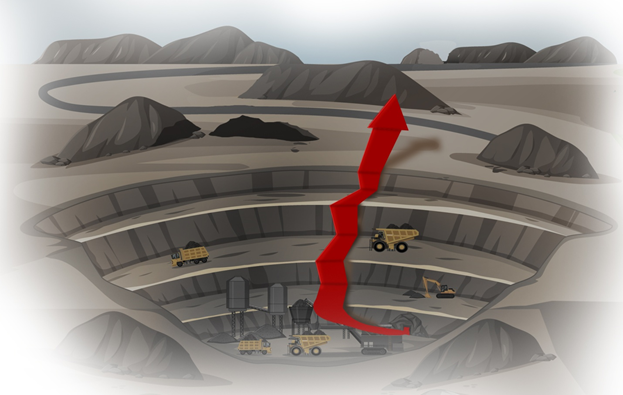
Image Source - ©Kalkine Group 2020
During the past decade, mining companies invested ~$24 billion on exploration in Australia. The federal government’s recent funding of $125 million for greenfield projects over the period of four years, displays its commitment towards the industry.
- Favourable Tax Regime
As mentioned in the beginning of the article, the Australian mining industry contributes significantly to the exchequer of the state and federal governments in the form of taxes. During the period of 2018-19, the industry paid a staggering $39.3 billion in corporate taxes and royalties.
The data from the Mineral Council of Australia (MCA) shows that Australia has the second highest rate of corporate income tax among the OECD countries. The mining industry has paid around A$281 billion in the form of tax and royalties in last fourteen years.
Tania Constable, the CEO of MCA, pointed out that wage subsidy for the trainees, full capital assets expensing, and the proposed tax incentives for research and development will boost investment in the mining sector.
- Fast-Tracking of Regulatory Approvals
In order to make things smoother for the mining industry, the federal government has announced reduction in the regulations. The simple regulations will open opportunities for new investments and will boost the recovery of the sector.
The government has started the regulatory reform program and plans to significantly reduce the numbers of approvals for the mining industry.
The Australian government anticipates the investment in the mining industry to grow by 5.5% in the current financial year. The steps taken by the government and the improving macroeconomics parameters may result in boosting investments and activities in the sector.
All financial information pertains to Australian Dollars unless stated otherwise.
