
 AUS
AUS
 NZ
NZ
 UK
UK
 CA
CA
 USA
USA
 IND
IND


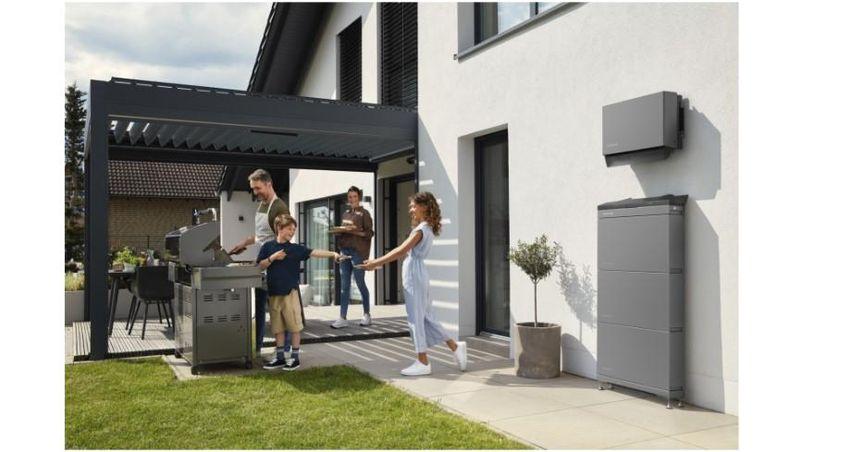





Energy costs have become a central concern for UK homeowners. With electricity prices rising in recent years, many households are exploring ways to reduce bills, increase self-reliance, and make smarter decisions about how they use power. Traditional approaches — simply paying utility bills — are being replaced by more proactive strategies that combine renewable generation, intelligent storage, and better demand management.
In this article, we explore how modern home energy solutions work, why they are gaining traction in the UK, and what they mean for everyday life. We'll also explain how these technologies can help households take control of rising expenditure without compromising comfort or convenience.
Understanding the rising cost of electricity in the UK
Before diving into solutions, it's important to understand why many UK families are feeling the pinch. Electricity prices have fluctuated widely in recent years due to global supply constraints, changes in fuel costs, and shifting energy policy landscapes. Even with protective measures such as price caps and regulated tariffs, household bills can still be unpredictable.
For many homeowners, this uncertainty has prompted a search for alternatives — not just to save money in the short term, but to build a more stable foundation for energy use in the years ahead.
What home battery storage UK can do for you
One key technology often overlooked in national conversations is home battery storage UK. This refers to systems installed in homes that store electricity — typically generated by renewable sources like solar panels — for later use.
These storage systems are designed to capture excess energy when it is abundant (for example, when solar panels are producing more than the home needs), and then release it during times of higher demand or when generation has dropped off. Rather than sending this surplus back to the grid or letting it go unused, storage keeps it working for you.
Modern home battery systems are flexible and scalable, meaning they can be tailored to the needs of different households. They also include safety and performance enhancements such as lithium iron phosphate chemistry and comprehensive battery management systems.
Key advantages of home storage
- Lower electricity bills over time — by using stored power when grid tariffs are highest.
- Greater energy independence — households have power available even when generation is low.
- Reduced carbon footprint — stored renewable energy offsets reliance on grid power.
Because these systems integrate with smart energy management platforms, they can optimise how stored energy is used, reducing waste and giving homeowners both visibility and control over their consumption patterns.
Solar power for your home: How it works and what it can do
Generating your own electricity is one of the most direct ways to reduce dependence on the grid. Solar panels are the most accessible form of generation for residential properties, harnessing sunlight — a free and renewable resource — to produce clean power.
If you're exploring renewable options, don't overlook solar power for your home. Solar photovoltaic (PV) panels capture sunlight and convert it into electricity that can be used immediately in the house or stored in a battery system for later use.
Here's a simplified breakdown of how it works:
- Solar panels absorb sunlight and convert it into direct current (DC) electricity.
- An inverter changes DC to AC electricity — the form used by household appliances.
- Electricity is used in the home or stored in a battery system like EcoFlow's for use later.
Solar power has become increasingly viable in the UK, even in regions with variable weather conditions. With the right system size and orientation, many homes can significantly offset their reliance on grid electricity, especially when combined with storage that captures surplus output for use at night or during low-sun periods.
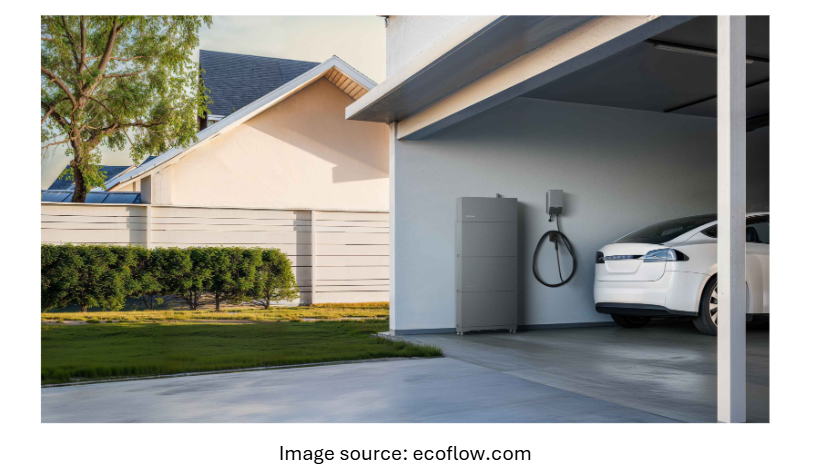
Is solar enough on its own?
Solar panels alone are powerful, but their ability to reduce grid energy use depends on when they generate compared with when the household consumes energy. Peak sunlight generally occurs in the middle of the day, while homes may use more electricity in the evening.
This is where storage really earns its value: instead of allowing all generated energy to leave the home or go to waste, battery systems store it for later. This combination makes solar generation far more effective and ensures that clean power is available exactly when it's needed most.
In fact, homes with sufficiently large solar arrays and battery systems can sometimes cover most or all of their electrical needs across a typical day — greatly reducing dependence on traditional suppliers.
What are normal electricity bills in the UK?
To understand why many homeowners are looking for alternatives, it helps to first look at the normal electricity bill UK. According to recent estimates, the average monthly electricity bill in the UK for a typical household is around £73.41, based on average consumption figures. This reflects the cost of using around 225 kWh of electricity per month for a 2–3 person home.
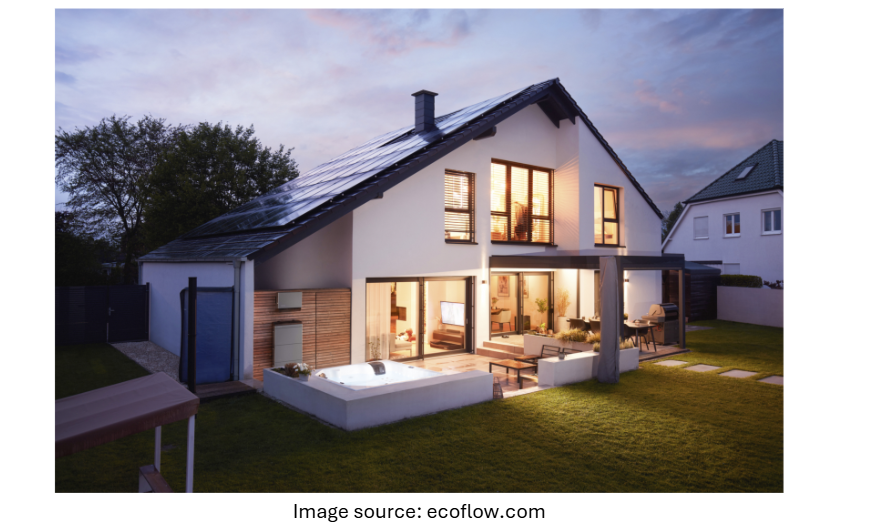
Several factors influence this figure:
- House size: Larger homes tend to use more energy.
- Usage patterns: More occupants and greater appliance use increase consumption.
- Seasonality: Heating demands in winter push bills higher, while summer use is often lower.
By understanding average costs like this, homeowners can better assess how much they might save with solar and storage systems — especially when combined with changes in behaviour, insulation improvements, and more efficient appliances.
How combining solar and storage lowers costs
Individually, solar power and home battery storage have merit. Together, they provide a strategic advantage:
- Use solar electricity first: Reduce grid dependency during the day.
- Store surplus energy: Use stored power when solar isn't producing.
- Less peak grid consumption: Avoid high-cost electricity during evenings and peak tariffs.
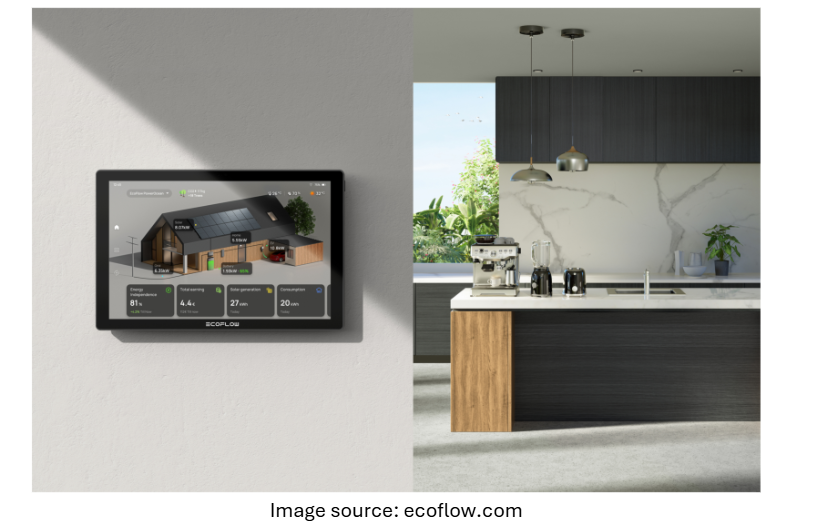
Smart battery systems also come with energy management features that can automate when the battery charges and discharges, helping households take advantage of lower tariffs or optimise for peak savings.
Over time, this can reduce monthly electricity expenditures significantly, especially in homes with moderate to high energy use. Combining generation with storage smooths out the natural variability of solar output and maximises financial benefit.
What to consider before installing solar and storage
Switching to a solar-plus-storage setup doesn't need to be overwhelming, but it does require planning:
- Roof suitability: Your roof should have sufficient space and proper sunlight exposure for solar panel installation.
- System size and needs: A system should be sized based on actual household energy use and goals.
- Installer credentials: Choose an accredited installer familiar with UK standards and safety regulations.
- Financial outlook: Consider payback period and available incentives like reduced VAT or Smart Export Guarantee schemes.
Long-term value and future-proofing
While the upfront investment in solar panels and home battery systems may seem significant, the long-term benefits extend beyond monthly savings:
- Increased property value: Homes with renewable energy systems often command higher resale value.
- Greater energy resilience: Battery storage can provide backup power during outages.
- Lower carbon footprint: Cleaner energy use aligns with environmental goals.
These systems also align with broader trends in energy policy, where distributed generation and demand flexibility are increasingly encouraged to ease pressure on national grids.
Conclusion
For many UK homeowners, the traditional approach of simply paying electricity bills is no longer sufficient — financially or environmentally. By combining renewable generation with intelligent energy storage, households can reduce dependence on the grid, lower costs, and build resilience against volatility.
With solutions like home battery storage UK, effective solar power for your home, and a clear understanding of what a normal electricity bill UK looks like today, homeowners are better equipped than ever to make informed decisions. Whether your goal is cost savings, sustainability, or grid independence, strategic energy planning puts power — quite literally — in your hands.
The content has been authored in collaboration with our guest contributor, Thomas John.
