
 AUS
AUS
 NZ
NZ
 UK
UK
 CA
CA
 USA
USA
 IND
IND


_07_03_2026_03_50_21_133108.jpg)


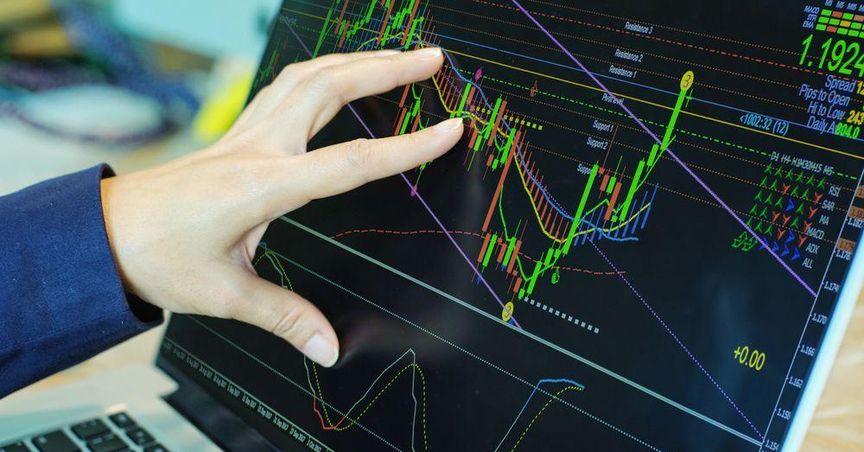
Here's something many novice traders don't fully grasp: you can have a sound trading idea and strategy and still fail because of the trading app. They'rethatimportant. Especially for leveraged Contracts for Difference (CFDs), as they're inherently high-risk products.
Of course, the platform itself isn't the only reason, but it affects almost everything you do: how quickly orders reach the market, what analytical tools you can access, and whether you can automate parts of your strategy instead of sitting in front of a screen all day.
The point is, the right app can remove a lot of friction from your process. The wrong one? It actually adds to it.
Start With Regulation
Features are great, but they don't mean a lot on their own. For example, fancy charting tools mean little if the broker behind the app operates in a weak regulatory environment.
So, check which authority licenses the broker and whether client funds are segregated from company funds. Depending on your region, that may include regulators such as the UK's Financial Conduct Authority (FCA), the Australian Securities and Investments Commission (ASIC), or the Cyprus Securities and Exchange Commission (CySEC).
Also, pay attention toinvestor protections, negative balance protection, and compensation schemes where available. Here's a simple test: if you struggle to find the broker's licence information within two to three minutes, treat that as a warning sign.
Look Beyond Forex
Many traders start with currency pairs and never think about the product range until they want to diversify.
A strong CFD app should give you access to several markets, including:
- Forex pairs
- Global indices
- Commodities
- Shares
- Exchange-traded funds (where available)
- Cryptocurrencies
Product range matters because market conditions change. There are periods when equity indices trend nicely while currencies remain choppy. Sometimes commodities offer better opportunities than either. But you don't want to open another account simply because your current app lacks access to a market you suddenly need.
Understand the Three Ways Platforms Handle Crypto
Crypto has become more complicated than a simple "buy or don't buy" decision.
Some platforms now offer three separate approaches:
- Crypto CFDs:where you speculate on price movements without owning the asset.
- Perpetual futures:which are derivative contracts that don't expire and often include leverage.
- Spot purchases:where you buy and hold the underlying cryptocurrency.
There are now multi-asset platforms that give traders access to more than one of these routes.Axi, for example, offers all three ways to trade crypto.
That's useful because each serves a different purpose. A short-term trader may prefer CFDs or perpetuals because they allow leverage and short positions. A long-term investor might simply want to own the asset outright.
The reason we outline the distinction is simple: to help prevent a common mistake. That mistake is opening a leveraged product when your intention was to invest. Happens more than traders care to admit.
Fees Are More Than the Spread
Traders oftencompare spreadsand stop there. That's not enough because the real cost of using an app usually comes from several places.
These include:
- Spread costs
- Commissions
- Overnight swap charges
- Currency conversion fees
- Withdrawal fees
- Inactivity fees
Swap charges deserve special attention if you hold positions for more than a day or two. They can materially affect profitability, particularly in leveraged positions.
The best thing to do is create a simple spreadsheet and estimate your costs over a month of normal trading activity. It's an exercise that takes fifteen minutes but can save you a lot of money.
Test Execution Quality
A platform can advertise ultra-tight spreads but perform poorly.
Execution quality affects:
- Slippage
- Requotes
- Fill speed
- Order reliability during volatile conditions
You can test this yourself. Open a demo account and place trades during major economic events. Try entering and exiting positions around high-impact releases like inflation data or central bank decisions. Pay attention to how quickly orders fill and whether prices differ substantially from what you expected.
It's worth knowing that in practice, many experienced traders rank execution quality above minor differences in spreads.
Charting and Analysis Tools Matter
You don't need fifty indicators. But you do need a platform that allows you to work efficiently.
Check whether the app offers:
- Multiple chart layouts
- Custom indicators
- Drawing tools
- Economic calendars
- Multi-timeframe analysis
- Back-testing capabilities
- Price alerts
And check how these features behave on mobile. Some apps look excellent on desktop and become frustrating on a phone. If your strategy requires frequent monitoring, mobile functionality is a must.
Check Available Order Types
Basic market and limit orders are not enough for many strategies. You need more.
Look for:
- Stop-loss orders
- Trailing stops
- Take-profit orders
- One-cancels-the-other (OCO) orders
- Partial position closing
- Conditional entries
Advanced order types help remove emotion from trading. They also make it easier to follow a predefined plan instead of improvising in the middle of market volatility.
Funding Options and Withdrawals
Depositing money into a trading account is usually easy. Withdrawing it sometimes reveals how good the broker really is.
Before committing capital, test:
- Deposit methods
- Withdrawal methods
- Processing times
- Minimum withdrawal amounts
- Verification requirements
Never Skip the Demo Account
A demo account is not just for beginners. Professional traders use it, too.
With demos, they can test:
- New markets
- New strategies
- Platform updates
- Automation tools
- Position-sizing techniques
Spend at least two weeks using the app exactly as you intend to trade with real money. And treat the demo seriously. Random trades teach you nothing.
Three Quick Tests Before You Commit Real Capital
Test 1: The Five-Minute Setup
Install the app and try placing a trade. If basic tasks feel confusing, the interface may become a problem during stressful market conditions.
Test 2: The Notification Test
Set price alerts and leave the app alone for a day. You don't want late or unreliable alerts, as they can cause missed opportunities.
Test 3: The Support Test
Ask customer support a technical question. Response quality often reveals how much help you'll receive when you genuinely need assistance.
Common Mistakes When Choosing a CFD App
Even experienced traders sometimes make errors.
The following are relatively common:
- Choosing the app with the lowest advertised spread
- Ignoring swap costs
- Opening an account without testing mobile functionality
- Trading live immediately after registration
- Selecting a platform solely because of social media recommendations
And perhaps the biggest mistake: assuming every trading app offers essentially the same experience. They don't.
The bottom line is, take the extra time to test platforms properly. A few hours of due diligence now can prevent months of frustration later. If you treat your trading platform as part of your strategy rather than a simple tool, you'll make a much better choice in 2026.
The content has been authored in collaboration with our guest contributor, Kristijan.
