
 AUS
AUS
 NZ
NZ
 UK
UK
 CA
CA
 USA
USA
 IND
IND


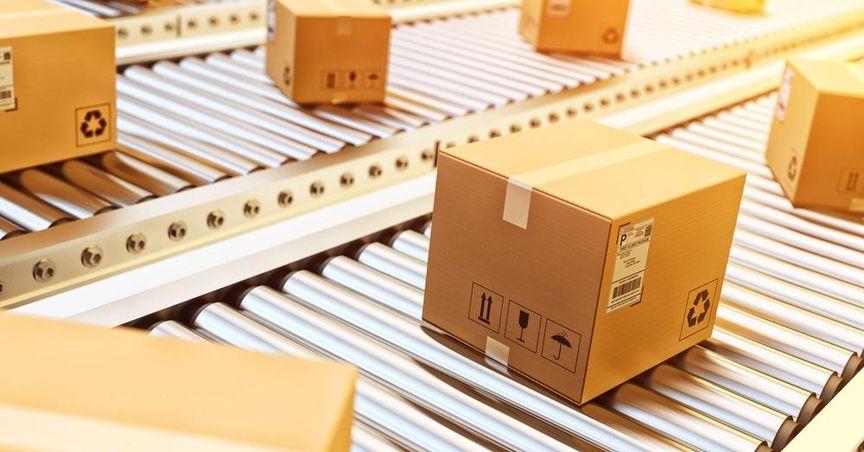




The global packaging industry is undergoing one of the most significant structural shifts in its modern history. Analysts project that the global cosmetic packaging market alone will surpass $40 billion by 2027, while the broader consumer goods packaging sector is being reshaped by three converging forces: premiumisation, sustainability mandates, and the explosive growth of e-commerce. For investors, brand strategists, and consumer goods executives tracking where value is being created in today's market, the answer increasingly points to one place — packaging.
This is not simply an aesthetic conversation. The brands that are allocating resources intelligently toward packaging design and engineering are generating measurable returns: higher conversion rates on shelf, reduced returns, stronger brand recall, and the kind of customer loyalty that is very difficult for competitors to replicate. The question for any brand in the 2026 market is no longer whether packaging matters — it is whether your packaging strategy is sophisticated enough to compete.
Beauty and Cosmetics: Where Packaging Drives Category Leadership
No sector illustrates this dynamic more clearly than beauty and cosmetics. The global beauty market is expected to reach $750 billion by 2025, and within that market, packaging has become a primary differentiator for brands at every price point. The shift is visible across skincare, makeup, and haircare, where the structural engineering of secondary packaging — folding cartons, inserts, finishing treatments — now functions as a direct signal of product quality and brand positioning.
Brands investing in technically engineered folding cartons for skincare and makeup are gaining a structural advantage that goes beyond aesthetics. The key variables — board caliper, insert geometry, finishing choices, and carton architecture — directly affect shelf performance, e-commerce survival rates, and the consumer's first physical encounter with the brand. A poorly engineered carton that allows a glass serum to rattle, a dropper neck to snap in transit, or a tube to fall out during handling creates a customer service problem at the exact moment the brand needs to make a strong first impression.
Conversely, brands that brief their packaging partners with precision — specifying auto-lock bottoms for heavier jars, dropper neck collars for fragile glass, grain-direction control for slim lipstick cartons — are building packaging systems that protect margin, reduce costly returns, and project exactly the quality signal the product's formula deserves. In competitive retail environments like Sephora, Ulta, or premium pharmacy shelves, this engineering discipline translates directly into category market share.
The Pet Care Sector: A High-Growth Packaging Opportunity That Many Brands Underestimate
While beauty commands most of the packaging industry's attention, the pet care segment represents one of the most compelling and underserved packaging opportunities in consumer goods today. The global pet care market is forecast to exceed $350 billion by 2027, driven by humanisation trends that have fundamentally changed how consumers shop for pet food, treats, supplements, and grooming products.
Pet owners — increasingly millennials and Gen Z consumers — are applying the same quality scrutiny to pet product packaging as they do to their own wellness purchases. Clean-label ingredients, sustainable materials, resealable formats, and clear dosing communication are no longer premium features in pet care; they are baseline expectations for brands competing in the premium and specialty channels.
A comprehensive packaging guide for pet brands in 2026 covering food, treats, supplements, and grooming reveals just how sophisticated this category has become. The structural and material requirements vary significantly across sub-categories: dry treat pouches demand resealability and barrier protection; liquid supplements require tamper evidence and dropper precision; grooming products prioritise pump ergonomics and shelf presence. Brands that apply category-specific packaging intelligence to each product line — rather than defaulting to generic, off-the-shelf containers — are capturing disproportionate market share as the channel expands.
For investors tracking the consumer staples and specialty retail space, the pet care packaging segment also offers defensible margin characteristics. Premium packaging correlates strongly with premium price positioning, and once a brand establishes its packaging identity in the pet space, switching costs for loyal consumers are considerable.
Sustainability: No Longer a Trend, Now a Market Access Requirement
Across all three major consumer packaging categories — beauty, pet care, and fragrance — sustainability has moved from a differentiating feature to a market access requirement. The EU Packaging and Packaging Waste Regulation, tightening US state-level mandates, and retailer sustainability scorecards are collectively creating a compliance floor that all brands must meet to access key distribution channels.
But the market intelligence here points to something more commercially interesting than compliance: brands that are leading on sustainability — not just meeting the floor — are generating measurable revenue premiums. Mono-material designs that simplify recycling, FSC-certified paperboard, refillable architecture, and molded pulp inserts replacing foam are all becoming active drivers of consumer purchase decisions, not just ESG checkboxes.
Fragrance: The Category Where Packaging Is the Product
In no consumer category is the overlap between packaging and product more complete than in prestige fragrance. The fragrance bottle is not secondary packaging in the traditional sense — it is the primary retail object, the gift that is kept on a dressing table for years, and the first and most enduring brand impression a customer forms.
The 2026 perfume packaging design trends shaping this category reflect broader market forces: the rise of unisex fragrance has dismantled old gendered design binaries and opened an entirely new design language built on architectural minimalism, warm neutral materials, and sustainable glass and aluminium. The premiumisation wave that was once confined to niche perfumery has now penetrated mainstream launches as brands recognise that bottle equity drives repurchase, gifting behaviour, and social media amplification at a cost-per-impression that traditional advertising cannot match.
The Strategic Takeaway for Brand Leaders and Investors
The common thread across beauty, pet care, and fragrance is clear: packaging is no longer a cost centre to be minimised — it is a strategic asset to be engineered and invested in with the same rigour applied to product formulation, marketing, and distribution. The brands generating the strongest returns in each of these categories in 2026 share a common discipline: they treat packaging as a business decision first, a design decision second, and a compliance exercise last.
For brand operators, the practical implication is to move packaging decisions upstream in the product development process, invest in structural and material expertise from the brief stage, and align packaging strategy with long-term brand positioning rather than quarterly budget pressures. For investors and market analysts, the brands that demonstrate this discipline are precisely the ones worth watching — because in a market defined by proliferation and noise, intelligent packaging is one of the most durable competitive advantages a consumer goods company can build.
The content has been authored in collaboration with our guest contributor, Emily Smith.
