
 AUS
AUS
 NZ
NZ
 UK
UK
 CA
CA
 USA
USA
 IND
IND


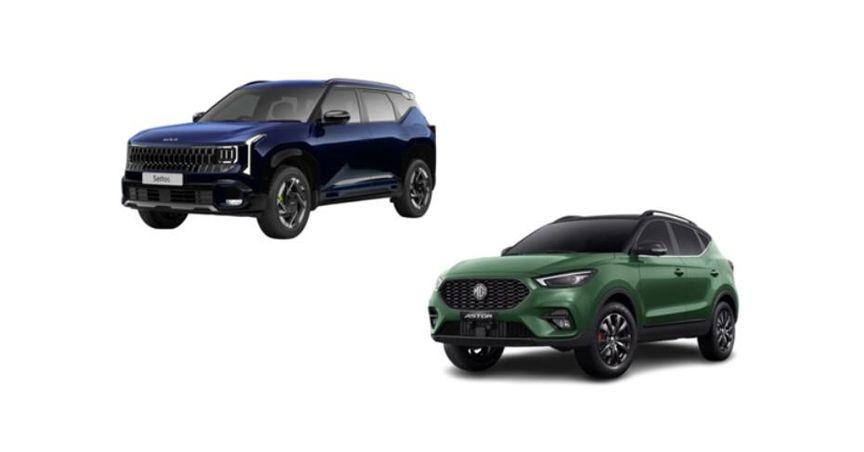




The SUV segment in India has undergone a fundamental transformation over the past decade. What was once a category defined by height, bulk, and ruggedness has evolved into a more nuanced space shaped by digital integration, safety expectations, and lifestyle alignment. The Kia Seltos and MG Astor provide insight into where modern SUVs are heading, reflecting broader shifts in design philosophy, technology integration, and buyer behaviour.
Rather than representing isolated models, they signal emerging trends within the mid-size SUV category.
The Rise of Integrated Digital Architecture
One of the clearest indicators of SUV evolution is the central role of digital displays and connected ecosystems.
The Kia Seltos integrates a Trinity panoramic display panel that unifies infotainment and driver instrumentation. This approach emphasises a seamless digital cockpit experience, positioning the SUV as an extension of connected urban lifestyles.
Similarly, the MG Astor incorporates a 25.7 cm HD touchscreen with a fully digital cluster, alongside its i-SMART 2.0 connected system offering over 80 features.
These implementations reveal that modern SUVs are increasingly designed around digital interaction as much as mechanical engineering.
Advanced Safety as a Baseline Expectation
Another defining trend is the normalisation of advanced safety systems.
The Seltos offers Level 2 ADAS capabilities, including Forward Collision Avoidance Assist and Lane Keeping Assist, along with six airbags as standard.
The MG Astor also integrates Level 2 ADAS features and emphasises its ultra-high tensile steel body structure.
The presence of such systems in mid-size SUVs signals that safety technology is no longer confined to premium vehicles. Buyers now expect preventive assistance, not just passive protection.
Design as Identity, Not Just Form
Modern SUVs are increasingly vehicles of expression rather than purely functional transport.
The Seltos adopts a bold digital tiger face grille and star map LED lighting signature, projecting a sporty and assertive identity.
The Astor’s celestial grille and full LED Hawkeye headlamps reflect a more refined and premium-oriented aesthetic.
Both designs suggest that SUVs are no longer simply tall vehicles with ground clearance. Instead, they function as visual statements aligned with personal identity.
Broader Engine and Transmission Flexibility
Modern SUVs must accommodate diverse usage patterns.
The Seltos offers multiple powertrain options, including naturally aspirated petrol, turbo petrol, and diesel engines, supporting varied performance and efficiency needs.
The Astor’s 1.5L VTi-TECH petrol engine focuses on refined, city-friendly performance.
The diversity of offerings indicates that modern SUVs are designed to address specific driving contexts rather than adopting a one-size-fits-all approach.
Cabin Experience and Comfort Refinement
Interior presentation has also become central to SUV evolution.
The Seltos integrates ventilated seats and a Bose premium sound system, combining comfort with digital immersion.
The Astor highlights premium leather themes and a panoramic sunroof, reinforcing a comfort-led narrative.
Modern SUVs increasingly balance technology with ambience, recognising that buyers value cabin experience as much as exterior styling.
Research-Driven Market Transparency
Another direction revealed by these models is the shift toward research-driven purchasing. Buyers are more informed and analytical than before.
On platforms such as ACKO Drive, where users can compare specifications, evaluate safety features, and buy cars online, SUVs like the Seltos and Astor are assessed in terms of holistic ownership value. This transparency pushes manufacturers to deliver genuine capability rather than relying on brand perception alone.
The modern SUV must withstand comparison across safety, technology, and practicality simultaneously.
The Broader Direction of the Segment
Taken together, the Kia Seltos and MG Astor highlight several broader trends shaping the future of SUVs:
- Digital integration as a central design element
- ADAS and active safety are becoming standard expectations
- Expressive styling serves as a differentiator
- Increased focus on cabin refinement
- Buyer-driven research influencing positioning strategies
These elements suggest that the SUV segment is moving toward integrated, experience-driven vehicles rather than purely capability-focused machines.
Conclusion
The Kia Seltos and MG Astor reveal that modern SUVs are evolving into digitally immersive, safety-focused, and design-conscious platforms. Rather than prioritising size or ruggedness alone, today’s SUVs blend technology, structural assurance, and lifestyle alignment.
As buyer expectations continue to mature, the future of SUV design will likely centre on seamless integration—where digital systems, safety frameworks, and aesthetic identity converge to create vehicles that feel both capable and contemporary.
The content has been authored in collaboration with our guest contributor, Yogesh Gupta.
