
 AUS
AUS
 NZ
NZ
 UK
UK
 CA
CA
 USA
USA
 IND
IND







For generations, rice cereal for babies has been considered a classic first food. Many parents still receive recommendations from family members or caregivers to start with rice cereal when introducing solids. However, today’s guidance blends tradition with updated research on nutrition, readiness, and safety. Understanding when and how rice cereal fits into your baby’s feeding journey helps you make confident, informed decisions.
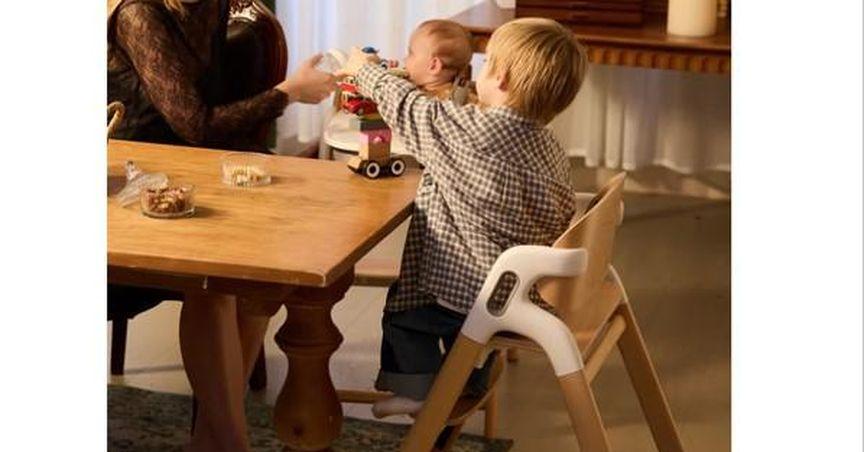
As babies begin sitting with support and showing interest in food, creating a safe and supportive feeding environment matters. Using a stable setup—such as well-designed high chairs—helps ensure proper posture, comfort, and safety as your baby transitions from liquids to spoon-feeding.
This comprehensive guide explores the role of rice cereal, how to serve it safely, current concerns, and alternative options so you can choose what works best for your baby.
The Traditional Role of Rice Cereal as a First Food
Rice cereal has long been recommended as an introductory solid food for infants, especially in Western cultures. Its popularity stems from a few key characteristics:
- Mild flavor that is unlikely to trigger rejection
- Smooth texture when mixed with breast milk or formula
- Easy digestibility for immature digestive systems
Historically, rice cereal was often introduced earlier than current guidelines suggest, sometimes as early as 3–4 months. The belief was that it could help babies sleep longer or feel fuller. While these ideas are now outdated, rice cereal’s simple composition still makes it a familiar starting point for many families.
Today, rice cereal is no longer considered the default first food, but rather one option among many.
Identifying the Right Age to Introduce Solid Textures
Age alone should not determine when to start solids. Most pediatric organizations recommend introducing solid foods around 6 months, when babies show clear signs of developmental readiness.
Signs your baby may be ready include:
- Sitting upright with minimal support
- Good head and neck control
- Loss of the tongue-thrust reflex (pushing food out with the tongue)
- Ability to bring objects to the mouth
- Showing interest in food when others are eating
Introducing rice cereal too early may increase choking risk and digestive discomfort. Until solids are well established, breast milk or formula should remain your baby’s primary source of nutrition.
Comparing Nutritional Benefits and Potential Iron Levels
One of the main reasons rice cereal has been promoted as a first food is its iron content. Iron is essential for brain development, especially after about six months when an infant’s natural iron stores begin to decline.
Nutritional considerations:
- Most commercial rice cereals are iron-fortified
- Iron helps prevent iron-deficiency anemia
- Rice cereal itself is low in protein, fat, and fiber
While fortified rice cereal can contribute iron, it should not be relied upon as the sole iron source. As your baby progresses, iron-rich foods such as pureed meats, lentils, beans, and iron-fortified alternatives become increasingly important.
How to Safely Mix and Serve Rice Cereal for the First Time
Proper preparation is essential to ensure safety and comfort when offering rice cereal.
Step-by-step guidance:
- Mix 1 tablespoon of rice cereal with 4–5 tablespoons of breast milk or formula
- Aim for a thin, soupy consistency at first
- Use a small spoon designed for infants
- Sit your baby upright in a supportive high chair
- Feed slowly and watch for cues
Never add rice cereal to a bottle, as this increases choking risk and does not help babies learn how to eat solids. Spoon-feeding encourages oral motor development and helps babies learn how to manage textures.
Understanding the Discussion Around Arsenic Levels in Rice
In recent years, concerns have been raised about inorganic arsenic levels in rice products. Rice tends to absorb more arsenic from soil and water than other grains.
What parents should know:
- Long-term, excessive exposure to arsenic can pose health risks
- Infants are more vulnerable due to their small size
- Regulatory agencies recommend limiting rice-based foods
This does not mean rice cereal must be avoided entirely, but it should not be the only or primary grain offered. Rotating grains reduces exposure and supports dietary diversity.
Alternatives to Rice Cereal for a Varied Infant Diet
Many parents now choose alternatives to rice cereal—or use them alongside it. These options provide similar textures while offering nutritional variety.
Popular alternatives include:
- Oatmeal cereal (iron-fortified, lower arsenic risk)
- Barley cereal
- Quinoa cereal
- Pureed lentils or beans
- Pureed meats (excellent iron source)
Offering a range of foods helps expose babies to different flavors and nutrients early on, which may support more flexible eating habits later.
Recognizing Signs of Food Readiness and Digestive Tolerance
Once solids are introduced, observing how your baby responds is essential.
Positive signs include:
- Leaning forward when food is offered
- Opening mouth for the spoon
- Swallowing food rather than pushing it out
- Remaining comfortable after feeding
Signs to slow down or pause include:
- Persistent gagging
- Refusal or distress
- Excessive gas, constipation, or diarrhea
Introduce one new food at a time and wait a few days before adding another. This makes it easier to identify sensitivities or intolerances.
Tips for Transitioning From Liquids to Spoon-Feeding
Transitioning to solids is a gradual process, not an overnight change. Early feeding experiences should focus on learning, not volume.
Helpful tips:
- Start with one small meal per day
- Feed when your baby is alert but not overly hungry
- Follow hunger and fullness cues
- Keep sessions short and positive
- Expect mess—it’s part of learning
As your baby becomes more skilled, textures can gradually thicken, and variety can increase. Sitting together during meals encourages social engagement and models positive eating behaviors.
Common Myths About Rice Cereal for Babies
Several misconceptions persist around rice cereal. Clearing them up helps parents make evidence-based decisions.
Myth: Rice cereal helps babies sleep longer
Fact: No solid food reliably improves infant sleep
Myth: Rice cereal is necessary as a first food
Fact: Babies can thrive starting with many different foods
Myth: Thicker cereal is better
Fact: Thin textures are safer and more appropriate initially
Understanding these myths helps reduce pressure and promotes responsive feeding.
Building a Balanced Approach to Early Feeding
Rice cereal can still play a role in a balanced infant diet when used thoughtfully. The key is moderation, variety, and readiness-based feeding.
Best practices include:
- Waiting until developmental readiness is clear
- Offering rice cereal as part of a rotation
- Pairing grains with iron-rich and nutrient-dense foods
- Maintaining milk or formula as the main nutrition source
Every baby is different, and flexibility is essential.
Conclusion
Rice cereal for babies remains a familiar and accessible option for introducing solids, but it is no longer the only—or necessarily the best—choice for every family. When offered at the right time, prepared safely, and balanced with a variety of foods, rice cereal can fit into a healthy feeding plan.
Modern infant feeding focuses less on rigid rules and more on responsiveness, readiness, and nutritional diversity. By observing your baby’s cues, offering a supportive feeding environment, and staying informed, you can confidently guide your baby through this exciting transition into solid foods—one spoonful at a time.
The content has been authored in collaboration with our guest contributor, Emily Smith.
