
 AUS
AUS
 NZ
NZ
 UK
UK
 CA
CA
 USA
USA
 IND
IND


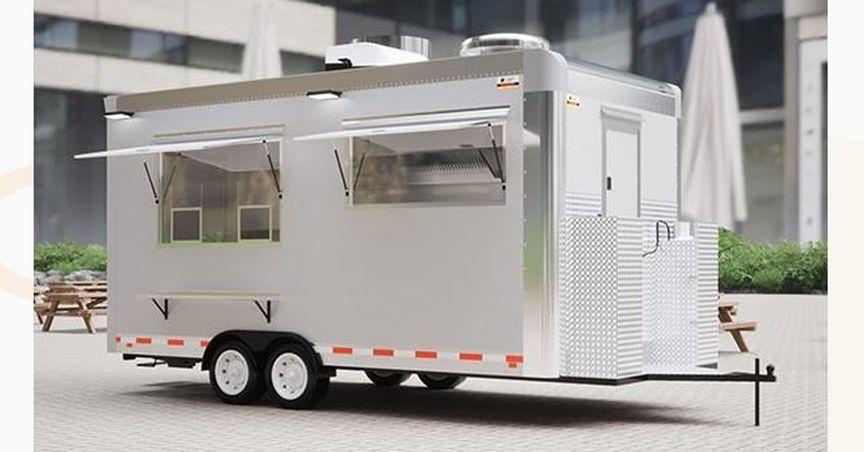





New York City is widely regarded as one of the most competitive and influential food markets in the world. Its dense population, constant flow of commuters and tourists, and deep-rooted food culture create enormous demand for convenient dining options. At the same time, high operating costs and strict regulations make it a challenging environment for new entrepreneurs.
In this context, food trailers have become an increasingly attractive alternative to traditional restaurants. They offer flexibility, lower fixed costs, and the ability to adapt quickly to changing market conditions. However, success in New York requires a clear understanding of urban logistics, compliance requirements, and operational efficiency.
Understanding NYC’s Mobile Food Landscape
Mobile food vending in NYC has evolved significantly over the past decade. From office-heavy districts in Manhattan to community-focused neighborhoods in Brooklyn and Queens, demand patterns vary widely. Food trailers allow operators to respond to these variations without being tied to a single location.
Many entrepreneurs exploring a food trailer for sale in New York are motivated by the opportunity to test concepts, refine menus, and reach diverse customer segments before committing to long-term investments. This flexibility is particularly valuable in a city where consumer preferences shift rapidly.
New York’s mobile food scene rewards operators who understand timing, location strategy, and customer flow. Morning office crowds, lunchtime peaks, evening events, and weekend markets all represent different operational opportunities.
Food Trailers vs Food Trucks in Dense Urban Environments
In densely populated cities like New York, food trailers often provide practical advantages over food trucks. Compact trailer designs are generally easier to position in limited urban spaces, especially in areas with strict parking and zoning rules. Separating the towing vehicle from the kitchen also improves logistical flexibility.
Food trailers allow operators to set up efficiently while keeping transportation costs lower. In addition, trailers can be customized more easily to meet space-efficient workflow requirements, which is essential in high-volume urban environments.
Space, Mobility, and Efficient Layout Design
Space efficiency is one of the most critical success factors for mobile food businesses in NYC. Commercial kitchens on wheels must balance productivity, safety, and compliance within a compact footprint. Poor layout decisions can slow service, increase staff fatigue, and create safety concerns.
Space-efficient kitchen layouts focus on minimizing movement while keeping all essential equipment within reach. Clear separation between prep, cooking, and service zones improves coordination and reduces errors during peak hours. In New York’s fast-paced environment, even small improvements in layout can have a significant impact on daily performance.
Mobility is equally important. Operators must be able to move quickly between permitted locations, events, and private bookings. Food trailers provide the adaptability needed to respond to fluctuating demand without major operational disruptions.
Permits, Health Inspections, and Compliance Requirements
Regulatory compliance is one of the most complex aspects of launching a food trailer business in New York. Food trailer permits involve multiple layers of approval, including city and state-level requirements. The health department approval process focuses on sanitation, equipment standards, and food handling practices.
Compliance is not a one-time task but an ongoing responsibility. Regular inspections, maintenance, and documentation are part of operating legally in NYC. Understanding food service compliance standards early helps prevent delays, fines, and forced shutdowns.
Designing a trailer with regulatory requirements in mind significantly reduces long-term risk. Operators who align layout, equipment, and workflow with inspection criteria experience smoother approvals and fewer operational interruptions.
Managing Costs in a High-Competition Market
Small business startup costs in New York can escalate quickly without careful planning. While food trailers are more affordable than brick-and-mortar restaurants, expenses such as permits, insurance, staffing, fuel, and maintenance must be factored into the overall budget.
Successful operators approach cost management strategically. Rather than expanding aggressively, they focus on optimizing operations, improving efficiency, and reinvesting profits gradually. This disciplined approach helps businesses remain competitive while maintaining financial stability.
Pricing strategies also play an important role. Balancing affordability with quality is essential in a market where customers have endless options.
Building a Sustainable Customer Base
Beyond logistics and compliance, long-term success depends on customer relationships. Consistency in food quality, service speed, and reliability builds trust and encourages repeat business. Food trailers benefit from visibility and direct customer interaction, which can strengthen brand recognition over time.
Social media, event participation, and strategic partnerships help mobile food businesses establish a loyal following. In a city as crowded as New York, differentiation through reliability and professionalism often matters more than novelty alone.
Scaling a Food Trailer Business in New York
Despite its challenges, New York offers strong potential for scalable growth. Food trailers can expand into catering, corporate events, and private functions, diversifying revenue streams. Mobility allows businesses to adapt quickly to new opportunities without major infrastructure changes.
Scaling successfully requires maintaining operational discipline while expanding reach. Operators who prioritize compliance, efficient design, and customer experience are better positioned to grow sustainably.
Final Thoughts on Operating Food Trailers in NYC
Launching a food trailer business in New York City is both demanding and rewarding. The city’s intensity requires preparation, adaptability, and a clear operational strategy. Food trailers provide a flexible platform for entrepreneurs willing to navigate regulatory complexity and competitive pressure.
With thoughtful planning, efficient layouts, and a strong focus on compliance, mobile food businesses can thrive in one of the world’s most dynamic food markets. For many entrepreneurs, food trailers represent not just a starting point, but a scalable long-term business model in New York City.
The content has been authored in collaboration with our guest contributor, Tomasz Rezik.
