
 AUS
AUS
 NZ
NZ
 UK
UK
 CA
CA
 USA
USA
 IND
IND


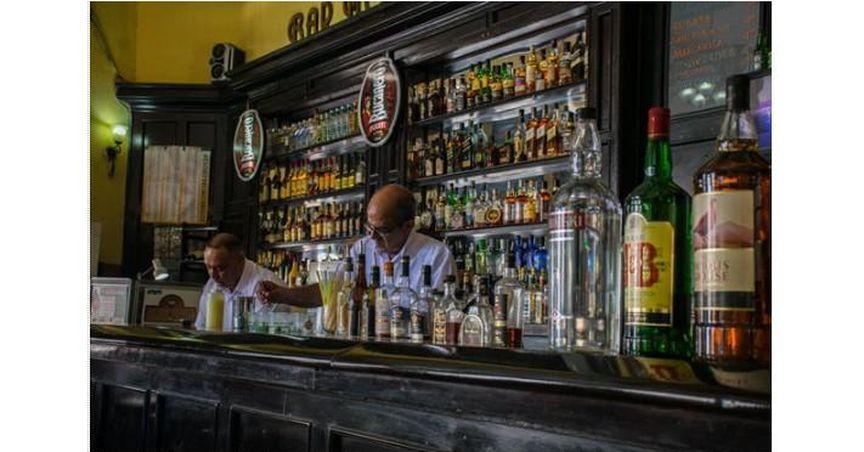





If you’re searching “Is the liquor industry dying in 2026?” because sales are wobbling and Gen Z supposedly “doesn’t drink,” it’s easy to assume the whole category is fading out. In 2026, broad alcohol volume is under pressure, but the products that fit modern routines are still growing.
Some buyers cut back because prices jumped and nights out got expensive. Others still spend, but only when the product feels premium, convenient, or aligned with wellness and identity. That’s where Gen Z drinking habits in 2026 start changing history: not by “quitting alcohol,” but by refusing to drink the way older generations did.
Gen Z Isn’t Simply Drinking Less—They’re Drinking Differently
Many people delay drinking, moderate more, or swap alcohol for other beverages on weeknights. At the same time, some drinkers ramp up in their early 20s, and the gap between “never” and “occasionally hard” is widening. If you’re trying to predict demand, you have to see that polarization.
Polarization Is The New Normal
You’re increasingly dealing with two Gen Z groups that behave nothing alike. One group avoids alcohol entirely or keeps it rare, motivated by health goals, anxiety, medication interactions, or simple disinterest. Another group drinks mainly for big moments—birthdays, festivals, vacations—and can binge more than the “generation sensible” stereotype suggests.
Cost And Control Shape The Occasion
When money is tight, you don’t pay bar prices just to stand in a loud room. You choose a house hang, a concert, or a “treat yourself” bottle that feels intentional. That pushes liquor brands to compete on convenience, pack size, and the ability to fit an at‑home ritual.
Identity Is Now Part Of The Purchase
Gen Z doesn’t just buy liquid—you buy the signal. Packaging that looks good on camera, brands that feel ethically consistent, and flavors that read as “curated” can matter as much as the base spirit. If a brand feels out of touch—or tries too hard—you notice immediately and move on.
Is The Liquor Industry Actually Shrinking
Early 2026 on‑premise tracking in Britain and Ireland shows spirits down around the mid‑single digits in January, and worse in parts of February. That doesn’t mean demand vanished—it means buyers are hesitating, trading down, or choosing different formats. Inflation and “value for money” thinking are hitting the middle tier hardest, where prices rose, but the experience didn’t.
The Slowdown Is Real, But It’s Uneven
You’re not looking at a single collapse—you’re looking at a redistribution. When you pull category reports from your bar’s liquor POS system, you can spot the shift from mid-tier shots to RTDs and premium pours in real time.
Traditional beer and wine have been soft, and spirits have been even choppy in early 2026, as tracked on‑premise data. Some niches still hold up when they match a clear occasion—celebrations, gifting, and convenient home entertaining.
Volume Matters Less Than Mix
The industry used to chase broad volume growth, but 2026 rewards a smarter mix. You’re more likely to pay for one “worth it” bottle than three forgettable ones. Profit increasingly comes from better margins, smaller packs, and products that justify their price with quality cues and brand trust.
Ready-To-Drink Keeps Pulling Attention
RTD cocktails aren’t a side show anymore—they’re one of the few places where growth still looks energetic. In the U.S., industry data cited in recent deal reports showed RTD sales up about 16% in 2025, while beer, wine, and spirits declined. When a canned drink tastes decent and fits a lower‑alcohol choice, it steals moments that used to belong to full-strength spirits.
The Rise Of No-And-Low Alcohol And Alcohol-Adjacent Drinks
Global trackers expect no‑alcohol analogues to keep growing through the end of the decade, and the range is widening fast. The point isn’t to copy liquor perfectly—it’s to let you participate socially without paying the tax of a hangover or lost productivity. Once you have good options, you use them.
No-Alcohol Analogues Are Scaling Fast
You’re no longer stuck with watery “near beer” or sugary mocktails. Zero‑proof spirits, alcohol‑free RTDs, and better non‑alcoholic beer and wine are now serious product lines, not novelty items. One leading tracker estimated that no‑alcohol analogues grew about 9% in 2025 and forecast roughly 36% volume growth from 2024 to 2029.
Functional Drinks Compete For The Same Moment
A big part of “drinking less” is that you still want a transition drink—something that marks the end of school, work, or training. Functional beverages, mood drinks, and other alcohol‑adjacent products compete for that same ritual slot, and one tracker estimated this adjacent segment grew about 11% in 2025.
Zero-Proof Has To Feel Premium, Not Punitive
People don’t want the “responsible option” to feel like a downgrade. If the alcohol‑free menu is priced fairly, tastes complex, and looks as intentional as the cocktail list, you’ll order it without apology. Brands that treat no-and-low as a craft category—rather than a side SKU—build loyalty faster.
Where Liquor Brands Win Or Lose In 2026
If you work in liquor, 2026 is a test of relevance and execution. The buyers who remain are choosier, and the people who cut back are still reachable if you respect their reasons. Pricing strategy matters more than slogans, because trust breaks when a bottle jumps in cost without feeling better.
Affordable Premium Is The Sweet Spot
You’re seeing “premiumization” evolve from luxury flex to practical indulgence. Mini formats, multi‑serve cans, and high‑quality but approachable bottles can feel like a smart choice instead of a splurge. Brands that nail this balance can grow even when overall category volume is flat.
Flavor And Format Innovation Have to Solve A Job
Random flavors don’t save a brand—useful innovation does. Lower‑ABV options, spritz‑friendly serves, and products designed for quick hosting can unlock new occasions. If the innovation helps you moderate, share, or simplify, it feels like a feature.
Transparency Builds The New Trust
Gen Z reads labels, searches brands, and notices inconsistencies. Clear ingredient messaging, credible sustainability claims, and honest sourcing stories can reduce friction in the purchase process. If you hide behind vague “heritage” talk while dodging specifics, you look dated.
A Plausible 2026 To 2030 Outcome: Consolidation, Not Extinction
The most likely future isn’t that liquor disappears—it’s that the industry becomes leaner and more polarized. Big players will keep buying growth areas, smaller brands will fight for distribution, and the middle will get squeezed. You’ll see more cross-category portfolios that mix spirits, RTDs, and alcohol‑free lines to catch different occasions.
If you’re expecting a return to easy volume growth, you’ll be disappointed—but if you’re ready for a portfolio era, you’ll recognize the opportunity.
Mergers And Acquisitions Will Accelerate
Deal activity and sale processes around well-known RTD brands show where attention is going: convenience-led formats can scale even when traditional categories stall. If you’re a smaller brand, the path forward may involve partnerships, licensing, or becoming an acquisition target.
Regulation And Health Messaging Will Keep Tightening
Public health pressure doesn’t need sweeping new laws to change behavior—it only needs new norms. More consumers are paying attention to alcohol’s health trade‑offs, and that increases demand for moderation‑friendly options. If rules tighten on marketing or labeling, brands that already communicate clearly will adapt faster.
The Metric That Matters Is Occasion Share
Don’t just watch total liters sold—watch what people choose for specific moments. If RTDs take more “pre‑party” time, if no‑alcohol takes more weeknights, and if premium spirits keep gifting and celebration, the industry is reorganizing—not disappearing. The brands that map themselves to occasions instead of demographics will feel less whiplash.
Conclusion
Gen Z is forcing the category to compete—against pricing fatigue, against wellness‑driven alternatives, and against convenience‑first formats that fit modern routines. That competition hurts lazy brands and rewards the ones that respect your time, your budget, and your desire for control.
If you want a clear read on what comes next, watch for three signals: whether no-and-low keeps earning permanent shelf space, whether RTDs keep pulling casual occasions away from spirits, and whether “affordable premium” becomes the default purchase. When those trends continue, history won’t record 2026 as the year liquor died.
The content has been authored in collaboration with our guest contributor, David Wade.
