
 AUS
AUS
 NZ
NZ
 UK
UK
 CA
CA
 USA
USA
 IND
IND


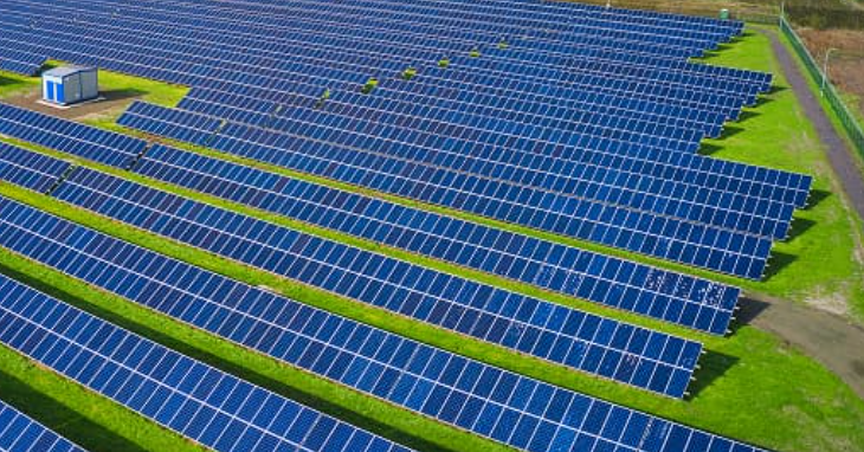





Green hydrogen, produced through water electrolysis powered by renewable energy, is emerging as a crucial clean fuel for India’s energy transition. It addresses carbon emissions in sectors where direct electrification is challenging, such as heavy industry and transportation. India’s renewable energy goals are ambitious, aiming to scale up to 500 GW of non-fossil power capacity by 2030, with solar power as the backbone. This drive positions solar energy as the dominant source fueling green hydrogen production, establishing a direct link between the growth of green hydrogen companies in India and advancements in solar technology and manufacturing.
Understanding the Link Between Green Hydrogen and Solar Power
Green hydrogen is generated by splitting water into hydrogen and oxygen using electrolysis powered exclusively by renewable sources, with solar energy being the preferred choice due to its abundance, cost-competitiveness, and scalability. Solar-powered electrolysis harnesses electricity from solar photovoltaic (PV) panels to run electrolyzers that split water efficiently, producing hydrogen without carbon emissions. Integrating solar panel manufacture with hydrogen production creates a streamlined ecosystem, improving supply chain reliability and reducing costs for green hydrogen companies in India.
The Role of Solar Energy in Green Hydrogen Production
Solar energy is the primary input in India’s green hydrogen generation, substituting fossil-fuel-based electricity and minimizing the carbon footprint in the hydrogen supply chain. The rapidly expanding solar capacity, 26.6 GW added in the first 9 months of 2025 alone, bringing cumulative installations to 125.5 GW, demonstrates the country’s strategic push to power hydrogen projects sustainably. Hybrid solar-hydrogen projects are advancing, such as pilot initiatives backed by government and industry leaders, underscoring the symbiotic relationship between solar power and green fuels.
Using Renewable Energy Economics for Competitive Hydrogen Production
The economic sector of renewable energy plays a pivotal role in determining the feasibility and scale of green hydrogen projects. Solar power, especially in renewable-rich Indian states like Gujarat, Maharashtra, and Rajasthan, has achieved remarkably low costs, with on-site solar electricity prices dropping as low as ₹2.1 per kWh. Projections indicate this cost could further decline to ₹1.5 per kWh by 2030 through technological advances and economies of scale. Such affordability strengthens green hydrogen’s competitiveness against conventional fossil fuels, unlocking new avenues for industrial decarbonization. Moreover, integrating solar and wind energy resources ensures a stable, reliable supply, addressing the intermittency challenges associated with renewables. This cost-effectiveness and energy stability are essential for scaling green hydrogen production, enabling projects to maintain financial viability while advancing India’s climate and energy security goals.
How Solar Panel Manufacturing Supports Green Hydrogen Growth
A strong local solar panel manufacturing industry is critical to meet the high energy demands of electrolysis for hydrogen production. Avaada exemplifies this through its ambitious construction of a 5 GW integrated solar manufacturing facility spanning over 50 acres in Ecotech-16, Greater Noida. This facility will produce advanced n-type TOPCon solar cells and modules with high industrial-scale efficiency, backed by international certifications such as BIS, IEC, and UL, ensuring compliance with the highest quality standards in the photovoltaic industry. India's growing capacity to create state-of-the-art, high-efficiency solar panels by manufacturers such as Avaada, Tata Power Solar, and Vikram Solar ensures the sustainable scaling of green hydrogen projects. Their collaboration with hydrogen producers strengthens the clean energy ecosystem and supports India’s self-reliance goals.
Must Read: Different Types of Solar Panels
Government Initiatives Driving Solar and Hydrogen Integration
India’s National Green Hydrogen Mission, launched in 2023, underscores the strategic priority given to green fuels, and the SIGHT (Strategic Interventions for Green Hydrogen Transition) programme has an outlay of ₹17,490 crore and provides financial incentives for green hydrogen production and domestic electrolyser manufacturing. Supported by Production Linked Incentive (PLI) schemes that enhance domestic solar manufacturing and renewable infrastructure development. Public-private partnerships are fostering integrated hydrogen hubs powered by solar energy, with states like Odisha setting ambitious targets to add 11 GW of green energy capacity by 2030 to support new hydrogen projects. These policies ensure financial stability and competitive pricing for projects undertaken by renewable energy companies such as Avaada.
Challenges in Solar-Powered Hydrogen Projects
Despite promising prospects, solar-powered hydrogen production faces high initial capital costs for solar installations and electrolyzers, substantial land and infrastructure requirements, and technical challenges in efficient hydrogen storage and transportation. Overcoming these will necessitate continued innovation in solar panel manufacture and energy storage solutions, supported by government policies and investor confidence.
Future Outlook: A Solar-Powered Hydrogen Ecosystem
India is poised to expand its hydrogen production capacity significantly over the next decade, supported by the ongoing surge in solar installations and backward-integrated solar manufacturing capabilities. This evolution could enable India to emerge as a global exporter of green hydrogen, combining cost-effective solar power infrastructure with cutting-edge manufacturing technology. Continuous advancements in solar panel efficiency and long-duration energy storage are critical to realizing this vision, placing renewable energy companies like Avaada at the forefront of powering a sustainable, low-carbon future.
Conclusion
The symbiotic relationship between green hydrogen companies in India and solar power is fundamental for sustainable growth. Strengthening solar panel manufacturing capabilities, as exemplified by Avaada’s integrated solutions and pioneering high-efficiency modules, accelerates the nation's clean energy mission. India’s leadership in this domain is not only pivotal for achieving climate goals but also positions the country as a clean-energy innovator on the global stage, driving a cleaner, more resilient energy future for generations to come.
The article has been provided and sponsored by Abdul Kadir.
