
 AUS
AUS
 NZ
NZ
 UK
UK
 CA
CA
 USA
USA
 IND
IND


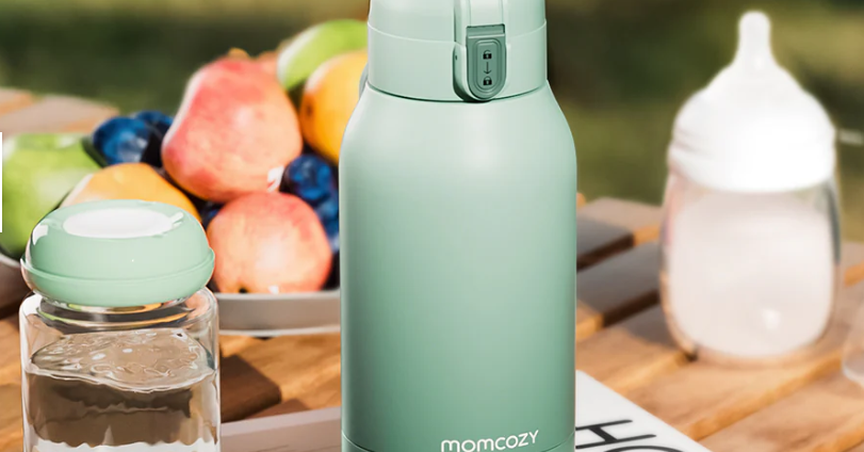





Can you take a portable bottle warmer on a plane? It is one of the initial questions that would arise when you are flying with a baby, particularly when you are having difficulties making your feeding smooth and stress-free at 30,000 feet. The positive side is that most of the airlines and TSA policies are friendly to parents, and yet, there are more regulations that should be known before you pack your equipment. These are some of the things you can be allowed to carry, what you can expect at the security checkpoint, and some of the tips that will make traveling with your small one much easier.
TSA Rules for Taking a Portable Bottle Warmer on a Plane
The Transportation Security Administration (TSA) is usually very accommodating in matters related to baby feeding equipment, and portable bottle warmers—including options like the Momcozy travel bottle warmer—fall into the category of permitted items. Nevertheless, one should be aware of the regulations in order not to be surprised during screening.
- Portable bottle warmers can be carried in carry-on baggage and also in the baggage.
- Battery-powered or rechargeable warmers with lithium batteries should only be packed in carry-on baggage- this is a TSA requirement of all lithium-powered devices.
- Electric warmers should undergo conventional electronics screening like laptops or tablets.
- You might be told to take the warmer out of your bag and have it inspected.
- You cannot carry hot water through security, and therefore, you are supposed to carry thermoses or insulated bottles without water and fill them after screening.
- Formula, breast milk, and baby water are permitted in amounts exceeding 3.4 ounces, although TSA can test them.
Safety and functionality of the device are the primary concerns of TSA. When your bottle warmer is in good condition and is keeping the rules mentioned above, then it should pass through the screening without any problems.
Types of Bottle Warmers Allowed on Flights
The majority of warmers can be carried on airplanes, though there are considerations for each type. Here’s what you can bring:
- Electric Portable Bottle Warmers – Can be carried in carry-ons and checked baggage. It should be screened as electronics.
- Rechargeable or Battery-Powered Bottle Warmers – Can be carried in the carry-on baggage because of lithium battery restrictions.
- USB-Powered Bottle Warmers – Warmers can be carried in carry-on and checked luggage; they might also have to be taken out during the security check.
- Flask-Style or Thermos-Based Warmers – Allowed, but must be passed security empty when containing hot water.
- Chemical/Heat Pack Bottle Warmers – Authorized, but chemical packs can be subjected to additional screening.
TSA allows all of these; however, lithium batteries in warmers should remain in your carry-on bag, and any hot liquids should be emptied prior to security.
How to Pack a Portable Bottle Warmer for Air Travel
Being a smart packer will save you time at TSA and eliminate delays. Here’s how to do it:
- Keep the warmer in a pocket of your carry-on bag that is easily accessible to you so that you can easily draw it out during screening.
- Keep accessories like cords, adapters and lids in the same place so that they are not lost.
- In case your warmer uses batteries, make sure it is charged to its full capacity in case TSA insists that it be turned on.
- Do not put any water in the warmer; TSA will take it out.
- An empty insulated bottle or thermos should be brought in case you need hot water.
- Keep milk or formula in small containers that are leak-proof and store separately in a small cooler bag or zippered pouch.
- All feeding gear must be kept in a waterproof bag in case of spills.
Properly packed bags will make your stay at the airport easier and will guarantee your warmth to stay safe and secure.
Tips for Using a Bottle Warmer on the Plane
It can be easy to warm a bottle when you are ready to do it once on board. Here are helpful in-flight tips:
- If your baby is expected to want a bottle shortly after takeoff, warm it before boarding.
- Request flight attendants to bring hot water, which most of them gladly do when it is safe.
- Use rechargeable or USB warmers, as planes can have a few outlets.
- Store bottles in insulated containers to keep them warmer.
- You should know how long your heating will take to warm, otherwise some are slower than they should be, otherwise you may get meltdowns when you have a hungry baby.
- Carry alternative methods of feeding your baby, such as ready-to-eat formula, in case of turbulence, such that you are not able to use your warmer.
Planning also assists you in eliminating such stressful situations where a hungry baby wants a bottle immediately.
Common Issues to Avoid When Flying With Baby Gear
Even with the best preparation, every parent knows things can go wrong during travel. Here are the most common bottle-warmer-related issues—and how to prevent them:
- Bringing hot water through security (it will be thrown out).
- Packing battery-powered warmers in checked bags (not permitted with lithium batteries).
- Using outlets of airplanes, which might not be available or might not be suitable to warm bottles.
- Carrying too much gear complicates accessing the required item in a short time.
- Failing to test your warmer in advance just to find that it warms too slowly in the air.
- Hanging cords or no adapters can hold you up at the security or render the warmer useless.
These traps can be avoided, and make your traveling day much easier.
Travel-Friendly Alternatives to a Portable Bottle Warmer
In case you want to make your travel arrangement less complicated or you do not want to carry additional equipment, the following options are effective:
- Ready-to-feed formula: Does not require heating, can be used in TSA, and is very convenient for travel.
- Pre-warmed bottles in insulated sleeves: Ideal on short flights.
- Room-temperature feeding: This has been successfully adapted by a number of babies through practice.
- Thermos + warm-water method: Warming bottles in a cup of hot water.
- Breastfeeding or pumping: In this case, warming is unnecessary.
These alternatives will help you carry less and be less dependent on warming devices.
Conclusion
Taking a baby on a trip does not imply that it will be hectic, and the fact that you can carry a portable bottle warmer on a plane makes feeding easier. Being aware of TSA regulations, choosing a certified warmer, and being a smart packer will make it easy to go through security without any trouble and get through in-flight meals without any inconvenience. The only thing that you need is the appropriate tools and preparation, as you are going to spend less time on logistics and have a more comfortable and calmer travel with your little one.
The article has been provided and sponsored by Muhammad Noman.
