
 AUS
AUS
 NZ
NZ
 UK
UK
 CA
CA
 USA
USA
 IND
IND





Highlights
- Climate change impacts the Atlantic of Canada that will face local sea-level rise and reduction of sea ice in the future
- Canada is warming and facing a climate change crisis due to various factors
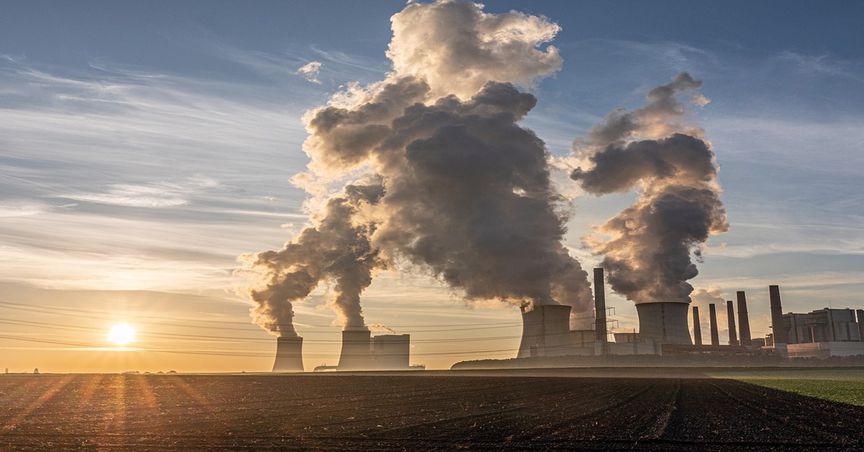
- The burning of fossil fuels emits the greenhouse gas carbon dioxide, which is one of the main causes of climate change
Canada is warming faster than the rest of the world and the federal government climate report in 2019 signaled that the climate change situation will intensify in the future. The Arctic of Canada is deeply affected by climate change and will warm more than twice than that of the world.
But the question is why the climate is changing in Canada and how is it affecting the country? In this article, we will learn the aspects that are responsible for climate change in Canada.
Climate change is a long-term change in weather conditions and temperature.
How will Climate change impact Canada?
Climate change will impact the Atlantic of Canada that will face local sea-level rise and reduction of sea ice. The soil erosion and flooding will put the coastal infrastructure, communities, and ecosystems of Canada at risk.
According to Canada's Changing Climate Report (2019), the oceans around Canada are becoming warmer, acidic, and less oxygenated. If greenhouse gases emissions continue to increase at a faster rate, then it will intensify the warming rate that will drastically affect the life of marine ecosystems.
Some Canadian regions are experiencing an increase in precipitation rate that is causing less snowfall and more rainfall. The intensification of extremely hot temperatures will bring drought and wildfire risks to Canada. All climate change risks, including wildfires, floods, extreme heat events, droughts, sea-level rise and ice melting will impact the life of Canadians.
Also read: What plans & actions is Canada taking to tackle climate change?
Canada will experience the following climate changes
- Temperature changes
- Changes in rainfall and snowfall
- Changes in climate extremes
- Changes in snow and ice
- Changes in freshwater availability
- Sea level change
- Ocean changes
Why is Canada warming?
Canada is reportedly warming and facing a climate change crisis due to various factors. It includes the melting of snow and sea ice which increases solar radiation absorption and warming a larger surface compared to other regions.
The government of Canada reported that the climate is majorly impacted by human activities as people are burning fossil fuels and converting forest land into agricultural land. Since the era of the industrial revolution, people have burned a lot of fossil fuel and changed forest land into farmland.
The burning of fossil fuels emits the greenhouse gas carbon dioxide, which is one of the main causes of climate change. The greenhouse effect by greenhouse gases affects the environment and makes the earth warm.
The emission of carbon dioxide by human activities determines how it will warm Canada and the world in the future. Carbon dioxide is a greenhouse gas that stays longer in the atmosphere and warms the earth’s temperature. Other than carbon dioxide, nitrous oxide stays longer in the atmosphere and that also causes climate change.
Small changes in the sun’s energy can affect climate change. But since the beginning of the industrial revolution, greenhouses gases have become more of a factor than the sun’s radiance.
Also read: How is Canada affected by climate change?
Natural and human causes
The natural factors that cause climate crisis include changes in solar activity, volcanic eruptions, sun’s energy, earth’s orbit and rotation, and movement of crustal plates. It is also caused by human activities that include fossil fuel burning, converting forest land into agricultural land, greenhouse gases such as carbon dioxide, nitrous oxide, methane, and fluorinated gases emissions, and increasing livestock farming.
Canada’s plan on climate change
Canada is planning to achieve net-zero greenhouse gas emissions by 2050. For developing emission reduction plans and achieving net-zero targets, the government of Canada will include a net-zero advisory body as well as indigenous peoples, and provincial and territorial governments.
The independent net-zero advisory will work towards reaching the net-zero target by 2050. The advisory body is liable to provide emissions reductions advice and will also be responsible to discover actions and plans for achieving this long-term target.
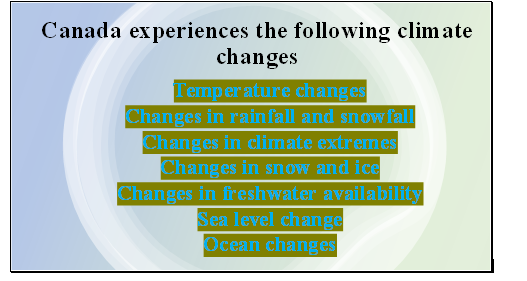
Image credit: © 2022 Kalkine Media®
Image description:
Also read: The impact of climate change- warming Winter Olympics?
Bottom line
The world is facing a climate crisis and biodiversity loss. It is threatening nature. The changes are evident in many countries where oceans are becoming acidic, and the temperature and sea level are increasing. So, it is required that we reduce emissions, use low and zero-emissions technologies, renewable resources, sustainable transportation, and focus on waste management and recycling.
