
 AUS
AUS
 NZ
NZ
 UK
UK
 CA
CA
 USA
USA
 IND
IND





Highlights
- Tungsten mining activity gained attention following commercial production progress at the Sangdong project.
- Sector valuation discussion intensified as market comparisons highlighted elevated asset multiples.
- Revenue expansion and operational development remained central themes within the mining sector.
S&P/TSX Composite Index discussion highlights Almonty Industries sector expansion, Sangdong tungsten production activity, mining valuation themes, industrial supply chains, and resource development trends.
S&P/TSX Composite Index reflected continued activity across the mining and critical minerals sector as companies advanced resource projects tied to industrial manufacturing and global supply chains. Almonty Industries operates within the metals and mining sector, with operations focused on tungsten production and resource development across international markets.
Commercial production at the Sangdong tungsten mine marked a significant operational milestone for the company. The transition from commissioning activity into commercial operations increased attention toward tungsten supply dynamics, resource processing capacity, and broader mining sector development tied to strategic industrial materials.
Tungsten Sector Activity Expands
The tungsten sector maintained relevance within industrial manufacturing due to the metal’s use in aerospace components, electronics, machining tools, automotive systems, and energy infrastructure. Tungsten remains valued for durability, heat resistance, and density, supporting demand across multiple industrial applications.
Almonty Industries (TSX:AII) continued expanding operational activity connected with the Sangdong mine project in South Korea. The project represented a major development within the tungsten mining sector because of its scale and processing capabilities.
Mining companies involved in critical minerals frequently encounter elevated infrastructure requirements during project development stages. Resource extraction operations require extensive processing systems, transportation access, engineering activity, and environmental compliance measures before reaching commercial production status.
Recent developments also reflected broader international interest in securing diversified mineral supply chains. Critical minerals, including tungsten, remained important within manufacturing and industrial production due to increasing demand from technology, defense, and transportation industries.
Sector attention intensified as mining operations moved from construction activity toward sustained production. Commercial operation milestones often signal the beginning of long-term extraction and processing activity after extended development phases.
Valuation Metrics Draw Market Attention
Discussion surrounding Almonty Industries (TSX:AII) also centered on valuation comparisons across the mining sector. Elevated price-to-book ratios attracted attention because the company traded at levels substantially above several industry averages.
Asset-based valuation methods within the mining sector often differ from cash-flow-oriented approaches because resource companies frequently operate through long development cycles before reaching steady production levels. During construction and commissioning phases, accounting values may not fully reflect expectations tied to mineral reserves or extraction capacity.
The contrast between current operating losses and anticipated production expansion remained a central theme within sector commentary. Mining projects entering commercial production can experience substantial operational shifts as processing volumes increase and infrastructure utilization improves.
At the midpoint of the article, S&P/TSX Composite Index activity highlighted broader interest in critical minerals producers connected with industrial supply chains and strategic resource development. Mining companies associated with tungsten and rare earth materials remained closely monitored due to changing global sourcing patterns.
The mining sector also experienced continued attention toward reserve quality, extraction efficiency, transportation access, and processing infrastructure. These operational factors frequently shape how resource companies are evaluated within capital markets.
Commercial Production Changes Operational Focus
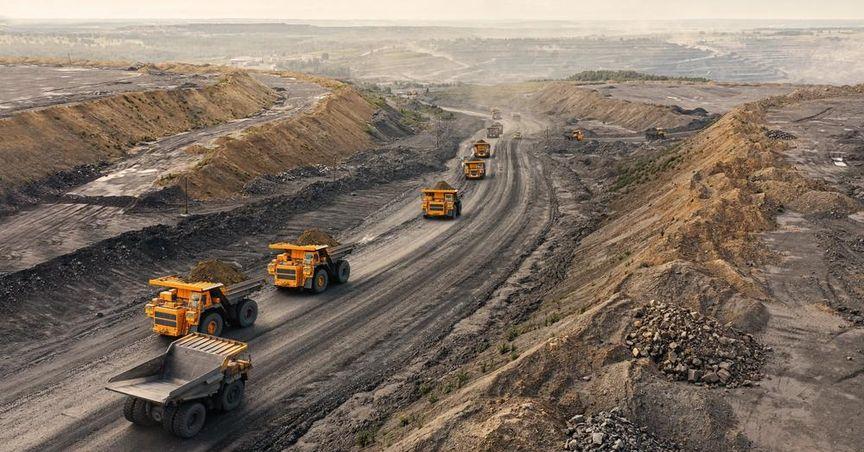
Commercial production at the Sangdong project altered the company’s operational profile from development-focused activity toward active mineral extraction and processing. This transition typically changes how mining firms allocate resources across infrastructure maintenance, workforce activity, logistics coordination, and mineral transportation.
Tungsten mining operations require specialized processing techniques because ore concentration and refinement involve technically demanding procedures. Processing facilities must maintain consistent operational efficiency to support stable production output.
Mining companies operating within the critical minerals sector also navigate fluctuating commodity demand tied to manufacturing conditions and industrial output. Tungsten demand often reflects broader trends within machinery production, aerospace activity, and industrial fabrication.
Operational developments within South Korea added geographic diversification to the company’s broader mining portfolio. Regional infrastructure access, transportation systems, and industrial connectivity remained relevant factors influencing production efficiency and export capability.
The mining sector additionally continued adapting to environmental standards and resource management frameworks tied to extraction activity. Resource development projects frequently involve long-term planning associated with land rehabilitation, processing emissions, and operational sustainability practices.
Mining Sector and Industrial Supply Chains
Critical minerals remained increasingly relevant across international manufacturing systems due to their role in advanced industrial production. Tungsten, in particular, maintained strategic importance because of its application in cutting tools, defense systems, electronics, and industrial machinery.
Mining companies connected with specialized mineral extraction frequently experience heightened market attention during production milestones. Commercial output often reshapes operational expectations surrounding extraction capacity and logistical performance.
The broader Canadian mining sector also remained associated with resource diversification and international mineral development. Companies operating within this segment commonly maintain projects across multiple jurisdictions tied to industrial metal production and export markets.
Market discussions surrounding valuation continued reflecting contrasting perspectives between current financial conditions and long-term production assumptions. Elevated asset multiples frequently emerge when resource projects transition into active production following extended construction periods.
