
 AUS
AUS
 NZ
NZ
 UK
UK
 CA
CA
 USA
USA
 IND
IND






Highlights
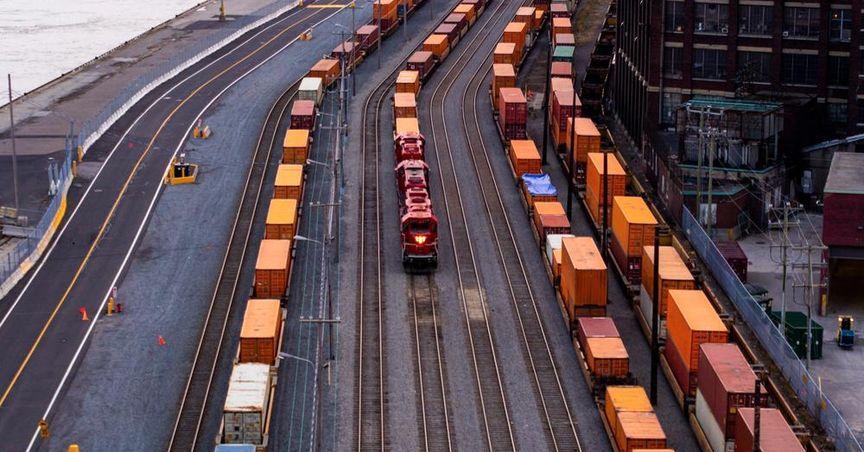
- North American rail sector activity continues shaping freight movement across major trade corridors.
- Canadian Pacific Kansas City maintains a broad railway network linking Canada, the United States, and Mexico.
- Rail transportation demand remains connected to industrial production, agriculture, and consumer distribution channels.
Canadian Pacific Kansas City continues shaping transportation sector freight movement while S&P/TSX 60 activity highlights rail infrastructure, cargo distribution, and continental trade connectivity trends today.
Canadian Pacific Kansas City operates within the transportation sector, with rail freight services forming a central part of continental supply chains. The railway network connects industrial centers, agricultural regions, ports, and manufacturing facilities across North America. Market attention surrounding the company has recently focused on freight activity, operational integration, and rail corridor expansion linked to cross border commerce. Discussion surrounding S&P/TSX 60 activity has also drawn attention toward large transportation companies with extensive infrastructure networks.
Rail Transportation Sector Conditions
Rail transportation remains closely tied to manufacturing activity, agricultural shipments, automotive distribution, energy products, and consumer goods movement. Freight rail companies support long distance cargo movement through interconnected terminals, rail yards, and logistics hubs. Economic activity across North America frequently shapes shipment volumes across major railway operators.
Canadian Pacific Kansas City (TSX:CP) maintains access to important trade corridors stretching across Canada, the United States, and Mexico. Railway operations include intermodal freight, grain transport, bulk commodities, automotive cargo, and industrial materials. Network connectivity across multiple regions has strengthened freight coordination among ports, warehouses, and inland distribution facilities.
Rail infrastructure projects across North America have remained a major area of sector activity. Terminal modernization, track maintenance, and locomotive upgrades continue shaping operational efficiency within the transportation sector. Freight rail demand has also remained linked to industrial production cycles and retail distribution activity.
Cross Border Freight Operations
Cross border rail traffic has become increasingly important within continental logistics systems. Manufacturing supply chains frequently depend upon efficient transportation links connecting industrial centers throughout North America. Railway companies play a major role in supporting cargo movement between production facilities and export terminals.
Canadian Pacific Kansas City gained additional attention following network integration across multiple national rail corridors. Expanded rail connectivity created direct transportation links between Canadian resource regions, American industrial zones, and Mexican manufacturing hubs. Freight movement across agricultural, automotive, and consumer categories remains closely associated with broader economic conditions throughout North America.
Trade corridor activity has also influenced rail transportation demand within the sector. Agricultural exports, industrial machinery shipments, and automotive cargo movement continue contributing to freight volumes handled through continental rail systems. Railway operators frequently coordinate with trucking companies, ports, and warehouse facilities to support broader logistics networks.
Operational Developments Across the Sector
Rail companies across North America continue focusing on operational coordination and infrastructure management. Track expansion projects, terminal development, and locomotive modernization remain common themes throughout the transportation sector. Freight scheduling systems and cargo routing processes also shape railway performance across large networks.
Discussion connected with S&P/TSX 60 activity has highlighted transportation companies involved in large scale freight infrastructure. Railway operations frequently require extensive maintenance planning, equipment coordination, and route management across long distance cargo corridors. Seasonal shipping patterns also influence freight activity linked to agriculture, energy products, and consumer distribution.
Weather conditions, industrial activity, and commodity demand patterns frequently affect rail cargo movement across North American regions. Rail transportation networks remain essential for bulk freight movement due to long haul efficiency and broad geographic reach. Freight rail companies continue supporting manufacturing supply chains alongside agricultural and industrial transportation needs.
Freight Demand and Industrial Activity
Industrial production patterns continue influencing railway shipment volumes across multiple cargo categories. Agricultural products, energy materials, consumer goods, and automotive shipments remain important freight segments throughout the transportation sector. Cargo movement through ports and inland terminals also contributes to railway network activity.
Transportation sector developments frequently reflect broader trade conditions across North America. Railway companies continue supporting cargo movement between factories, distribution centers, and export facilities through interconnected freight systems. Rail transportation remains a significant component within continental logistics operations due to large scale freight handling capacity.
Network coordination and route efficiency continue shaping railway operations throughout major freight corridors. Intermodal transportation activity has also expanded connections between rail systems, trucking operations, and shipping terminals. Cargo routing flexibility remains important for freight movement across industrial and consumer distribution channels.
Infrastructure and Network Reach
Large railway systems require continuous infrastructure management across tracks, terminals, bridges, and freight yards. Rail corridor maintenance remains essential for cargo movement reliability across extensive transportation networks. Freight rail companies also continue adapting operational processes to changing shipment patterns throughout North America.
Canadian Pacific Kansas City (TSX:CP) remains associated with broad railway connectivity linking resource regions, manufacturing centers, and international trade corridors. Railway operations across multiple regions continue supporting cargo transportation within agriculture, energy, industrial materials, and consumer distribution sectors.
