
 AUS
AUS
 NZ
NZ
 UK
UK
 CA
CA
 USA
USA
 IND
IND






Highlights
- Canadian upstream energy company focused on oil and natural gas development.
- Operational activity concentrated in Western Canadian sedimentary basins.
- Production expansion and corporate updates shaping market attention.
Energy exploration and production companies represent a key segment of Canadian capital markets. Tamarack Valley Energy operates within this upstream petroleum industry, concentrating on crude oil and natural gas extraction across Western Canada. Participation within broader market benchmarks such as the S&P TSX Index reflects the role of energy producers within Canada’s public market environment. Corporate developments involving operational output, corporate updates, and capital allocation programs often draw attention from participants observing the Canadian petroleum sector.
Western Canadian Petroleum Operations
Petroleum extraction across Western Canada occurs within large sedimentary basins that contain hydrocarbon reservoirs formed through geological processes spanning millions of years. Tamarack Valley Energy (TSX:TVE) maintains operational activity across these regions through drilling programs and field development initiatives. These basins include formations characterized by shale, sandstone, and carbonate rock layers capable of storing oil and natural gas.
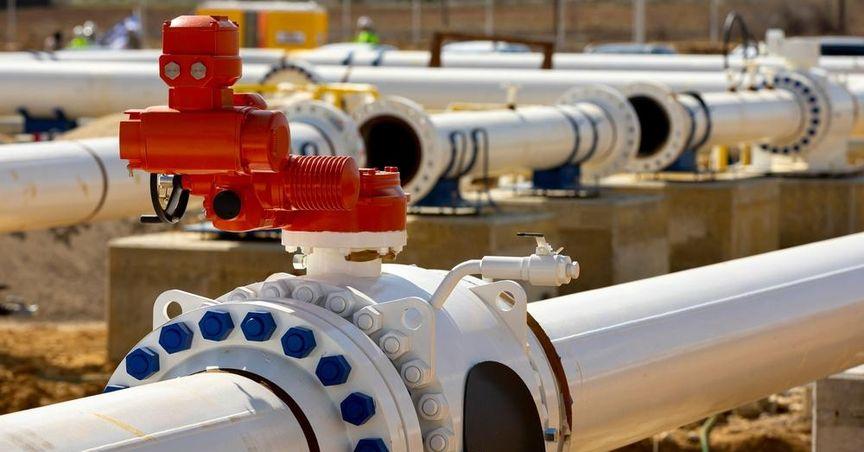
Production activity generally involves drilling horizontal wells that access hydrocarbon-bearing formations beneath the surface. Hydraulic fracturing and multi-well pad drilling systems allow operators to extract resources from tight rock formations where hydrocarbons remain trapped. Infrastructure supporting extraction includes pipelines, gathering systems, storage facilities, and processing equipment that prepare hydrocarbons for transportation.
Operational activity across Western Canadian basins also includes geological evaluation programs, seismic imaging, and reservoir management systems. These processes assist engineering teams in maintaining consistent extraction operations and managing field performance over time.
Corporate Updates and Operational Developments
Recent corporate communication from Tamarack Valley Energy (TSX:TVE) outlined several operational and financial developments related to the preceding operational cycle. Information released through company updates referenced expanded production activity alongside operational adjustments and guidance relating to expected output levels during the current operational period.
In addition to production information, corporate updates described shareholder distribution programs and capital management initiatives. Such programs form part of broader corporate strategies used by energy companies operating in mature resource basins. These initiatives often coexist with drilling programs and operational planning aimed at sustaining extraction from established reservoirs.
Corporate communications also referenced changes in operational expenditures and development approaches within certain asset areas. Pad drilling systems, improved drilling techniques, and asset optimization activities were mentioned in connection with operational efficiency improvements across field operations.
Energy Sector Position within Canadian Markets
Energy producers represent a longstanding component of Canadian equity markets due to the country’s extensive hydrocarbon reserves. Publicly listed petroleum companies frequently maintain extraction operations in regions such as Alberta, Saskatchewan, and British Columbia. Many of these companies appear within broader market benchmarks commonly referred to as the s&p tsx composite, which tracks a large group of publicly listed Canadian corporations across numerous sectors.
Within this market environment, upstream energy companies contribute to resource production activity tied to domestic and international energy demand. Market observers often track production volumes, operational efficiency, and field development programs when reviewing activity within the Canadian oil and gas sector.
Energy infrastructure associated with these companies includes pipelines, processing plants, storage facilities, and export terminals. These facilities form an integrated network that transports hydrocarbons from extraction sites to refining centers and export routes connecting Canada with global energy markets.
Production Activity and Field Development
Field development programs within Western Canadian basins require coordination across geological, engineering, and operational disciplines. Production wells drilled into shale or conventional reservoirs enable hydrocarbon extraction through a network of surface and subsurface equipment.
Tamarack Valley Energy (TSX:TVE) conducts field development programs using multi-well drilling pads that allow several wells to be drilled from a single surface location. This approach reduces surface disturbance and enables more efficient access to underground reservoirs.
Hydraulic fracturing technology forms an important component of extraction activity within tight rock formations. The process involves injecting fluid mixtures into wells at high pressure to create fractures in rock layers, allowing hydrocarbons to flow into the wellbore and reach surface production equipment.
Once extracted, crude oil and natural gas pass through separation facilities where water and other materials are removed before transportation through pipelines or storage systems. Field operations also include ongoing monitoring of well performance, reservoir pressure levels, and infrastructure integrity.
Operational Efficiency and Asset Management
Operational efficiency plays a central role in petroleum field management. Energy companies operating within Western Canadian basins frequently introduce drilling innovations, equipment upgrades, and logistical improvements designed to streamline extraction activity.
Pad drilling methods allow multiple wells to be drilled in sequence without relocating drilling rigs between sites. This approach can reduce operational complexity and shorten drilling timelines while maintaining access to large portions of underground reservoirs.
Asset management also involves reviewing field performance across various operational areas. Certain assets may receive increased development activity based on geological characteristics, reservoir quality, and infrastructure availability. This process often results in the prioritization of specific drilling locations within a company’s broader asset portfolio.
Infrastructure improvements such as enhanced pipeline connections or upgraded processing equipment may accompany field development programs. These systems support transportation of hydrocarbons from well sites to regional gathering networks and refining facilities.
