
 AUS
AUS
 NZ
NZ
 UK
UK
 CA
CA
 USA
USA
 IND
IND





Highlights
- Suncor Energy surpasses daily moving average.
- Company financial ratios indicate operational stability and leverage.
- Several analysts have recently updated valuations and ratings.
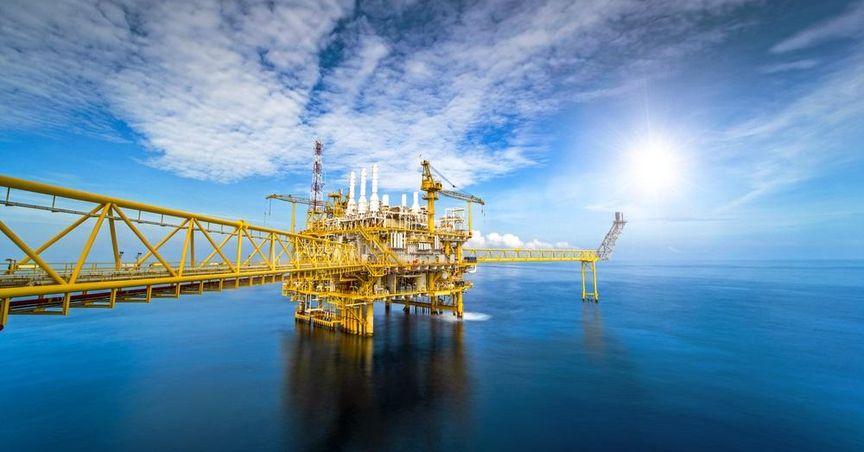
Suncor Energy (TSX:SU) operates in the integrated energy sector, focusing on oil sands development, offshore exploration, petroleum refining, and retail distribution. Its operations span both Canada and the United States.
The company is also engaged in renewable fuels and hydrogen, signaling an involvement in the transition toward lower-emission energy solutions. has a presence across the TSX Composite Index and is listed within TSX 60 indices, emphasizing its role in Canada’s broader energy and industrial markets.
How Has Suncor Stock Reacted Recently
The stock of Suncor Energy (TSX:SU) has recently risen above the daily moving average, reflecting current market activity. The fifty-day moving average of the stock is higher than the two-hundred-day average, indicating recent positive price momentum. Trading activity shows consistent attention, aligning with broader movements in the S&P 500 TSX Composite Index. Recent fluctuations illustrate both short-term and medium-term market dynamics in the energy sector.
What Are Recent Analyst Valuations And Updates
Several firms have released updated evaluations. Gerdes Energy Research revised their previous valuation downward slightly, whereas Wells Fargo and Company increased its assessment while assigning a higher market weight to the stock. Raymond James Financial, Desjardins, and ATB Capital all raised their assessments with respective ratings, reflecting varied perspectives on Suncor Energy’s operational and financial performance. Overall, data indicates a consensus of moderate optimism around, demonstrating the company’s visibility among professional market participants and its relevance in Canadian energy indices.
What Are Suncor Energy’s Key Financial Metrics Currently
Suncor Energy (TSX:SU) presents several notable financial ratios. Its debt-to-equity ratio reflects moderate leverage, while current and quick ratios indicate the company’s liquidity position. Market capitalization places among the larger energy firms on the TSX Composite Index. The price-to-earnings and price-to-earnings-growth ratios show a valuation structure consistent with established energy companies. Beta indicates moderate market volatility relative to major indices like the S&P TSX Composite Index. These metrics collectively describe the financial foundation supporting the operations.
How Have Insider Transactions Impacted Stock Activity
Recent transactions by company directors and executives highlight active participation in equity. A director increased their position significantly, demonstrating confidence in Suncor Energy’s long-term operations. Conversely, other executives reduced their stakes, reflecting portfolio adjustments rather than overall market sentiment. Insider activity, while limited in ownership percentage, is noted by market watchers to monitor stock flows. These transactions are indicative of operational alignment with corporate strategies and provide insight into internal confidence levels for shares.
How Does Suncor Engage With Renewable Energy Initiatives
Suncor Energy has expanded its operations into renewable fuels, hydrogen, and power development. This aligns with broader sector trends emphasizing lower-carbon solutions. The company continues to operate traditional oil sands and offshore projects while incrementally increasing in sustainable energy. Market participation in indices such as S&P Composite Index reflects attention to both traditional and emerging energy segments. energy transition activities demonstrate the company’s diversification beyond conventional hydrocarbons.
How Has Trading Volume Changed Recently For Suncor
Trading activity for Suncor Energy (TSX:SU) has shown modest increases recently. Price movements above the moving average correspond with increased attention in the market. Activity aligns with broader trends within the S&P TSX Composite Index, reflecting interest in stable energy sector equities. Volume fluctuations provide insight into market sentiment and liquidity conditions.
How Do Market Capitalization And Liquidity Compare
Suncor Energy maintains substantial market capitalization relative to other Canadian energy companies. The company’s liquidity ratios indicate operational efficiency and the capacity to manage short-term obligations. Price movement in relation to S&P TSX Composite Index averages provides perspective on comparative performance. Liquidity and capitalization metrics position as a leading player in the sector, facilitating participation in both domestic and international energy markets.
How Are Moving Averages Interpreted
The daily, fifty-day, and two-hundred-day moving averages serve as technical benchmarks for Suncor Energy. Current pricing surpasses these averages, indicating recent upward trends. Moving averages are commonly used to observe market momentum and identify shifts in trading patterns. placement relative to these averages provides insight into near-term price behavior within the TSX 60.
What Are The Current Valuation Indicators For Suncor
Valuation metrics for Suncor Energy (TSX:SU) include price-to-earnings and price-to-earnings-growth ratios. These measures reflect the company’s earnings performance relative to market pricing. Moderate beta indicates that experiences less volatility than broader indices such as the S&P TSX Composite Index. Valuation indicators support comparisons across energy companies and market indices, allowing objective assessment of corporate financial health.
How Do Analysts Differ In Their Recent Assessments
Recent evaluations of Suncor Energy highlight differing perspectives among firms. Some institutions revised valuations upward, while others decreased figures slightly. Ratings range from classifications to market perform observations, reflecting varied opinions on operations and market positioning. status in the S&P TSX Composite Index indicates visibility among market participants and relevance for both energy-focused and diversified index tracking portfolios.
How Does Debt-To-Equity Reflect Corporate Structure
Suncor Energy (TSX:SU) maintains a debt-to-equity ratio indicating moderate leverage. This ratio shows the balance between external financing and shareholder equity supporting operations. Comparisons with other companies in the TSX 60 provide context for financial strategy. Financial structure reflects operational stability while maintaining flexibility for ongoing energy projects and renewable initiatives.
What Impact Do Liquidity Ratios Have On TSX Performance
Current and quick ratios measure Suncor Energy ability to meet obligations promptly. These metrics indicate operational efficiency and resilience. Compared with broader S&P Composite Index trends, demonstrates effective resource management, supporting both ongoing oil sands projects and emerging renewable operations. Liquidity ratios are critical indicators for evaluating the company’s financial stability and capacity to manage market fluctuations.
How Are Insiders’ Activity Reflective Of Stock Trends
Recent transactions by company directors and executives indicate measured adjustments to Suncor Energy (TSX:SU) positions. While one director increased shares, others reduced ownership, showing portfolio reallocation rather than sector-wide sentiment. Insider activity, though limited in total ownership, provides insight into alignment with corporate strategy. is affected by these changes within broader trading trends in indices like S&P TSX Composite Index.
How Is Suncor Positioned In The Energy Transition
Suncor Energy continues development in renewable fuels, hydrogen, and power, complementing traditional oil and offshore operations. These initiatives reflect industry-wide shifts toward sustainable energy solutions. Market visibility in S&P TSX Composite Index and related indices highlights dual focus on conventional and low-emission energy sources. The company’s diversified approach illustrates strategic adaptation within the integrated energy sector.
How Do Trading Patterns Compare To Broader Indices
Trading volume and price behavior correlate with movements in the S and P TSX Index. Upward trends above moving averages reflect attention from market participants. These patterns provide information on momentum and activity within the energy sector, complementing performance comparisons with larger indices.
How Does Beta Reflect Suncor Stock Volatility
Beta for Suncor Energy indicates moderate variability compared to major indices. This measure shows experiences less price fluctuation than broader markets such as S&P Composite Index. Observing beta alongside moving averages and liquidity ratios provides a multi-faceted view of market performance and operational stability.
How Does Market Cap Influence TSX Energy
Market capitalization positions Suncor Energy (TSX:SU) among leading Canadian energy companies. It ensures inclusion in indices such as TSX 60 and enhances visibility in broader market indices. High market cap reflects scale, capacity for operations, and relevance in tracking benchmarks like S and P TSX Index. size supports ongoing expansion into conventional and renewable energy sectors.
