
 AUS
AUS
 NZ
NZ
 UK
UK
 CA
CA
 USA
USA
 IND
IND







Highlights
- Syrah Resources faces significant operational disruptions at Balama Graphite due to post-election violence.
- Shares of Syrah drop as much as 32.1% following the announcement of the force majeure.
- The unrest impacts production, inventory, and sales, leading to defaults on U.S. loans.
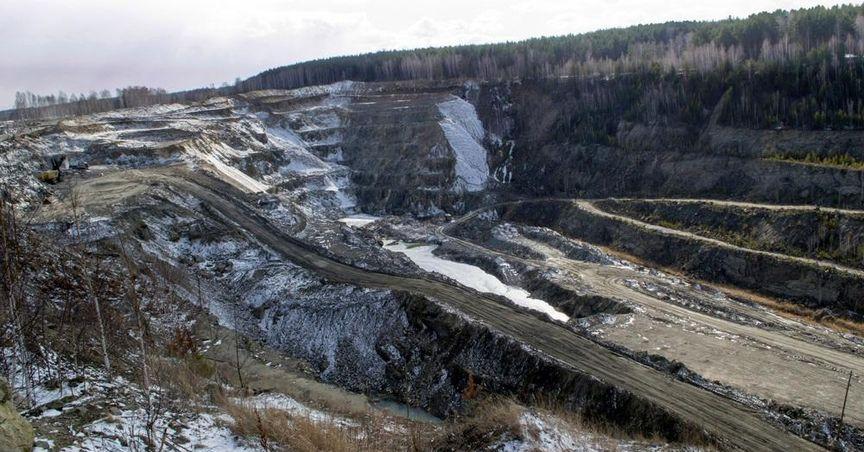
Syrah Resources (ASX:SYR), a key player in the global graphite market, has declared a force majeure event at its Balama Graphite Operation in Mozambique due to escalating civil unrest following contested election results. The unrest, which has sparked widespread protests and violence in the region, has led to significant operational disruptions, halting the production of graphite at the site for the December quarter.
The ongoing civil unrest in Mozambique stems from disputed election results announced in October, which have resulted in violent protests from opposition supporters. These protests have caused severe disruptions in transportation, movement of supplies, and access to the Balama site, all of which have impacted Syrah’s ability to maintain operations at the graphite mine. As a result, the company was unable to produce the necessary graphite to meet its production targets, which are crucial for filling out product inventory and securing future sales.
The production stoppage has placed considerable strain on Syrah Resources, especially since the Balama operation is vital to fulfilling its supply deal with Tesla (TSLA.O), one of its key customers. The inability to meet production demands has also led to a sharp decline in the company’s stock price. Shares of Syrah plummeted as much as 32.1% in early trading, reaching a low of A$0.18, their lowest level since March 2020.
Furthermore, Syrah Resources announced that the disruptions from the protests had resulted in defaults on loans with the U.S. International Development Finance Corporation (DFC) and the U.S. Department of Energy (DOE). The company is currently engaged in discussions with both organizations regarding these defaults, though the timeline for resolution remains unclear.
Syrah’s ability to recover from this setback will depend largely on the resolution of the political unrest in Mozambique. The company’s leadership has indicated that it is closely monitoring the situation and is taking steps to mitigate the impact of the ongoing crisis. However, with no immediate end in sight for the protests, the company's operations at Balama are expected to remain uncertain for the foreseeable future.
This development highlights the potential risks that companies like Syrah Resources face when operating in regions with political instability. While Syrah has strategic importance in the supply chain for electric vehicle batteries, particularly with Tesla, the situation in Mozambique underscores the broader challenges that the mining sector faces in volatile political environments.
