
 AUS
AUS
 NZ
NZ
 UK
UK
 CA
CA
 USA
USA
 IND
IND






Highlights
- Liquefied natural gas project ramp-ups gave ASX energy shares an anchor as crude eased.
- Asian demand for long-term supply kept the sector's structural story firmly in place.
- Diplomatic optimism cooled the oil price but did little to dent the gas growth pipeline.
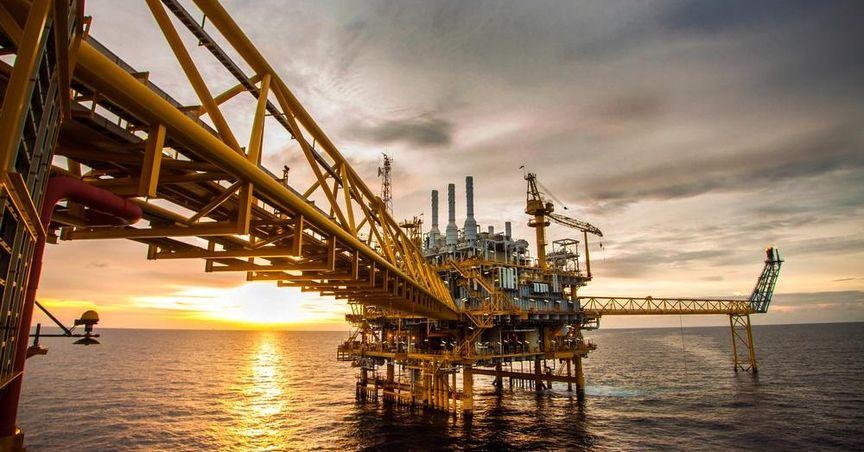
Liquefied natural gas project ramp-ups gave ASX energy shares a steadying anchor this week even as crude prices eased on optimism around Middle East peace talks. Woodside Energy (ASX:WDS), the country's largest LNG producer, kept its flagship developments moving toward first cargoes, a reminder that the sector's growth pipeline runs on longer cycles than the day-to-day swings in the oil price.
Gas Cycles Run Longer Than Crude
The crude price can turn on a single diplomatic headline, but the liquefied natural gas story moves to a slower rhythm. Long-term supply contracts and multi-year construction timelines mean the gas franchise is far less hostage to any one geopolitical event. That structural steadiness is part of why the sector's pullbacks have tended to find support, since the market recognises that gas cash flows are anchored well beyond the current session.
This week illustrated the point. Crude eased as peace-talk optimism drained the risk premium, yet the developments feeding future LNG cargoes carried on regardless. For producers building toward first shipments, the milestone that matters is commissioning, not the week's oil print, and that distinction gave the gas-heavy names a firmer footing than their oil-leveraged peers.
Flagship Developments Near First Cargoes
Australia's largest producers have been steadily advancing marquee gas projects toward completion, with flagship developments now well progressed and first cargoes on the horizon. Each construction milestone reached brings fresh volumes closer, and the market tends to reward that visible progress because it converts a promise into an imminent revenue stream. Commissioning a major project is a step change that reshapes a producer's output profile for years.
The scale of these developments is what makes them strategic. They are not incremental additions but foundation assets that anchor export commitments and underpin long-dated contracts. As they move from construction to production, the associated spending eases and cash generation improves, a transition the market watches closely for the better-run names in the sector.
Asian Demand Provides the Backbone
The durability of the gas story rests on Asian demand. Buyers across the region continue to line up long-term supply, valuing reliable Australian cargoes as part of their energy security. That steady appetite gives producers confidence to commit capital to large developments, because the offtake is anchored well before the first shipment leaves port.
Oil-Leveraged Names Feel More Heat
Karoon Energy (ASX:KAR), a pure oil producer with assets offshore Brazil and in the Gulf of Mexico, sits at the other end of the spectrum, tracking crude closely because its revenue rests on a single commodity. When the oil price eases, that concentration shows, and the shares tend to reflect the softer backdrop more directly than a diversified gas exporter would.
Balancing Growth and Spending
Santos (ASX:STO), a major producer ramping both gas and oil projects, embodies the balance many in the sector are striking. Bringing large developments online lifts future volumes, but it also carries heavy near-term spending that weighs on cash until the output arrives. The market rewards producers that manage that transition cleanly, funding growth without straining the balance sheet.
Mid-Tier Producers in the Mix
Beach Energy (ASX:BPT), a mid-tier producer with onshore and offshore assets, blends gas supply with oil exposure and therefore sits between the two extremes. Its gas volumes lend some ballast, while its oil interests add leverage to the crude cycle, giving it a hybrid profile that can move in either direction depending on which commodity dominates the headlines.
Currency and Cost Signals
Because both oil and liquefied natural gas trade in US dollars, the local currency quietly shapes how price moves land on reported earnings. A softer local dollar can cushion the impact of weaker crude, while a firmer one sharpens it. For gas exporters with long-dated contracts, that translation effect can meaningfully influence the revenue that ultimately reaches the accounts.
Contract Structures Smooth the Ride
Much of the steadiness in the gas franchise comes from how the contracts are written. Long-term supply agreements often link pricing to a basket of references and stretch over many years, which insulates producers from the daily gyrations of the spot crude market. That structure turns a volatile commodity into a more predictable revenue stream, and it is a large part of why gas-anchored names trade with less drama than their oil-leveraged peers.
Operational execution, disciplined capital management and clear project delivery remain central as the Australian market continues assessing this part of the listed sector.
