
 AUS
AUS
 NZ
NZ
 UK
UK
 CA
CA
 USA
USA
 IND
IND






Highlights
- Fortescue remained under intense market scrutiny following a sharp share price rally and renewed iron ore optimism.
- Analysts stayed cautious despite stronger commodity pricing and improving sentiment across mining stocks.
- Decarbonisation projects and Chinese steel demand continued shaping the long-term narrative around the miner.
Fortescue remains at the centre of market debate as iron ore momentum, analyst caution, and decarbonisation ambitions continue shaping the miner’s outlook.
Australian mining shares have returned to the spotlight as iron ore prices, commodity demand, and global infrastructure themes continue influencing investor sentiment. Among the most closely watched companies is Fortescue Ltd (ASX:FMG), which has experienced significant volatility following a powerful market rebound. The miner’s recent surge has reignited debate across the ASX 200 over whether the company’s valuation still reflects opportunity or whether optimism surrounding iron ore and future growth themes has already been largely priced into the stock.
Iron Ore Remains the Core Driver
Fortescue’s business remains heavily tied to iron ore production, making the company one of the purest large-scale iron ore exposures within the Australian market.
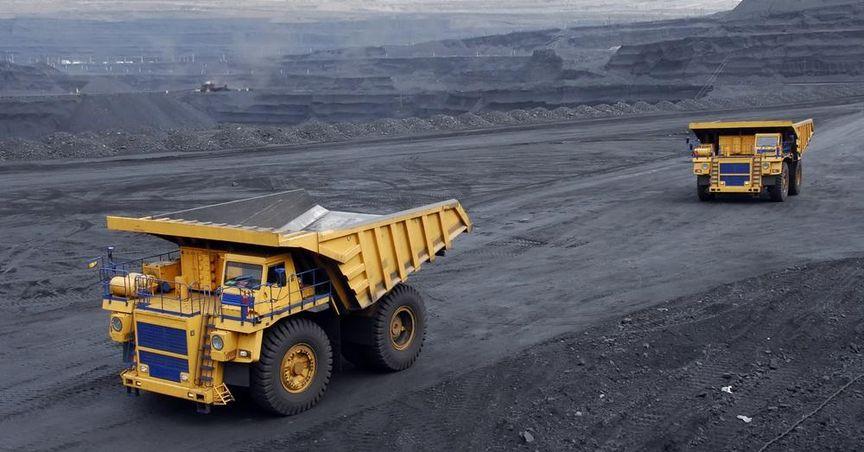
Unlike diversified mining giants with broad commodity portfolios, Fortescue derives the overwhelming majority of its earnings from iron ore shipments originating from the Pilbara region of Western Australia.
This concentrated operational model means the company’s earnings profile remains closely linked to fluctuations in iron ore pricing and Chinese steel demand.
When iron ore prices strengthen, Fortescue’s earnings momentum can accelerate rapidly. However, when prices soften, market sentiment towards the stock can deteriorate just as quickly.
The broader market focus on ASX Metal & Mining Stocks has therefore kept Fortescue firmly at the centre of discussions surrounding commodity cycles and resource sector performance.
Why Iron Ore Prices Matter So Much
Iron ore remains one of the world’s most important industrial commodities because it forms the backbone of steel production and large-scale infrastructure development.
Chinese industrial activity continues playing an especially important role because China remains the largest consumer of seaborne iron ore globally.
Any shift in Chinese infrastructure spending, property development activity, or industrial output can significantly influence iron ore pricing and, by extension, the earnings outlook for companies such as Fortescue.
Recent strength in iron ore pricing has provided support for the broader mining sector, helping fuel renewed optimism surrounding major Pilbara producers.
However, Fortescue’s operational structure also means the company can experience amplified earnings sensitivity relative to more diversified miners.
Grade Discounts Continue Influencing Pricing
One of the more nuanced aspects of Fortescue’s business involves the pricing discount typically applied to its iron ore products.
The company’s Pilbara blend generally trades below the benchmark high-grade iron ore index because of differences in iron content and processing efficiency.
Steel mills often apply discounts to lower-grade ore due to additional processing requirements and operational inefficiencies during steelmaking.
This means headline iron ore price strength does not always fully translate into equivalent realised pricing outcomes for Fortescue.
Understanding this pricing dynamic remains important when assessing the company’s earnings outlook and broader market valuation.
Rally Followed by Sharp Pullback
Fortescue recently experienced a sharp market rally before retreating from multi-year highs over a relatively short period.
The speed of the reversal highlighted how quickly sentiment can shift across resource stocks when momentum-driven buying meets profit-taking activity.
Importantly, the pullback did not appear tied to major company-specific operational issues. Instead, the reversal reflected broader market behaviour commonly seen during commodity-driven rallies where enthusiasm temporarily exceeds fundamental valuation support.
This type of sentiment overshoot frequently occurs within cyclical sectors such as mining, where commodity optimism can push share prices rapidly higher before markets reassess risk and valuation conditions.
The growing interest in ASX Growth Stocks has also contributed to stronger market swings within commodity-linked equities tied to future demand themes.
Analysts Remain Cautious
Despite Fortescue’s impressive share price recovery, much of the analyst community has remained notably cautious regarding the stock’s near-term valuation profile.
Several analysts continue expressing concern that the rally may have outpaced underlying earnings fundamentals, particularly given uncertainty surrounding future operating costs and broader commodity conditions.
Average valuation targets across the market have generally remained below recent trading levels, highlighting the divide between market momentum and institutional caution.
This disconnect suggests that recent buying activity may have been driven more by commodity optimism and retail participation than broad-based institutional conviction.
When analyst expectations fail to rise alongside a stock’s market performance, investors often begin questioning whether further upside can be sustained without stronger operational catalysts.
Chinese Demand Still Holds the Key
The long-term outlook for Fortescue remains heavily dependent on Chinese steel production and infrastructure demand.
China’s property sector, industrial expansion, and government stimulus measures continue influencing iron ore consumption patterns worldwide.
Any improvement in infrastructure spending or broader industrial activity could provide ongoing support for iron ore pricing, benefiting large-scale producers such as Fortescue.
Conversely, softer Chinese demand conditions could pressure commodity prices and reduce earnings momentum across the sector.
This dependence on Chinese demand dynamics remains one of the defining characteristics shaping Fortescue’s broader investment narrative.
Green Energy Ambitions Add Complexity
Fortescue’s expanding decarbonisation and green energy initiatives have also become increasingly important within the company’s long-term strategy.
The company has committed substantial investment towards reducing operational emissions and developing renewable energy-related infrastructure across its Pilbara operations.
This transition aims to lower long-term fuel costs, improve operational efficiency, and align the company with broader global sustainability trends.
The move towards green energy infrastructure has strengthened interest in Fortescue’s strategic direction beyond traditional mining operations.
The broader attention surrounding ASX Energy Stocks increasingly overlaps with mining businesses pursuing large-scale renewable and decarbonisation projects.
Cost Pressures Remain a Concern
One of the major risks facing Fortescue involves the potential for rising operating costs across labour, fuel, maintenance, and project development.
Western Australia’s mining sector continues facing inflationary pressures linked to workforce demand and operational expenses.
At the same time, large-scale decarbonisation investment programs require substantial capital allocation, potentially influencing future free cash flow generation.
These cost pressures remain central to why many analysts continue adopting a cautious stance despite favourable commodity pricing conditions.
Mining companies operating within cyclical commodity markets must carefully balance expansion, operational efficiency, and shareholder returns during periods of elevated market volatility.
Dividend Expectations Under Scrutiny
Fortescue has historically attracted strong interest from income-focused investors due to its substantial dividend distributions during periods of elevated iron ore pricing.
However, future payout sustainability remains closely tied to commodity pricing conditions and capital expenditure requirements.
If operating costs rise while iron ore prices soften, free cash flow pressure could influence future shareholder distribution capacity.
The continued focus on ASX Dividend Stocks has therefore increased attention on how mining companies manage earnings volatility alongside shareholder return expectations.
A Market Torn Between Optimism and Caution
Fortescue now finds itself positioned between two competing market narratives.
On one side, strong iron ore pricing, Chinese demand resilience, and long-term decarbonisation opportunities continue supporting bullish sentiment surrounding the company.
On the other, valuation concerns, cost pressures, and analyst caution suggest the stock may already reflect much of the recent optimism.
This balance between commodity momentum and valuation discipline is likely to remain central to market discussions surrounding Fortescue throughout the coming months.
