
 AUS
AUS
 NZ
NZ
 UK
UK
 CA
CA
 USA
USA
 IND
IND






Highlights
- Copper and iron ore outlook remain key market focus.
- Long-term expansion projects continue to shape strategy.
- Commodity demand trends remain central to future performance.
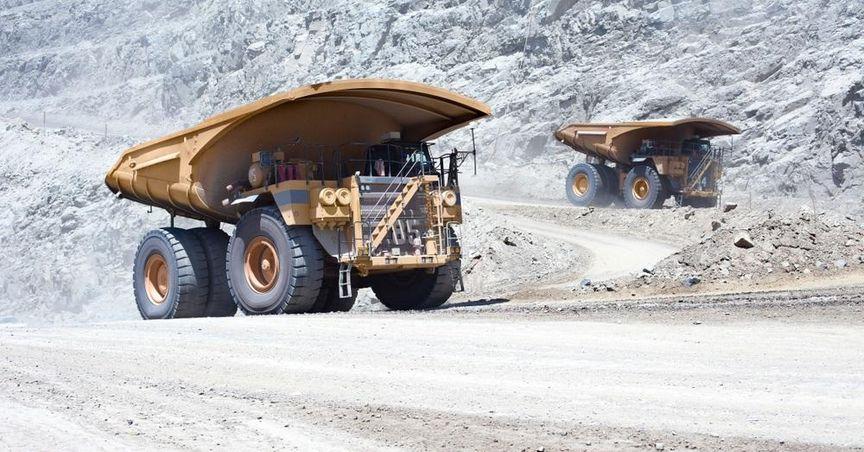
BHP Groups latest operational update has renewed attention on its production outlook, long-term project pipeline, and changing commodity mix. The company continues balancing established mining assets with future-focused expansion while navigating evolving global demand and cost dynamics.
BHP Group has once again become a major talking point following its latest production guidance and operational update. The announcement has encouraged closer examination of the company's strategy, project pipeline, and exposure to several key commodities that continue to influence global resource markets. As one of Australia's largest diversified miners within the ASX 100, the company remains closely watched whenever operational guidance or production updates are released.
The latest update reflects a business continuing to balance mature mining operations with long-term development initiatives while responding to changing market conditions. Investors and market participants are paying close attention to how copper, iron ore, metallurgical coal, and future-facing minerals contribute to the company's evolving earnings profile.
For readers following ASX dividend stocks, this development also highlights how operational execution, project delivery, and commodity demand remain important themes across Australia's leading resource companies.
Understanding the Latest Production Update
The latest operational report provided a broad overview of production across BHP's key mining assets while also outlining guidance for the upcoming financial year. Although production trends varied across commodities, the update reinforced the company's ongoing focus on maintaining large-scale operations while investing in assets expected to support long-term growth.
Rather than focusing solely on short-term production fluctuations, the announcement highlighted the broader direction of the company's portfolio. Mature iron ore assets continue to play an important role, while copper operations are receiving increased attention as global demand for electrification-related metals continues to evolve.
The report also highlighted continued progress across development projects that are expected to influence production over many years rather than delivering immediate operational changes.
The Changing Commodity Mix
Iron Ore Remains a Core Business
Iron ore continues to represent one of the company's largest businesses despite changing global economic conditions. Demand from steel producers remains an important driver for the commodity, particularly across Asian markets.
However, market participants are increasingly examining whether future steel demand will follow historical growth patterns. Economic activity, infrastructure spending, and industrial production continue to influence long-term expectations for iron ore consumption.
Any prolonged change in steel demand could affect revenue generated from one of BHP's largest operating segments, making iron ore an ongoing area of market attention.
Copper Continues Gaining Importance
Copper has become one of the most closely watched commodities within the mining sector.
Global electrification trends, renewable energy projects, electric vehicles, transmission infrastructure, and data centre expansion continue supporting long-term interest in copper demand.
As industries modernise their infrastructure, copper is expected to remain an essential industrial metal. This explains why BHP continues investing in expanding its copper production capability across multiple operations.
Copper also provides greater commodity diversification, helping reduce dependence on any single resource.
The growing role of copper also reflects broader changes taking place across the global mining industry, where future-facing metals are becoming increasingly important within diversified portfolios.
Long-Term Projects Continue to Shape Strategy
Jansen Represents a Major Strategic Development
Among the company's largest long-term initiatives is the Jansen potash development.
Unlike traditional mining assets focused on steelmaking commodities, potash serves agricultural markets by supporting global fertiliser production. This provides exposure to an entirely different demand cycle compared with iron ore or metallurgical coal.
Diversifying into agricultural minerals may help create a broader commodity portfolio capable of performing across different economic environments.
Large-scale developments such as Jansen require substantial capital investment over many years before reaching full production. Because of this extended development timeline, project execution remains an important area of attention.
Construction progress, cost management, regulatory approvals, and commissioning milestones will all influence how successfully the project contributes to future operations.
Diversification Beyond Traditional Mining
Diversification has become an increasingly important theme among global mining companies.
Rather than relying primarily on one commodity, diversified resource companies aim to spread operational exposure across several markets.
For BHP, this includes exposure to:
- Iron ore
- Copper
- Metallurgical coal
- Potash
Each commodity responds differently to global economic conditions.
Construction activity generally supports iron ore demand.
Electrification encourages copper consumption.
Agricultural production influences potash markets.
Steel manufacturing affects metallurgical coal demand.
A broader commodity mix may reduce exposure to weakness in any single market while creating additional sources of long-term revenue.
Market Valuation Remains an Active Discussion
One topic attracting considerable attention following the operational update is valuation.
Different market participants often reach different conclusions regarding what a diversified mining company should be worth.
Valuation models typically incorporate assumptions involving:
- Future commodity prices
- Production volumes
- Operating costs
- Capital expenditure
- Cash generation
- Project delivery
- Long-term demand expectations
Small changes in these assumptions can produce significantly different valuation outcomes.
As a result, valuation discussions frequently evolve whenever updated production guidance becomes available.
Rather than viewing valuation as a fixed measure, many market participants treat it as an evolving assessment influenced by changing market conditions and corporate execution.
China Continues Influencing Global Mining
China remains one of the most significant drivers of demand across several major commodities.
Infrastructure investment, manufacturing activity, construction spending, and industrial output all contribute to resource consumption.
Iron ore demand is particularly sensitive to developments within China's steel industry.
Should construction activity or steel production experience structural changes, resource producers may experience changing demand conditions.
This explains why updates regarding China's economy often influence sentiment across Australian mining companies included within the ASX 200.
Cost Management Remains Critical
Large mining operations involve extensive capital expenditure and ongoing operational costs.
Fuel prices, labour availability, equipment maintenance, transportation expenses, and energy costs all influence profitability.
Major development projects introduce additional challenges because construction costs may change throughout multi-year development periods.
Successfully controlling project expenditure while maintaining operational efficiency remains an important objective for diversified mining companies.
Effective cost discipline can support financial stability even during periods of commodity price volatility.
Sustainability and Operational Evolution
Mining companies continue placing greater emphasis on sustainable operations.
Environmental management, responsible water use, emissions reduction initiatives, community engagement, and operational efficiency have become increasingly integrated into long-term planning.
These initiatives support regulatory compliance while helping maintain long-term access to mining projects.
Technology also continues reshaping mining operations.
Automation, digital monitoring systems, predictive maintenance, artificial intelligence, and operational analytics are improving efficiency across many mining sites.
Innovation is becoming an increasingly important competitive advantage throughout the global resources industry.
Why Diversification Matters in Resource Markets
Commodity markets rarely move together.
Iron ore may strengthen while copper weakens.
Agricultural markets may improve even when industrial activity slows.
Diversification therefore allows resource companies to balance changing market cycles more effectively.
This approach helps create operational flexibility while expanding exposure across multiple industries rather than relying upon a single economic trend.
For BHP, maintaining a diversified commodity portfolio remains central to its long-term corporate strategy.
Looking Ahead
The latest production guidance reinforces that BHP continues focusing on operational consistency while advancing major development projects designed to reshape its future commodity mix.
Copper expansion, potash development, iron ore production, and disciplined capital management collectively illustrate how the company is preparing for changing global resource demand.
Future performance will continue to depend on project execution, operational reliability, commodity demand, and broader economic conditions.
As one of Australia's largest mining companies within the ASX 300, BHP remains an important indicator of broader trends affecting both the domestic resources sector and international commodity markets.
