
 AUS
AUS
 NZ
NZ
 UK
UK
 CA
CA
 USA
USA
 IND
IND





Highlights:
- UQ to deliver training in Chile and Argentina
- Focus on mine safety and sustainability modules
- Rio Tinto (RIO) partners in Argentina program
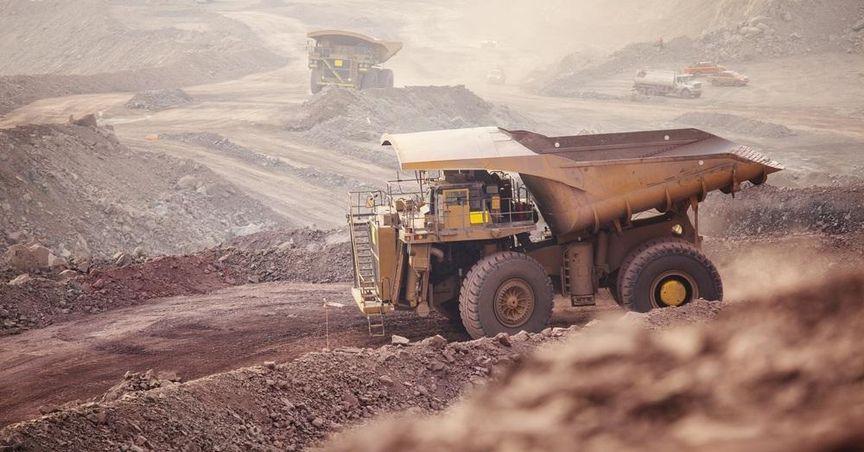
In a significant boost to Australia's transnational education and global mining safety efforts, Queensland is stepping onto the international stage with tailored mine safety and sustainability training across Latin America. Backed by a $1 million grant from the Australian Government's Department of Education, the University of Queensland (UQ) will lead the initiative to design and deliver specialised short courses for professionals in Chile and Argentina.
This cross-border educational push is part of a broader effort to support skilled workforce development in the critical minerals sector. The initiative is aligned with the objectives of Australia's transnational education program, which fosters collaboration between local institutions and overseas partners to provide globally relevant training.
In Chile, UQ is collaborating with the National Mining Society and the National Institute for Professional Training to offer training geared towards sustainability and autonomous operations. The curriculum includes decarbonisation strategies, water and tailings resource management, sustainability reporting, and generating social value within mining operations.
Meanwhile, Argentina's training focus will be on enhancing mine safety. Delivered in partnership with Universidad Catolica de Salta and leading global miner Rio Tinto (ASX:RIO), the program aims to equip workers with the practical skills and safety knowledge required to meet evolving industry standards. As a constituent of the ASX200 stocks, Rio Tinto's participation underscores the significance of involving top-tier industry players in shaping a safer and more sustainable mining future.
The short courses will initially benefit 160 professionals, spanning frontline workers to executive management. According to Vice Chancellor Professor Deborah Terry AC, this training initiative offers an opportunity to address complex sustainability challenges through innovation and local engagement.
Doug Aitken, executive director of the Chile-based International Centre of Excellence (SMI-ICE), emphasized the need for accessible, high-quality programs in Latin America to prepare workers for the sector's dynamic demands.
In addition to this educational leap, a parallel regulatory reform effort is underway. The Queensland Government has launched a comprehensive review of the Resources Safety and Health Queensland (RSHQ) regulatory model. Spearheaded by Professor Susan Johnston from UQ, the review will examine whether structural changes could better protect resource sector workers' health and safety.
Established in 2020, RSHQ currently oversees safety in Queensland’s mining, gas, petroleum, and explosives industries. As global operations scale up, such reforms and initiatives remain critical in reinforcing Australia’s leadership in sustainable and safe resource development.
