
 AUS
AUS
 NZ
NZ
 UK
UK
 CA
CA
 USA
USA
 IND
IND







Highlights
Port operations rebound quickly after weather disruption
Copper pipeline expands across South America
Technology-led exploration sharpens future focus
Recent operational recovery and strategic copper initiatives underline how BHP Group is balancing near-term stability with long-horizon resource development across global markets.
The latest developments around BHP Group (ASX:BHP) place fresh attention on its investment narrative, especially as port operations resume and new copper plans take shape. This investment narrative reflects a dual focus on maintaining operational continuity while positioning the portfolio toward commodities tied to electrification and infrastructure demand. Together, these updates offer insight into how scale, diversification, and technology intersect across the ASX stock market.
Port Resumption Signals Operational Resilience
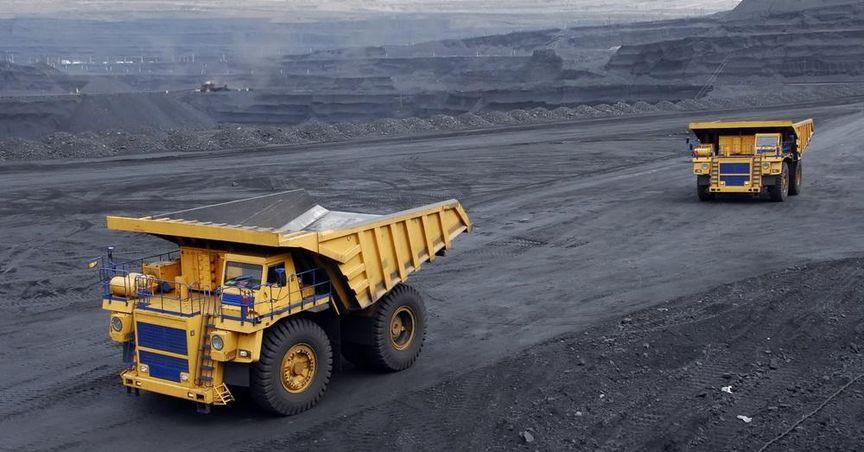
Iron ore exports from northwest Australia recently returned to normal following a brief weather-related interruption. The reopening of Port Hedland and nearby facilities highlighted the strength of established logistics networks and contingency planning. For BHP Group, this swift normalization reinforced confidence in its ability to manage short-term disruptions without long-lasting impact on supply chains.
Iron ore remains a cornerstone within the company’s broader portfolio, supporting steady cash generation and underpinning balance across cycles. In the context of ASX mining stocks, such resilience matters, as infrastructure reliability often differentiates global producers operating at scale. The episode also demonstrated how diversified assets and disciplined operations can absorb external shocks while keeping longer-term priorities intact.
Copper Takes Center Stage in Strategic Planning
Alongside port recovery, attention has turned toward copper-focused expansion through Vicuña Corp, a joint venture involving Lundin Mining (TSX:LUN). The projects, located along the Argentina–Chile border, are designed to strengthen exposure to a metal central to energy transition themes, including electrification and renewable infrastructure.
Copper has gained prominence across global commodity discussions, and BHP Group’s deeper involvement reflects an effort to align future-facing assets with long-term demand drivers. Within indices such as the ASX hundred, ASX two hundred, and ASX three hundred, diversification toward critical minerals is increasingly viewed as a strategic buffer against volatility tied to single-commodity dependence.
Balancing Iron Ore Strength With Future Metals
The evolving portfolio highlights a careful balance. Iron ore continues to anchor near-term performance, supported by established infrastructure and mature operations. At the same time, copper and other critical minerals extend the growth pathway beyond traditional steelmaking demand.
This balance is particularly relevant for investors scanning the broader ASX stock market, where resource companies are often assessed on both stability and adaptability. By maintaining iron ore leadership while expanding copper exposure, BHP Group presents a narrative centered on durability rather than abrupt transformation.
Technology and Exploration as Long-Term Enablers
Another dimension shaping the narrative is the use of advanced technology in exploration. A recent collaboration with South Africa’s Council for Geoscience focuses on applying artificial intelligence to geological analysis. This approach aims to refine exploration efficiency and enhance the understanding of subsurface data.
Technology-led exploration supports disciplined capital allocation by improving targeting accuracy and reducing uncertainty in early-stage projects. Across global mining, such tools are increasingly viewed as essential for sustaining discovery pipelines, particularly as accessible deposits become harder to find.
Capital Discipline and Project Execution
Large-scale copper projects and advanced exploration initiatives require careful execution. While these efforts broaden the resource base, they also introduce complexity linked to geography, regulation, and development timelines. Managing these factors while maintaining capital discipline remains central to the investment narrative.
Within the context of ASX mining stocks, companies that successfully navigate such challenges often differentiate themselves through consistent delivery rather than rapid expansion. BHP Group’s approach emphasizes phased development and partnerships, which can help distribute risk while preserving operational control.
Position Within Australian Market Indices
BHP Group’s strategic moves continue to influence its standing across major Australian indices. Its size and diversification make it a key component of the ASX hundred, ASX two hundred, and ASX three hundred, where index composition reflects both market capitalization and sector leadership.
The company’s role also resonates with income-focused participants monitoring ASX dividend stocks, as stable operations and diversified earnings streams contribute to long-term distribution capacity without relying on short-term commodity spikes.
Regional Exposure and Jurisdictional Considerations
Expanding copper interests across South America introduces exposure to varied regulatory and operating environments. Argentina and Chile each present distinct frameworks, requiring local engagement and adaptive strategies. Navigating these jurisdictions successfully is essential for translating resource scale into sustainable output.
Such geographic diversification complements established Australian operations, spreading risk while tapping into mineral-rich regions. For market observers, this underscores how global reach can enhance resilience when paired with local expertise.
What the Narrative Suggests Going Forward
Taken together, the resumption of port operations and the emphasis on copper expansion suggest a narrative centered on steadiness rather than dramatic change. Operational continuity reinforces confidence in existing assets, while selective investment in future metals aligns the portfolio with evolving global demand patterns.
Within the broader ASX stock market, this approach reflects a preference for measured progression, combining proven revenue streams with carefully chosen avenues for future relevance.
