
 AUS
AUS
 NZ
NZ
 UK
UK
 CA
CA
 USA
USA
 IND
IND




Highlights
- Ionic Rare Earths (IXR) launches renounceable rights trading under IXRR.
- Funds support recycling, global expansion, and joint ventures.
- Broader context of rights issues and ASX mining stocks explored.
Ionic Rare Earths (ASX:IXR) begins renounceable rights trading under IXRR, raising funds for recycling, expansion, and international ventures while strengthening its role in the rare earths sector.
A Turning Point for Rights Issues and Rare Earths
The Australian Securities Exchange (ASX) continues to be a dynamic marketplace where companies not only raise capital but also reshape the direction of key industries through strategic initiatives. Among the many tools available to listed firms, rights issues hold particular importance as they allow companies to strengthen their balance sheets while engaging existing shareholders in the process. Ionic Rare Earths Ltd (ASX:IXR) has taken this path with its renounceable rights issue now trading under the ticker IXRR. Although the company does not currently sit within the ASX 200, its move demonstrates how capital-raising strategies on the exchange are often linked to broader global trends, in this case the rising demand for rare earth elements. The launch of IXRR trading is not just a corporate action but also a statement about the future of rare earths, sustainability, and international collaboration.
Understanding the Mechanics of Rights Issues on ASX
Rights issues are a familiar concept within the ASX stock market and often serve as lifelines for companies pursuing ambitious growth or facing funding needs for large-scale projects. In a rights issue, shareholders are invited to subscribe for additional shares, typically at a price determined by the company. What makes the IXR case particularly notable is its renounceable nature, which means that shareholders unwilling or unable to take up their entitlements can trade those rights on the ASX. This flexibility ensures that value is not lost but can instead be transferred to other investors in the secondary market. For smaller resource-focused companies, this inclusivity can be vital, as it allows more avenues for engagement and ensures the raising process is equitable.
The renounceable rights issue also acts as a barometer of market sentiment. If rights trade actively, it suggests strong interest in the company’s future projects. Conversely, muted trading may signal caution. In the case of Ionic Rare Earths, rights trading under IXRR is a key phase in the company’s journey as it works toward funding recycling innovation, international ventures, and expansion.
Ionic Rare Earths (ASX:IXR): Company Overview
Ionic Rare Earths Ltd is positioned in a sector that has become increasingly central to the global energy transition and high-technology industries. The company’s portfolio of projects is diverse and geographically spread, reflecting a deliberate strategy to reduce dependency on any single market or jurisdiction. Its Belfast Magnet Recycling Project in the United Kingdom represents a leap into the circular economy, where end-of-life magnets are processed to recover rare earths that can be reintroduced into the supply chain. This initiative not only addresses environmental concerns but also aligns with the growing emphasis on sustainable sourcing.
The company’s Viridion joint venture in Brazil extends its footprint into South America, tapping into a resource-rich region with considerable growth prospects. Expansion into the United States adds further diversification and places IXR within a market actively seeking to reduce reliance on established suppliers of rare earths. Together, these projects highlight a company that is not merely chasing resources but actively building a global network to participate in the strategic realignment of supply chains.
Why Rights Trading Matters for IXR
The commencement of rights trading under IXRR represents more than just another event on the ASX calendar. For Ionic Rare Earths, it is the bridge between vision and execution. The funds raised are earmarked for advancing its recycling project, supporting its Brazilian venture, and expanding operations in North America. Each of these initiatives contributes to the broader objective of becoming a significant player in the global rare earths sector.
For investors and market observers, rights trading provides a window into how shareholders view the company’s direction. A rights issue can sometimes raise concerns about dilution, but when positioned strategically, it underscores confidence in the company’s ability to deliver on its promises. In IXR’s case, the renounceable structure ensures that those who do not wish to participate are not left stranded, while those who believe in the long-term vision can increase their involvement.
Rare Earths and the Global Supply Chain
Rare earth elements are indispensable to modern life. They are found in electric vehicles, wind turbines, smartphones, and defense systems. Without them, the world’s push toward renewable energy and technological advancement would face significant challenges. Historically, China has dominated rare earth production, but geopolitical considerations and the risk of supply disruptions have prompted countries such as the United States, Japan, and Australia to diversify sources. This shift opens opportunities for companies like Ionic Rare Earths to play a crucial role in building alternative supply chains.
The Belfast Magnet Recycling Project is particularly significant in this context. By recycling rare earths from used magnets, IXR addresses both environmental and supply challenges. Recycling reduces reliance on mining, lessens the ecological footprint, and provides a steady stream of material for industries that cannot afford interruptions. When viewed alongside the company’s joint venture in Brazil and operations in the United States, it becomes clear that IXR is positioning itself not as a local player but as part of a global solution.
Comparing IXR with ASX Mining Stocks
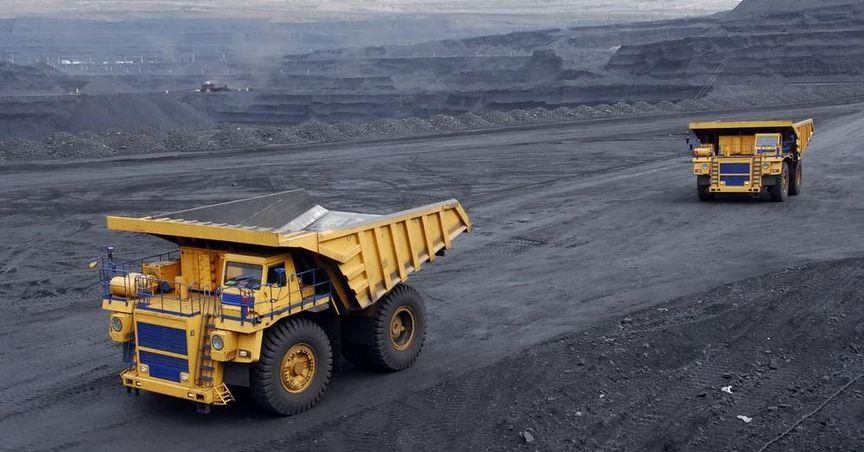
When placed within the wider lens of ASX mining stocks, Ionic Rare Earths stands out for its focus on rare earths rather than more mainstream commodities such as iron ore, coal, or gold. While these larger commodities dominate much of the Australian resources sector, the rare earths market provides exposure to the high-growth segments of clean energy and advanced technology. Unlike traditional miners, IXR is also carving out a niche in recycling, which adds a sustainability dimension to its operations.
Smaller companies like IXR often begin within the ASX ordinaries stocks category, striving to scale operations and eventually gain recognition in larger indices such as the ASX 100. Their strategies frequently involve raising capital through rights issues or placements, investing heavily in exploration and development, and building international partnerships. While IXR is not yet part of the ASX dividend stocks landscape, its trajectory mirrors that of other resource companies that have transitioned from reinvestment phases to shareholder reward phases once projects reached maturity.
Capital Raising in the ASX Stock Market
The rights issue undertaken by Ionic Rare Earths highlights one of several methods available for capital raising within the ASX ecosystem. Placements are another common avenue, typically used to secure funding from institutional investors. Dividend reinvestment plans allow shareholders to increase their holdings automatically, while buybacks reduce the number of outstanding shares to enhance shareholder value. Rights issues, however, remain one of the most inclusive forms of raising capital, as they give existing shareholders the first opportunity to participate.
In IXR’s case, the decision to launch a renounceable rights issue is aligned with the principle of inclusivity, ensuring that all shareholders, regardless of size, have the opportunity to engage with the company’s future. This approach reinforces trust and can build stronger long-term investor relationships, especially in industries where significant upfront capital is needed to achieve breakthroughs.
The Outlook for Ionic Rare Earths
The outlook for IXR hinges on global trends as much as company-specific execution. Demand for rare earths is expected to continue growing as countries accelerate the shift to renewable energy and electric mobility. Recycling will become increasingly important, and IXR’s Belfast project places it at the forefront of this movement. Its Brazilian joint venture provides diversification, while expansion in the United States positions it close to one of the world’s largest consumer markets for technology and defense.
While IXR is not yet among the larger companies in the ASX ecosystem, its focus on rare earths and sustainability gives it a unique growth profile. If it successfully delivers on its projects, it could transition from its current phase of raising capital toward a more established position in the market, eventually allowing it to consider broader shareholder returns in line with peers that now distribute dividends.
Ionic Rare Earths’ renounceable rights issue, trading under IXRR, is more than a capital-raising exercise. It represents a strategic step in the company’s ambition to become a global contributor to the rare earths supply chain. Through recycling innovation, international expansion, and shareholder inclusivity, IXR is positioning itself in line with the demands of a world increasingly defined by clean energy, sustainability, and technological progress. For investors and observers of the ASX stock market, the company’s journey offers insights into how smaller firms can leverage rights issues not only to secure funding but also to align themselves with the megatrends shaping the global economy.
