
 AUS
AUS
 NZ
NZ
 UK
UK
 CA
CA
 USA
USA
 IND
IND






Highlights
- Revenue and profit growth show upward momentum
- Financials reflect a stable capital position
- Operational focus remains on core lithium output
Pilbara Minerals (ASX:PLS), a key lithium producer on the ASX 200, continues to draw attention as investors track the evolving landscape of battery materials and green energy. As part of the ASX 200 index, the company benefits from broader market visibility among leading Australian shares ASX 200 stocks. The year 2025 has seen price fluctuations, but it's the underlying business metrics that provide the deeper story.
Core Operations and Lithium Market Exposure
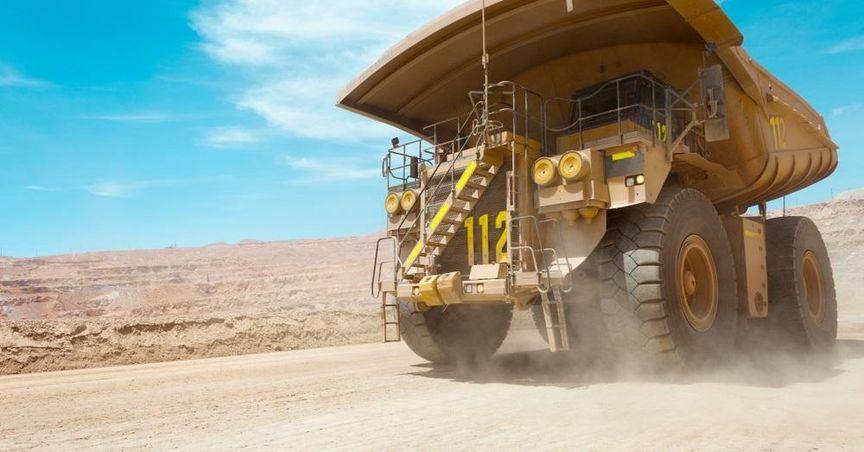
Pilbara Minerals is best known for operating the Pilgangoora project, one of the largest hard-rock lithium operations globally. The company's core business centers around mining and selling spodumene concentrate, which is a primary source of lithium. Sales are made through long-term agreements as well as transactions via the Battery Material Exchange (BMX), offering flexibility in market pricing.
While demand for lithium continues to be shaped by electric vehicles and renewable energy adoption, global commodity dynamics mean price movements remain unpredictable. That’s why internal performance metrics give a more grounded perspective on the company's direction.
Revenue Growth and Profit Turnaround
Recent financial data reflects a multi-year uptrend in revenue and a shift from prior losses to profitability. This indicates that operational efficiencies and rising lithium demand are beginning to translate into consistent financial outcomes. These patterns are essential when evaluating whether the company is progressing toward sustainable performance.
The company’s gross margin also illustrates strength in its core operations. This measure provides insight into how well the business is controlling production costs relative to revenue, offering a view of operational resilience even as external pricing varies.
Financial Health and Balance Sheet Strength
Looking beyond income, Pilbara Minerals shows a robust financial profile with a healthy net debt position. Negative net debt suggests the business holds more cash than total debt, which enhances financial flexibility. This can be especially useful in a volatile sector like mining, where strategic capital deployment matters.
Further supporting this view is the company’s debt-to-equity ratio, which indicates low reliance on borrowed capital. Return on equity, while not high, does signal that the business is managing to convert shareholder funds into earnings, a metric that helps understand efficiency in capital usage.
For those observing the broader lithium and energy transition themes, Pilbara Minerals (PLS) remains a company to monitor within the ASX 200 landscape. With stable financials, a strong operational base, and participation in a sector closely tied to future-facing technologies, its story in 2025 could evolve as market dynamics unfold.
