
 AUS
AUS
 NZ
NZ
 UK
UK
 CA
CA
 USA
USA
 IND
IND







Highlights
- PLS Group continues expanding beyond spodumene production through downstream lithium processing initiatives.
- Mid-stream processing and battery materials remain central to the company's long-term strategy.
- Lithium prices, project execution and processing ramp-up continue shaping market sentiment.
The lithium sector continues evolving as producers seek to capture more value across the battery materials supply chain rather than relying solely on raw material exports. Against this backdrop, PLS Group (ASX:PLS) has continued advancing its Pilgangoora operations while expanding into downstream processing to strengthen its position within the global battery industry. As the ASX 200 reflects ongoing changes across the resources sector, ASX Lithium Stocks remain closely watched as companies pursue greater value through integrated production strategies.
Why is PLS Group expanding downstream?
PLS Group (ASX:PLS) has been progressing its downstream lithium strategy by moving beyond traditional spodumene concentrate production into mid-stream processing.
The objective is to capture additional value across the battery materials supply chain while supporting growing global demand for electrification, battery storage and electric vehicles.
This strategy also reduces reliance on raw material sales alone and strengthens exposure to higher-value lithium products.
How does Pilgangoora support the strategy?
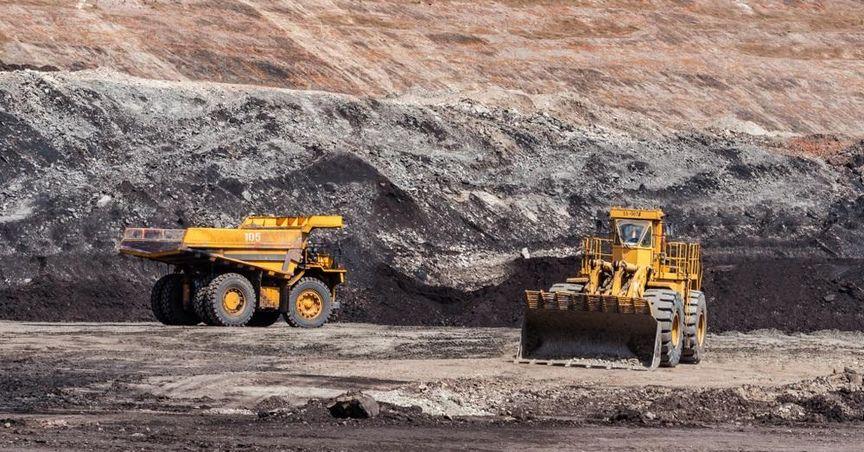
Pilgangoora remains one of the company's cornerstone lithium operations.
The project continues supplying spodumene concentrate while providing the production base that supports downstream processing initiatives.
Its long-term production profile remains an important part of the company's broader growth strategy.
Why is downstream processing important?
Processing lithium beyond the mining stage allows producers to participate further along the battery manufacturing value chain.
Potential benefits include:
- Higher-value lithium products.
- Greater supply chain integration.
- Increased exposure to battery manufacturing.
- Diversified revenue opportunities.
- Improved long-term competitiveness.
However, successful execution remains critical to achieving these objectives.
How is financing supporting future growth?
The company recently strengthened its funding position through senior notes financing.
Additional financial flexibility supports ongoing project development, operational expansion and downstream processing activities.
At the same time, larger capital commitments also increase the importance of disciplined project delivery and cost management.
What risks remain?
Several factors continue influencing the company's outlook, including:
- Lithium price volatility.
- Project execution.
- Processing facility ramp-up.
- Capital expenditure management.
- Global battery demand.
- Operating costs.
These variables continue shaping market expectations for the lithium sector.
Why does lithium market volatility matter?
Lithium prices have experienced significant fluctuations over recent years as supply and demand continue adjusting.
Changes in battery manufacturing activity, electric vehicle adoption and global supply can directly influence producer earnings and project economics.
Companies expanding into downstream processing must therefore balance growth opportunities with disciplined capital allocation.
What should investors monitor next?
Market participants are likely to focus on:
- Progress at downstream processing facilities.
- Pilgangoora operational updates.
- Lithium market conditions.
- Battery demand trends.
- Project execution milestones.
- Financial performance.
- Capital management initiatives.
These developments are expected to influence the company's longer-term growth trajectory.
PLS Group continues transforming from a traditional lithium producer into a broader battery materials participant by expanding downstream processing capabilities alongside its established Pilgangoora operations.
While the strategy provides greater exposure to higher-value lithium products, successful execution, disciplined capital management and stable lithium market conditions remain important factors supporting future growth.
As battery supply chains continue evolving globally, downstream integration is likely to remain a key strategic priority across the Australian lithium sector.
