
 AUS
AUS
 NZ
NZ
 UK
UK
 CA
CA
 USA
USA
 IND
IND






Highlights
Fortescue continued drawing attention through iron ore and green energy operations.
Mining infrastructure and export activity remained central across the ASX market.
Commodity-linked sectors stayed active amid ongoing industrial demand discussions.
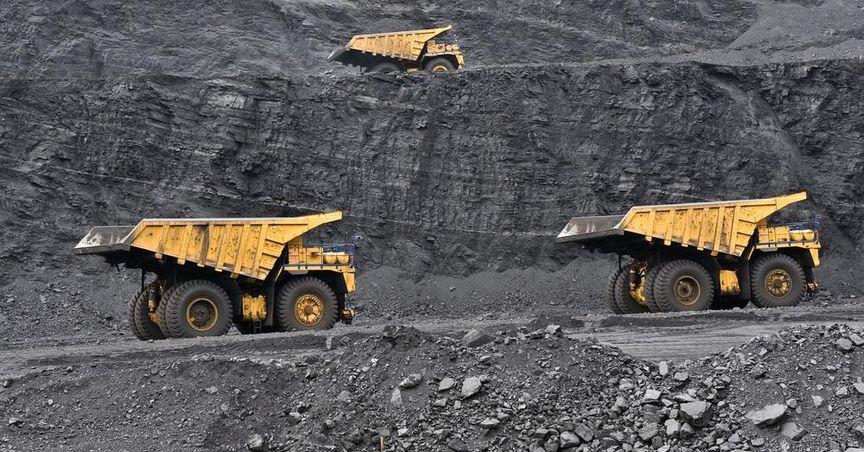
Fortescue remained in focus across the ASX market as iron ore exports, mining infrastructure activity, and clean energy initiatives continued shaping broader commodity sector participation.
The mining and energy sector continued attracting strong participation across the ASX market as iron ore production, export logistics systems, and industrial commodity activity remained closely connected to global infrastructure development. Large-scale mining operators participating within ASX 200 continued maintaining substantial visibility due to ongoing commodity transportation and industrial resource operations.
Fortescue Ltd (ASX:FMG) remained closely followed throughout the mining sector as iron ore exports, logistics infrastructure activity, and clean energy initiatives continued shaping broader participation across commodity-linked industries.
Iron ore operations additionally remained central to industrial markets because construction systems, manufacturing environments, and transportation infrastructure continued requiring substantial steel production activity.
The broader mining sector additionally continued supporting international commodity supply chains involving export terminals, rail infrastructure systems, shipping logistics, and industrial processing environments.
Mining infrastructure additionally remained closely tied to operational efficiency frameworks because large-scale production systems frequently require integrated logistics coordination and transportation management capabilities.
Discussion involving asx all ords additionally reflected sustained participation involving mining operators, infrastructure businesses, and commodity-linked industrial sectors operating across broader market environments.
Clean energy initiatives additionally continued attracting attention because renewable infrastructure development and industrial decarbonisation activity remained closely linked to evolving mining sector participation.
Industrial commodity markets additionally remained highly connected to infrastructure investment programs, manufacturing systems, and international construction environments supporting broader economic activity.
Mining businesses additionally continued strengthening operational integration involving automation technologies, logistics coordination systems, and infrastructure modernisation frameworks supporting production environments.
The broader resources sector therefore remained highly influential across the ASX market due to ongoing engagement involving commodity transportation systems, industrial development initiatives, and clean energy infrastructure participation.
Iron Ore Operations Continue Supporting Market Participation
Iron ore production continued remaining among the most visible components of the mining sector because steel manufacturing and industrial infrastructure activity remained highly dependent upon resource availability and transportation systems.
Fortescue additionally maintained strong operational visibility through iron ore export activity connected to international shipping routes and large-scale industrial commodity supply chains.
Mining infrastructure environments additionally remained closely connected to export coordination systems because bulk commodity transportation frequently depends upon integrated rail networks and port infrastructure operations.
Iron ore activity additionally remained highly important for industrial manufacturing sectors involving commercial construction, engineering systems, and transportation infrastructure projects operating across international markets.
Participation involving ASX 100 additionally reflected broader market engagement involving diversified miners, logistics businesses, infrastructure operators, and industrial commodity producers participating across benchmark sectors.
Mining operations additionally continued adapting infrastructure frameworks involving remote operational technologies, automation systems, and logistics coordination capabilities supporting industrial productivity environments.
The broader resources industry additionally remained closely linked to international trade systems involving commodity exports, shipping coordination activity, and industrial manufacturing participation.
Commodity transportation systems additionally continued supporting broader economic environments because industrial resource movement frequently requires coordinated operational frameworks involving ports, rail systems, and shipping infrastructure.
Mining operators additionally remained active across infrastructure development initiatives involving production expansion programs and industrial transportation optimisation environments.
Industrial participation across iron ore markets therefore remained strongly connected to global manufacturing systems, engineering infrastructure, and commercial construction activity shaping commodity demand environments.
Green Energy Activity Expands Mining Sector Visibility
Green energy initiatives continued strengthening participation across the mining sector because renewable infrastructure systems and emissions management activity remained highly connected to industrial transformation frameworks.
Fortescue additionally maintained visibility across clean energy discussions involving hydrogen infrastructure activity, renewable energy coordination, and industrial decarbonisation initiatives.
Renewable infrastructure development additionally remained closely tied to mining participation because large-scale industrial operators continued integrating lower-emission operational systems and energy diversification frameworks.
The broader clean energy sector additionally remained highly connected to mining environments involving battery infrastructure systems, renewable transportation activity, and industrial electrification programs.
Discussion involving ASX dividend stocks additionally reflected broader participation involving established industrial businesses and large-scale resource operators participating across diversified commercial sectors.
Hydrogen infrastructure activity additionally continued attracting attention because industrial transportation systems and energy logistics environments remained closely connected to alternative fuel development.
Mining businesses additionally continued integrating operational sustainability frameworks involving renewable infrastructure coordination, emissions reduction systems, and industrial energy transition initiatives.
The clean energy sector additionally remained linked to shipping logistics systems because renewable fuel transportation and industrial export coordination frequently depend upon integrated infrastructure participation.
Industrial operators additionally continued participating across technology-focused infrastructure development involving automation systems, energy efficiency frameworks, and digital operational coordination platforms.
Broader market participation across renewable mining initiatives therefore remained highly connected to industrial infrastructure development, energy transition activity, and international transportation systems supporting evolving commercial environments.
Commodity Infrastructure Supports Global Supply Chains
Commodity infrastructure remained highly important throughout the mining sector because industrial supply chains and export environments depend heavily upon transportation systems and operational coordination frameworks.
Fortescue additionally continued participating across commodity transportation systems involving rail infrastructure, export terminals, and industrial logistics coordination supporting large-scale resource distribution.
Global commodity activity additionally remained connected to manufacturing systems because steel production environments and infrastructure development initiatives continued requiring reliable raw material transportation capabilities.
Participation involving ASX 300 additionally reflected broad engagement with mining operators, logistics businesses, transportation infrastructure providers, and industrial engineering sectors participating across commodity-linked environments.
Mining infrastructure additionally remained closely tied to operational productivity because large-scale resource environments frequently require advanced logistics coordination and transportation management systems.
Commercial shipping environments additionally continued supporting industrial commodity distribution involving export logistics systems, freight coordination activity, and port infrastructure operations.
The broader mining sector additionally remained highly connected to engineering-intensive infrastructure activity involving machinery systems, industrial transportation capabilities, and production management environments.
Commodity transportation networks additionally continued supporting international commercial participation because mining exports remain central to global manufacturing and industrial trade systems.
Industrial operators additionally continued integrating technology-focused infrastructure frameworks involving operational monitoring systems, automation capabilities, and transportation optimisation environments.
Broader participation across commodity infrastructure sectors therefore remained strongly connected to mining exports, logistics coordination systems, and industrial transportation frameworks shaping international trade activity.
Mining Sector Participation Remains Highly Active
The broader mining sector continued maintaining substantial operational visibility because industrial commodity demand and infrastructure development remained central to global commercial participation.
Fortescue additionally remained highly connected to mining sector activity involving iron ore exports, logistics infrastructure systems, and clean energy development initiatives supporting broader industrial operations.
Commodity-linked businesses additionally continued shaping participation across the ASX market because mining operators and industrial infrastructure companies remain closely integrated with international trade activity.
Discussion surrounding All Ordinaries additionally reflected ongoing engagement involving mining businesses, transportation infrastructure operators, industrial logistics systems, and engineering-focused commercial sectors.
Industrial commodity markets additionally remained highly influenced by construction systems, manufacturing environments, and transportation infrastructure projects supporting broader economic activity.
Mining businesses additionally continued adapting operational strategies involving sustainability initiatives, renewable energy integration, and industrial infrastructure modernisation activity.
Commodity transportation systems additionally remained essential because export coordination environments frequently require integrated rail infrastructure, shipping logistics systems, and operational management capabilities.
Industrial participation additionally continued expanding through infrastructure coordination initiatives involving logistics optimisation, automation technologies, and digital operational environments supporting mining productivity.
The broader resources sector additionally remained connected to global industrial systems involving steel manufacturing, transportation infrastructure development, and engineering-intensive commercial operations.
Mining sector participation therefore continued shaping broader ASX market activity involving commodity exports, industrial transportation frameworks, renewable energy initiatives, and infrastructure coordination systems supporting international commercial environments.
