
 AUS
AUS
 NZ
NZ
 UK
UK
 CA
CA
 USA
USA
 IND
IND





Highlights
- Seven Group Holdings is being assessed through industrial equipment demand, fleet utilisation and exposure to mining activity.
- Market attention is shifting towards essential services, operational discipline and clearer capital allocation.
- The wider ASX backdrop is rewarding companies that can connect sector demand with measurable business performance.
Australian equities are entering a more demanding phase as higher oil prices, Middle East tensions and mixed corporate updates reshape the tone of the local market. Seven Group Holdings (ASX:SVW) sits inside that conversation because its exposure to industrial equipment, mining services and essential infrastructure provides a practical reading of business activity across several parts of the economy. As a member of the ASX 200, the diversified industrial group is being assessed less through broad enthusiasm and more through fleet utilisation, customer demand and the discipline behind capital allocation.
Equipment Demand Moves Into Focus
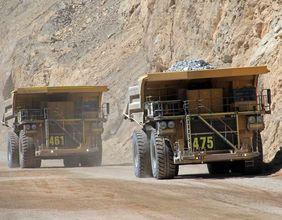
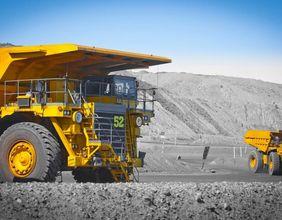
Seven Group is closely associated with the industrial equipment cycle because a meaningful part of its business is linked to machinery used across mining, construction and infrastructure activity.
Demand for heavy equipment can reveal whether customers are expanding fleets, replacing ageing machinery or delaying major spending decisions. These patterns matter because industrial activity rarely moves in a straight line. Equipment demand can remain firm in selected areas even while broader business confidence becomes uneven.
For readers following Industrial Stocks, the company offers a useful way to examine whether essential services and mining-linked activity are producing repeatable operating demand.
The market is not simply asking whether equipment is being ordered. It is also examining whether machinery remains productive once it enters customer fleets. That places utilisation, servicing and parts demand alongside new equipment activity as important components of the overall story.
Why Fleet Utilisation Matters
Fleet utilisation provides a clearer indication of how actively equipment is being used across customer operations.
When machinery is working consistently, demand can extend beyond the original equipment transaction. Servicing requirements, maintenance work, replacement components and operational support can all become more relevant.
This creates a broader commercial relationship between equipment providers and customers. Instead of depending entirely on new machinery orders, the business can remain connected to the operating life of equipment already deployed across mining and infrastructure sites.
That distinction matters in a cautious market. New equipment demand can fluctuate as customers respond to commodity conditions, funding costs and project schedules. Service demand may offer a different form of visibility because machines already in operation require ongoing attention.
The market is therefore looking for evidence that fleet activity remains supported by real workloads rather than temporary purchasing enthusiasm.
Mining Activity Shapes The Cycle
Mining remains one of the strongest influences on industrial equipment demand in Australia.
Large resource operations require substantial machinery, regular maintenance and dependable replacement parts. This can support equipment-related businesses when mine production, development work and sustaining capital remain active.
However, mining activity can also create complexity. Commodity conditions, project approvals and customer spending priorities may change quickly, affecting the timing of equipment orders.
Seven Groups industrial exposure is therefore not assessed through a single commodity theme. The more relevant question is whether activity across established mining operations can sustain demand for equipment and services through changing market conditions.
A strong equipment cycle is most credible when it is supported by active customer fleets, service demand and long-term operational requirements. That is why mining activity matters, but it does not tell the entire story on its own.
Essential Services Add Another Layer
The companys broader business mix means the market also considers exposure to essential services and infrastructure-linked activity.
Industrial businesses serving essential operations are often judged differently from companies dependent on discretionary spending. Machinery, maintenance and operational support can remain necessary even when broader economic confidence softens.
This does not remove cyclical risk, but it can make demand more closely connected to customer operations than to short-lived market enthusiasm.
Essential services also place greater importance on reliability. Customers operating major infrastructure or resource assets require equipment and support that can perform under demanding conditions.
For Seven Group, the sector narrative becomes stronger when equipment demand is backed by service capability, customer relevance and dependable execution.
Capital Allocation Becomes The Key Test
Capital allocation is central to the markets assessment of diversified industrial groups.
A company with interests across equipment, energy-linked assets, media and other industrial activities must decide where capital is most productive. These decisions can influence financial flexibility, balance-sheet strength and the ability to support existing operations.
The current market environment is particularly sensitive to this issue. Higher energy costs, uncertain inflation conditions and changing funding expectations are encouraging greater scrutiny of how companies finance expansion.
For Seven Group, disciplined capital allocation means balancing growth ambitions with operational needs and financial resilience. The market is likely to focus on whether spending decisions strengthen the underlying business rather than simply increasing its size.
Clear capital discipline can also help investors understand how different parts of a diversified portfolio fit together. Without that clarity, a broad business structure may become harder to evaluate.
Diversification Brings Strength And Complexity
Seven Groups diversified structure provides exposure to several economic themes, but it also requires careful interpretation.
Industrial equipment demand may be influenced by mining and infrastructure activity, while other parts of the portfolio may respond to energy conditions, consumer behaviour or media trends.
This mix can reduce dependence on one narrow business category. At the same time, it can make the overall narrative more complex because each division may face different operating conditions.
The market generally responds more favourably when a diversified business can explain how its assets support one another and how capital is allocated between them.
The key issue is not diversification alone. It is whether the portfolio produces consistent operating value and remains aligned with a clear financial framework.
Service Revenue Strengthens The Equipment Story
Equipment businesses are not only shaped by the sale of machinery.
Parts, maintenance, repairs and technical support can provide important continuity across the equipment cycle. These activities remain closely connected to fleet utilisation because actively used machinery generally creates recurring service requirements.
This makes service capability an important part of the companys industrial identity. Customers often require reliable support to keep large machines operating efficiently and to limit disruption across major projects.
A strong service network can also deepen customer relationships. Rather than ending after an equipment delivery, the commercial connection may continue throughout the operating life of the machinery.
That provides a more complete way to assess equipment demand. The market can examine both new fleet activity and the quality of ongoing support attached to machines already in use.
The ASX Is Demanding More Evidence
The broader Australian market is currently making sharper distinctions between sector exposure and actual operating delivery.
A company can be linked to mining activity, infrastructure demand or essential services and still face scrutiny if its financial outcomes do not reflect those themes.
This is particularly relevant when market leadership is divided between resources, technology infrastructure, financial businesses and defensive sectors.
In such an environment, category labels become less important than measurable business performance.
For Seven Group, that means the industrial narrative must be supported by equipment demand, active fleets, service activity and disciplined spending. The companys sector position may attract attention, but operating evidence is what keeps the story credible.
Oil Pressure Complicates The Market Backdrop
The current Australian market tone is also being influenced by stronger oil prices and escalating geopolitical tensions.
Higher energy costs can affect freight, industrial operations and broader inflation expectations. They may also influence how businesses plan capital spending and manage operating expenses.
For industrial companies, this backdrop creates both direct and indirect considerations. Customer sectors may respond differently depending on their exposure to energy prices, commodity demand and project costs.
This is why the equipment-cycle discussion cannot be separated entirely from the wider economic setting. Industrial demand may remain firm, but cost discipline becomes more important when energy and funding conditions are uncertain.
The market is therefore likely to reward businesses that explain how they manage these pressures without relying on broad claims.
What Could Keep SVW In Focus?
The next phase of the Seven Group discussion is likely to centre on consistency.
Fleet utilisation will remain relevant because it reflects the operating intensity of customer equipment. Service activity will matter because it shows whether demand continues beyond initial machinery orders.
Mining conditions will also remain part of the assessment, particularly where customer spending supports equipment replacement and maintenance.
Capital allocation may be the most important connecting factor. The market will want to understand whether spending decisions support operational quality, financial flexibility and portfolio discipline.
A clearer alignment between equipment demand, service revenue and capital management would make the industrial narrative easier to evaluate.
The Broader Industrial Takeaway
Seven Groups connection to equipment-cycle demand is grounded in the relationship between machinery, mining activity and essential operational services.
The company is not simply being assessed as a broad industrial name. It is being judged through the real activity taking place across customer fleets and the financial discipline used to support that exposure.
This makes fleet utilisation a central signal. It helps show whether equipment remains productive and whether service demand has a stable operating base.
The broader lesson is that industrial exposure becomes more meaningful when it is connected to measurable activity. Equipment demand must be supported by customer workloads, maintenance requirements and disciplined capital decisions.
In a selective Australian market, those factors provide a more useful assessment than sector momentum alone.
