
 AUS
AUS
 NZ
NZ
 UK
UK
 CA
CA
 USA
USA
 IND
IND







Highlights
- Rio Tinto kept full-year production guidance unchanged after firmer Pilbara shipments.
- Steadier iron ore and copper prices supported sentiment across Australia's major miners.
- Cost discipline and quarterly operational updates remain central themes for the materials sector.
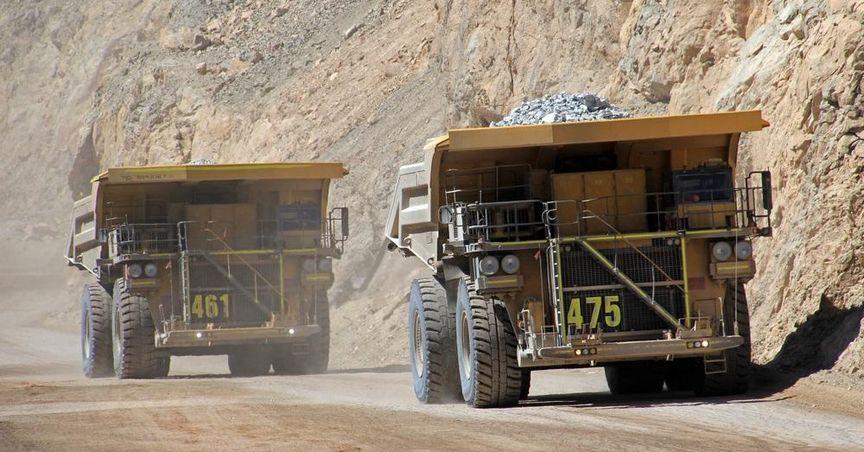
Rio Tinto (ASX:RIO), the Anglo-Australian mining group with extensive operations across Western Australia, has maintained its full-year production guidance after reporting stronger quarterly shipments from its Pilbara iron ore operations. The update helped reinforce confidence across Australia's major mining companies as firmer iron ore and copper prices provided additional support for the broader ASX 200 materials sector.
Pilbara operations continue delivering
The Pilbara remains the centrepiece of Australia's iron ore industry, and Rio Tinto's latest quarterly update highlighted the importance of operational consistency.
The company reported stronger shipments while maintaining its production guidance, signalling that mining, rail and port operations continue performing in line with expectations.
For a business of Rio Tinto's scale, stable production and reliable logistics remain essential to maintaining export volumes and supporting long-term operational performance.
Maintaining guidance also provides confidence that major operations continue progressing without significant disruption.
Consistent production supports cash generation
Reliable iron ore production remains fundamental to the financial strength of Australia's largest miners.
Steady shipments help support operating cash flow while allowing companies to continue investing in replacement mines, productivity improvements and future growth initiatives.
For diversified mining groups, operational consistency often proves just as valuable as short-term commodity price movements.
BHP and Fortescue remain in focus
Rio Tinto's update also drew attention toward other major Australian iron ore producers.
BHP Group (ASX:BHP) continued benefiting from improving sentiment across both iron ore and copper markets. Its diversified portfolio provides exposure to several major commodities, allowing earnings to be supported by multiple resource segments.
Fortescue (ASX:FMG) also remained firmly in focus. Unlike the diversified miners, Fortescue maintains a stronger concentration in iron ore production while continuing to pursue longer-term energy transition initiatives.
Although each company operates with a different strategy, all three remain closely linked to movements in global iron ore demand.
Why iron ore pricing matters
Iron ore remains Australia's largest commodity export.
Demand from steel producers across Asia continues influencing pricing, with stronger prices generally supporting higher margins for Australian producers due to their competitive operating costs.
Even relatively stable pricing conditions can improve earnings visibility for major miners while supporting ongoing capital investment and shareholder distributions.
Copper provides additional support
Copper has become an increasingly important growth commodity for diversified mining companies.
The metal plays a central role across electrification, renewable energy infrastructure, electric vehicles and expanding data centre construction.
For companies such as Rio Tinto and BHP, growing copper exposure helps diversify earnings beyond iron ore while providing participation in several long-term industrial themes.
Developing large copper projects, however, requires significant capital investment and long development timelines.
Operational discipline remains important
Quarterly reporting continues placing operational efficiency under close scrutiny.
Mining companies continue managing labour costs, energy expenses, fuel prices and contractor availability while maintaining production targets.
Companies capable of delivering production guidance alongside disciplined cost management generally receive stronger market attention during reporting periods.
Large-scale operations and integrated logistics networks continue providing Australia's major miners with operational advantages, although cost pressures remain an ongoing consideration.
Investors following Australia's resource sector continue monitoring ASX Metal & Mining Stocks to track developments across diversified miners, iron ore producers and emerging resource companies.
Comparing the major miners
Although grouped together within Australia's mining sector, the leading producers maintain distinct business profiles.
Rio Tinto combines large-scale Pilbara iron ore operations with expanding exposure to copper and lithium.
BHP maintains one of the industry's broadest commodity portfolios across iron ore, copper and potash.
Fortescue remains more heavily concentrated on iron ore production while investing in future energy initiatives.
These differences influence how each company responds to changing commodity markets and global demand conditions.
Australia's mining sector remains significant
Mining continues contributing substantially to Australia's exports, employment and economic activity.
Performance from the Pilbara producers influences not only resource markets but also broader economic indicators through export earnings and business investment.
As a result, quarterly production updates from Australia's largest miners remain closely followed across financial markets.
Global demand remains the key driver
The longer-term outlook for Australia's iron ore producers continues depending largely on international steel demand.
Construction activity, manufacturing output and infrastructure spending across Asia remain key indicators influencing seaborne iron ore demand.
Currency movements also continue affecting earnings, with a weaker Australian dollar often supporting local currency revenues for exporters whose products are priced internationally.
These factors will continue shaping sentiment toward Australia's largest mining companies as future reporting periods unfold.
