
 AUS
AUS
 NZ
NZ
 UK
UK
 CA
CA
 USA
USA
 IND
IND






Highlights
- Cleanaway Waste Management is being assessed through waste volumes, recycling demand and contract quality rather than broad market enthusiasm.
- Attention across the industrial sector is shifting towards essential services, safety discipline and dependable cashflow.
- The Australian market is rewarding companies that can connect customer demand with measurable operational delivery.
Cleanaway Waste Management (ASX:CWY) remains firmly on the market radar as Australian equities move through a divided environment shaped by resource strength, renewed technology interest and uncertainty around global energy costs. Within the broader ASX 200 conversation, attention is becoming more forensic, with market participants examining whether companies can support their narratives through reliable cashflow, disciplined operations and durable customer demand. For readers following Industrial Stocks, the national waste management group provides a practical lens on essential services, recycling activity and the quality of contract execution.
Why Cleanaway Draws Attention
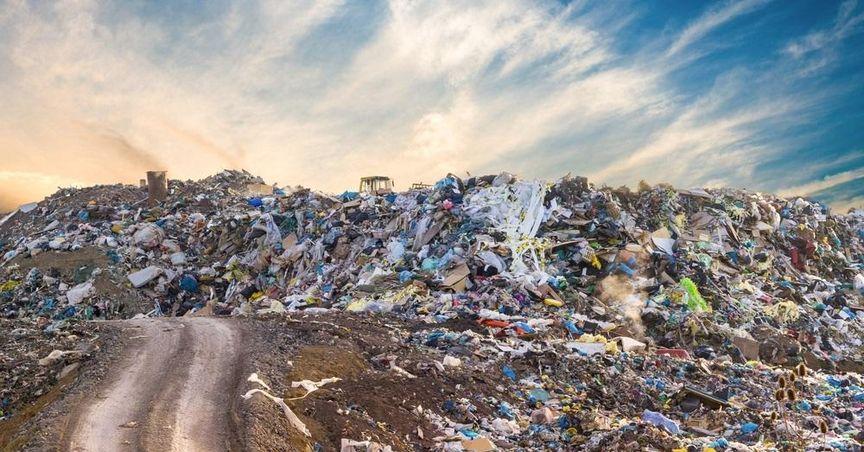
Cleanaway operates across waste collection, resource recovery, recycling and disposal services throughout Australia. Its activities support households, councils, commercial customers and industrial facilities, giving the company exposure to a wide range of economic activity.
Waste management is often described as an essential service because rubbish collection, treatment and disposal continue regardless of short-term changes in market sentiment. Communities require regular collection services, businesses need compliant waste solutions and local authorities must maintain public health standards.
That defensive quality helps explain why Cleanaway remains relevant during uncertain market conditions. However, essential demand does not remove operational risk. The company still needs to manage fleet costs, labour availability, site performance, safety obligations and customer contracts.
The central market question is therefore not whether waste services are necessary. It is whether the company can convert that necessity into consistent operational and financial performance.
Waste Volumes Set the Operating Tone
Waste volumes provide one of the clearest signals of underlying activity.
Residential waste can remain comparatively steady because households continue generating rubbish through different economic conditions. Commercial and industrial volumes may be more sensitive to construction activity, manufacturing output, retail demand and broader business conditions.
This mix gives Cleanaway both stability and exposure to economic cycles.
If commercial activity slows, some waste streams may soften. At the same time, municipal collection and other contracted services can provide a more reliable base. Understanding that balance is important because total volume alone does not reveal the quality of the revenue being generated.
Different waste streams also carry different collection, processing and disposal costs. Higher volume can support asset utilisation, but the benefit depends on pricing, route efficiency and the treatment requirements attached to each contract.
The market is therefore likely to focus on whether waste volumes align with disciplined cost control rather than viewing volume growth as sufficient evidence on its own.
Contract Resets Carry More Weight
Contracts sit at the centre of the Cleanaway operating model.
The company provides services under arrangements with councils, commercial organisations and industrial customers. These contracts can offer revenue visibility, but their quality depends on pricing terms, duration, service obligations and the ability to recover changing operating costs.
Contract resets become particularly important when fuel, labour, maintenance or compliance expenses rise.
An agreement that looked attractive when signed may become less supportive if the cost environment changes significantly. Renegotiation or renewal periods therefore provide an opportunity to align pricing with current operating conditions.
However, resets must be handled carefully. Customers may resist price increases, particularly when their own budgets are under pressure. Cleanaway must balance service reliability, commercial discipline and customer retention.
The strength of the contract book is therefore determined not only by its size but by whether agreements support sustainable margins and reflect the real cost of delivering services.
Essential Services Still Require Proof
The essential nature of waste management can sometimes create an impression of automatic resilience.
In reality, service continuity depends on a large operational network. Collection vehicles must remain available, transfer stations need to function efficiently and processing facilities must meet environmental and safety requirements.
A disruption in one part of the network can affect routes, customer service and costs across other areas.
This means Cleanaways defensive characteristics are closely linked to execution. The company must maintain equipment, manage staffing and coordinate complex logistics across urban, regional and industrial locations.
Reliable performance strengthens customer trust and supports contract renewal. Weak service delivery can lead to complaints, penalties or higher remediation costs.
The essential-services narrative therefore becomes more credible when it is supported by punctual collections, efficient facilities and consistent compliance.
Safety Scrutiny Shapes Credibility
Safety carries exceptional importance in waste management.
Employees work around heavy vehicles, machinery, hazardous materials and busy collection routes. The operating environment requires detailed procedures, regular training and strong reporting systems.
For Cleanaway, safety performance affects more than workplace outcomes. It can influence operating continuity, insurance costs, regulatory relationships and the companys standing with customers.
Councils and large organisations often assess safety capability when awarding or renewing contracts. A strong operating record can support credibility, while repeated problems may lead to closer scrutiny and additional costs.
This is why safety cannot be treated as a separate corporate theme. It is directly connected to service quality, financial performance and contract retention.
The market is likely to respond more constructively when safety commentary is supported by clear processes and visible operating improvement rather than broad assurances.
Recycling Demand Adds Another Layer
Recycling remains an important part of the Australian waste sector, but demand is more complex than simple collection growth.
The value of recovered materials can change with commodity conditions, customer demand and processing costs. Materials must also meet quality standards before they can be reused effectively.
Contamination can reduce recovery rates and raise treatment expenses. This makes sorting technology, customer education and facility efficiency important parts of the recycling model.
Cleanaways recycling activities can benefit from stronger demand for recovered materials and greater interest in circular-economy practices. Yet the commercial outcome depends on whether collected material can be processed and placed into viable end markets.
The company therefore needs to connect recycling ambition with practical economics.
A stronger recycling narrative is one supported by dependable feedstock, efficient facilities and customers willing to use recovered materials. Without those elements, higher collection volumes may not automatically translate into stronger operating results.
Regulation Supports Demand but Raises Costs
Waste management operates within a detailed regulatory framework.
Environmental rules affect collection, transport, treatment and disposal practices. Landfill operations must meet licensing requirements, while hazardous materials require specialised handling.
Regulation can support established operators because customers often prefer providers with the scale and systems required to manage complex obligations.
However, compliance also creates costs.
Cleanaway must invest in facility maintenance, monitoring, reporting and environmental controls. Changes in policy can require further spending or alter how particular waste streams are treated.
The market may therefore assess whether regulatory expenditure strengthens the network and customer proposition or places pressure on operating margins.
A disciplined response to regulation can support long-term credibility, particularly as governments and communities place greater emphasis on recycling, resource recovery and responsible disposal.
Fleet Efficiency Matters to Margins
The companys collection fleet is one of its most important operating assets.
Route density, vehicle availability and fuel use all influence the cost of providing services. A collection network becomes more efficient when vehicles can serve a large number of customers within compact areas and return to suitable transfer or processing facilities.
Poor route design can increase travel time, fuel consumption and maintenance requirements.
Cleanaway therefore benefits when technology, scheduling and network scale work together. Better route planning can improve vehicle utilisation while helping the company maintain collection reliability.
Fuel costs remain another important variable. Higher energy prices can affect transport-heavy operations, especially when customer contracts do not allow rapid cost recovery.
This reinforces the importance of carefully structured agreements and disciplined fleet management. Waste volumes create activity, but network efficiency determines how effectively that activity supports margins.
Cashflow Quality Remains Central
The broader Australian market is increasingly focused on cashflow quality rather than thematic appeal.
For Cleanaway, recurring services can support financial visibility because customers require regular waste collection and treatment. Yet revenue consistency must be matched by effective working-capital management and disciplined spending.
The company requires ongoing capital for vehicles, facilities, environmental compliance and technology. These investments are necessary to maintain service standards, but they must remain connected to clear operational outcomes.
A strong cashflow profile can provide flexibility to replace ageing equipment, improve processing capacity and respond to regulatory requirements.
At the same time, excessive spending without adequate returns can weaken the essential-services narrative.
The market is therefore likely to consider whether capital deployment improves route efficiency, facility performance and contract economics rather than simply expanding the size of the network.
The Balance Sheet Supports Flexibility
Waste management can be capital intensive.
Large fleets, processing sites and disposal assets require long-term investment, while acquisitions or network upgrades can add further funding demands.
Balance-sheet discipline matters because the company needs enough flexibility to manage cost pressures without compromising service reliability.
A measured financial position can support fleet renewal, safety investment and facility upgrades during uneven market conditions. It can also reduce the pressure to pursue growth that does not align with operating capacity.
The companys financial credibility is strengthened when expansion decisions remain connected to customer demand and network efficiency.
That connection is particularly important when other capital-intensive sectors, including energy, infrastructure and data centres, are competing for market attention.
What the Market May Watch Next
The next phase of the Cleanaway narrative is likely to be assessed through execution rather than broad sector labels.
Waste volumes will remain important, but the market may look closely at the mix between municipal, commercial and industrial activity. Contract renewal terms will also provide insight into whether the company can recover changing costs while retaining customers.
Recycling demand will remain another key measure. Greater recovery activity can support the broader environmental narrative, but commercial value will depend on processing efficiency and end-market demand.
Safety performance, fleet reliability and regulatory compliance will complete the operating picture.
These signals help distinguish a dependable essential-services business from one relying too heavily on the defensive reputation of its sector.
Why CWY Remains on the Radar
Cleanaway stays on essential-services watchlists because waste collection and treatment are deeply embedded in everyday economic activity.
The company serves a broad customer base, operates a national network and participates in recycling and resource recovery themes that remain relevant across Australia.
However, the market is increasingly looking beyond the label.
Essential demand must translate into well-priced contracts, efficient routes, safe operations and disciplined capital allocation. Recycling activity must be supported by practical end markets, while regulatory investment must strengthen rather than weaken the operating platform.
That combination explains why Cleanaway remains part of the industrial conversation.
The company offers defensive characteristics, but its credibility ultimately rests on execution. In a selective market, the ability to connect waste volumes with cashflow, contract discipline and dependable service delivery is what keeps CWY firmly on the essential-services radar.
