
 AUS
AUS
 NZ
NZ
 UK
UK
 CA
CA
 USA
USA
 IND
IND






Highlights
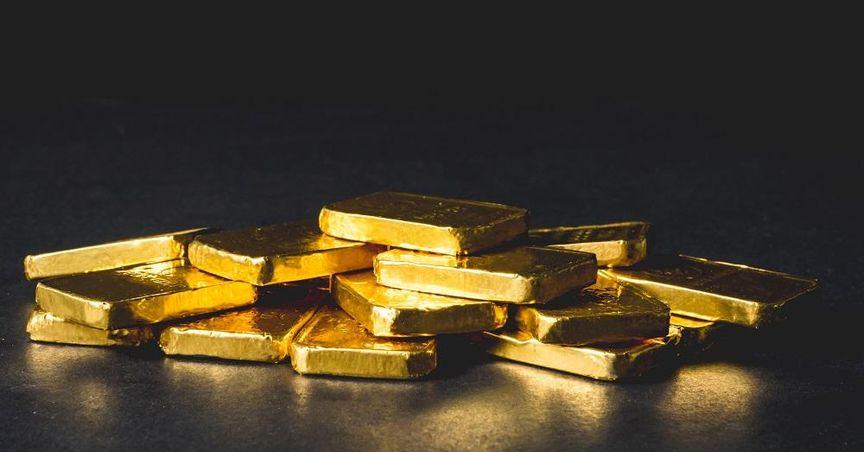
- Gold steadies near $2,892 per ounce as global trade concerns rise.
- US tariffs on China, Mexico, and Canada fuel investor caution.
- Economic slowdown signals increase gold’s appeal as a safe-haven asset.
Gold prices remained firm after a recent uptick, as escalating global trade tensions and economic uncertainties prompted investors to seek safety in the precious metal. The latest market movement comes after the US government reaffirmed its tariff stance, increasing concerns about economic stability and driving demand for gold.
The yellow metal traded close to $2,892 per ounce, holding on to Monday’s 1.2% rise. The upward momentum followed the confirmation that the US would enforce tariffs on trade partners, including Mexico and Canada, without exemptions. Additionally, the decision to double tariffs on China to 20% further rattled global markets. Geopolitical developments also played a role, with reports indicating that the US had paused all military aid to Ukraine, adding another layer of uncertainty for investors.
The impact of these developments extended beyond gold markets. US government bond yields continued to decline, reaching fresh multi-month lows. A key manufacturing survey released earlier in the week signaled slower economic growth, adding to broader concerns. Typically, when bond yields fall, gold becomes more attractive, as it does not generate interest.
After reaching a record high of over $2,950 per ounce on February 24, gold experienced its first weekly decline in 2025 at the end of February. This drop was primarily driven by profit-taking activities. However, analysts at (NYSE:GS) have suggested that ongoing policy uncertainty—particularly concerning trade tariffs—could propel gold prices toward $3,300 per ounce by the end of the year.
Monday’s economic data painted a gloomy picture, with weak housing numbers, rising unemployment claims, and a decline in personal spending. These indicators have fueled speculation that the Federal Reserve may consider interest rate cuts later this year, a move that could further support gold prices. Historically, lower interest rates enhance gold’s appeal as a non-yielding asset, making it a preferred choice during economic downturns.
In broader market movements, spot gold remained steady at $2,891.72 per ounce. The Bloomberg Dollar Spot Index saw a slight dip of 0.1%, while silver and platinum prices remained relatively unchanged. Meanwhile, palladium experienced a minor decline.
As global uncertainties persist, gold continues to be a focal point for investors looking to hedge against economic volatility. The combination of trade tensions, geopolitical developments, and softer economic data suggests that gold’s trajectory will be closely watched in the coming months.
