
 AUS
AUS
 NZ
NZ
 UK
UK
 CA
CA
 USA
USA
 IND
IND




_06_15_2026_08_31_29_563066.jpg)

Highlights
ASX energy stocks are being shaped by renewables, battery storage, gas firming and grid reliability.
AGL Energy, Origin Energy, APA Group, Meridian Energy and Infratil show different exposure across the energy system.
Power demand, generation mix, network assets and retail energy margins remain central sector themes.
ASX energy stocks remain shaped by renewables, battery storage, gas firming, retail energy margins and infrastructure needs across Australia’s changing power system.
The energy sector remains one of the most important areas of the Australian market, covering electricity generation, gas infrastructure, retail energy services, renewable assets, battery storage and network-linked operations. Companies in this sector sit across major benchmarks including ASX 200, and All Ordinaries, making energy transition themes important for wider market coverage.
AGL Energy (ASX:AGL), Origin Energy (ASX:ORG), APA Group (ASX:APA), Meridian Energy (ASX:MEZ) and Infratil (ASX:IFT) represent different parts of the energy system. Their business models span electricity retailing, generation assets, gas pipelines, renewable production, infrastructure ownership and energy market participation.
The energy sector is being reshaped by changes in generation mix. Renewables, batteries and gas firming are now central to how market participants discuss power reliability and future supply needs. The story is no longer only about electricity demand. It is also about how power is produced, stored, transported and delivered to households and businesses.
Electricity markets are becoming more complex as renewable generation expands. Solar and wind assets can increase clean generation capacity, while batteries and gas assets help support system reliability when renewable output changes through the day.
Energy companies now operate in a setting where customers, regulators and market operators are paying close attention to reliability, affordability and system design. These themes shape company updates and sector discussion across the Australian market.
The energy transition also links with capital spending. Generation assets, storage projects, gas infrastructure and grid-related investments require careful funding decisions. This makes balance-sheet discipline and project execution important across the sector.
Renewables and Batteries Shape Market Discussion
Renewable energy has become a major part of Australia’s power system. Solar, wind and hydro generation are increasingly important within the broader electricity mix, creating new requirements for storage, grid planning and flexible generation.
AGL Energy remains closely watched because of its role in electricity generation and retail energy services. Its portfolio places the company near the centre of discussion around coal generation, renewable development, customer accounts and energy market settings.
Origin Energy also plays a major role through electricity, gas and retail services. The company’s position across energy supply and customer-facing operations makes it an important name within the power-system transition.
Battery storage is becoming a larger part of energy market design. Batteries can store power when generation is high and release it when demand changes. This makes storage a key part of discussions around renewable integration and grid stability.
Meridian Energy brings a renewable-focused profile through generation assets and customer operations. Its business helps show how renewable generation companies can differ from diversified retail and gas-linked energy groups.
Infratil adds another infrastructure angle through exposure to energy, utilities and related assets. Infrastructure-focused businesses can sit close to energy transition themes because power-system change often requires large-scale physical assets.
Energy sector discussions also connect with broader market coverage through asx all ords, where utilities, infrastructure, resources and industrial companies sit together within the wider Australian market.
Gas Firming and Infrastructure Remain Important
Gas firming remains an important part of the energy transition discussion. As renewable generation expands, flexible generation sources can help maintain supply when solar or wind output changes.
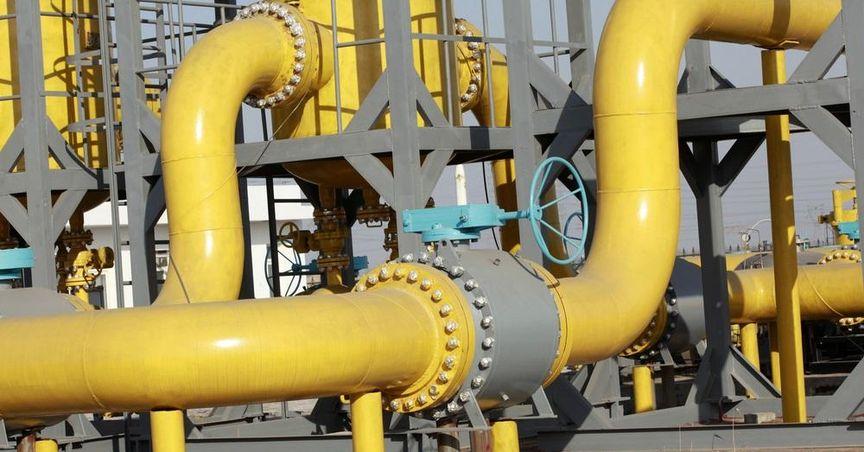
APA Group is closely linked to gas infrastructure through its pipeline and energy asset network. Pipeline operators play an important role in transporting gas across regions and supporting energy users that rely on firm supply.
Gas infrastructure is often discussed alongside electricity reliability because energy systems depend on a mix of generation sources. While renewables are expanding, firming capacity remains part of market design and reliability planning.
AGL Energy and Origin Energy also remain relevant to gas and electricity discussions because of their exposure to customer demand, generation assets and wholesale energy markets.
Infrastructure quality matters across the energy sector. Pipelines, storage assets, grid connections and generation facilities all require ongoing maintenance and capital planning. This makes asset management a central theme for energy companies.
The transition to a changing power system also places attention on operating costs. Energy companies must manage fuel costs, maintenance, project spending, customer systems and compliance requirements.
Market design remains another key theme. Energy pricing, capacity needs, reliability rules and grid access arrangements can influence how companies operate within the system.
Retail Energy Margins and Customer Demand Stay in Focus
Retail energy remains an important part of the sector because households and businesses interact directly with energy providers through electricity and gas accounts.
AGL Energy and Origin Energy maintain large customer bases across Australia. Their retail divisions connect them directly with household budgets, business energy needs and service quality expectations.
Retail energy margins can be shaped by wholesale energy costs, customer pricing, competition, operating costs and regulation. These factors make customer-facing energy businesses different from pure infrastructure or generation-focused companies.
Energy affordability remains a major public topic. Households and businesses pay close attention to electricity and gas bills, making the sector highly visible during periods of cost pressure.
Customer demand is also changing. Rooftop solar, battery adoption, electric appliances and digital energy tools are changing how some households interact with the power system.
Energy retailers increasingly need digital platforms, billing systems and customer support models that can handle more complex energy usage patterns.
Sector discussion can also overlap with income-focused market themes, especially where mature energy and infrastructure businesses have distribution histories. This connects some energy names with broader coverage of ASX dividend stocks.
Power-System Transition Keeps Energy Stocks in View
The power-system transition remains a central theme for ASX energy stocks. Renewables, battery storage, gas firming and infrastructure development are shaping how the sector is viewed across the market.
The ASX 200 energy segment includes companies with very different operating profiles. AGL Energy and Origin Energy are closely linked to retail customers and generation assets. APA Group is connected to gas infrastructure. Meridian Energy is tied to renewable generation. Infratil brings broader infrastructure exposure.
This variety means energy companies should not be viewed as a single group. Each company responds differently to market design, customer demand, asset ownership, capital spending and regulatory settings.
The next reporting periods are likely to keep focus on cash flow, project progress, retail margins, cost control and balance-sheet settings. These company updates help readers understand how energy businesses are managing power-system change.
Energy transition remains a practical market theme because it affects electricity supply, customer bills, infrastructure needs and national energy planning. ASX energy stocks sit directly within this shift as the market evaluates how renewables, batteries, gas and networks work together.
Energy companies remain central to Australia’s changing power landscape, with their operations reflecting the link between generation, storage, infrastructure and everyday energy use.
