
 AUS
AUS
 NZ
NZ
 UK
UK
 CA
CA
 USA
USA
 IND
IND





Highlights
Australian coal producers continue operational activity within regulated energy markets.
Queensland production data remains relevant to thermal and metallurgical coal supply.
ASX-listed energy companies operate within structured disclosure and regulatory frameworks.
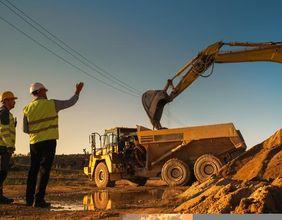
Whitehaven Coal remains part of Australia’s listed energy sector as Queensland production activity continues within regulated market frameworks.
The Australian energy and mining sector represents a significant segment of the domestic resources economy, encompassing coal, gas, uranium, and emerging energy materials. Companies operating within this sector form a substantial part of the ASX stock market and are represented across benchmark indices including the ASX 100, ASX 200, ASX 300, and the All Ordinaries. Coal producers, in particular, occupy a defined position within these indices due to their role in electricity generation and industrial supply chains.
Energy companies listed within these benchmarks operate under established regulatory, environmental, and market frameworks. Their activities include extraction, processing, logistics coordination, and export operations. Whitehaven Coal (ASX:WHC) operates within this environment as a producer with exposure to thermal and metallurgical coal markets, contributing to the broader composition of Australian energy stocks represented across major indices.
Coal Sector Structure and Queensland Production Environment
Australia’s coal sector is characterised by regional production hubs, export infrastructure, and long-standing integration with global energy markets. Queensland remains one of the country’s most prominent coal-producing regions, supporting both domestic energy requirements and international supply chains. Production levels within this region are influenced by operational efficiency, weather conditions, infrastructure availability, and regulatory oversight.
Coal producers operating in Queensland manage a range of mine types and logistical arrangements, including rail networks and port facilities. These operational elements form part of the broader energy supply system and contribute to the sector’s role within ASX mining stocks. Production data from Queensland is therefore closely observed as part of routine market reporting and sector monitoring.
The coal sector also interacts with other industries such as steel manufacturing, power generation, and transportation. These linkages reinforce coal’s position within Australia’s industrial framework and its representation within ASX ordinaries stocks, where energy producers contribute to overall market diversity.
Operational Reporting and Market Disclosure Practices
Australian-listed energy companies operate under continuous disclosure obligations that require timely communication of material operational information. For coal producers, this may include updates on production volumes, operational conditions, and logistical factors affecting output. These disclosures support transparency within the ASX stock market and allow market participants to remain informed about sector activity.
Operational updates related to regional production, including Queensland output, are typically presented as factual reporting rather than interpretive commentary. This approach aligns with exchange requirements and ensures that disclosures focus on observable operational conditions. Coal companies maintain structured reporting processes to support compliance with regulatory standards and investor communication expectations.
The disclosure framework also supports comparability across companies within the sector. By adhering to consistent reporting standards, coal producers contribute to orderly market operation and reinforce confidence in the listed energy segment.
Energy Markets, Supply Chains, and Industry Integration
Coal remains integrated within global energy and industrial supply chains, supporting electricity generation and metallurgical processes. Australian coal producers interact with international customers, shipping operators, and logistics providers as part of routine operations. These interactions place coal companies within a complex network of commercial and regulatory relationships.
Within Australia, coal producers coordinate with rail operators, port authorities, and government agencies to manage supply chain efficiency. These relationships support the movement of coal from mine sites to export terminals and domestic consumers. The integration of these systems highlights the interconnected nature of the energy sector within the national economy.
Banks and financial institutions also play a role by providing transactional services and operational banking support to energy companies. This reinforces the sector’s integration within the broader financial system and links coal producers to other segments of the ASX stock market.
Regulatory Environment and Environmental Oversight
Coal mining operations in Australia are subject to environmental approvals, safety regulations, and land access agreements. Regulatory frameworks govern exploration, production, rehabilitation, and community engagement activities. These requirements apply uniformly across energy companies listed on the exchange.
Queensland coal producers operate under state and federal oversight, with compliance obligations related to environmental management and workplace safety. These frameworks ensure that production activities align with statutory standards and community expectations.
Governance structures within coal companies support regulatory compliance through defined responsibilities at board and executive levels. These structures reinforce accountability and operational discipline across the sector.
Dividend Context and Sector Characteristics
Within the broader energy sector, dividend practices vary depending on company maturity, capital structure, and regulatory considerations. Established producers may be referenced alongside ASX dividend stocks, reflecting income distribution frameworks governed by internal policies and regulatory requirements.
Coal companies included in major indices contribute to sector balance by providing exposure to traditional energy sources alongside emerging alternatives. Their presence within indices such as the ASX 200 and ASX 300 reflects scale and liquidity rather than short-term operational changes.
Dividend-related considerations form part of the broader financial profile of energy companies but remain subject to board oversight and compliance frameworks.
Positioning of Coal Companies Within ASX Indices
ASX indices provide structured representation of Australia’s listed companies across sectors and operational stages. Coal producers feature prominently within energy classifications due to their economic significance and established infrastructure.
Inclusion within the ASX 100, ASX 200, ASX 300 places coal companies alongside financial institutions, industrial firms, and technology providers, illustrating the diversified nature of the Australian equity market. The All Ordinaries further broadens this representation by capturing a wide range of listed entities.
Coal companies operating within these indices reflect established business models, regulatory alignment, and sustained participation in public markets. Their activities contribute to the overall composition and functionality of Australian equities.
