
 AUS
AUS
 NZ
NZ
 UK
UK
 CA
CA
 USA
USA
 IND
IND




_05_16_2023_17_11_27_393572.jpg)

Highlights
New Hope outlines adjustments in production and revenue allocation mix.
Asset contribution shifts across coal operations.
Activity continues within the ASX 200 and ASX 300 energy segment.
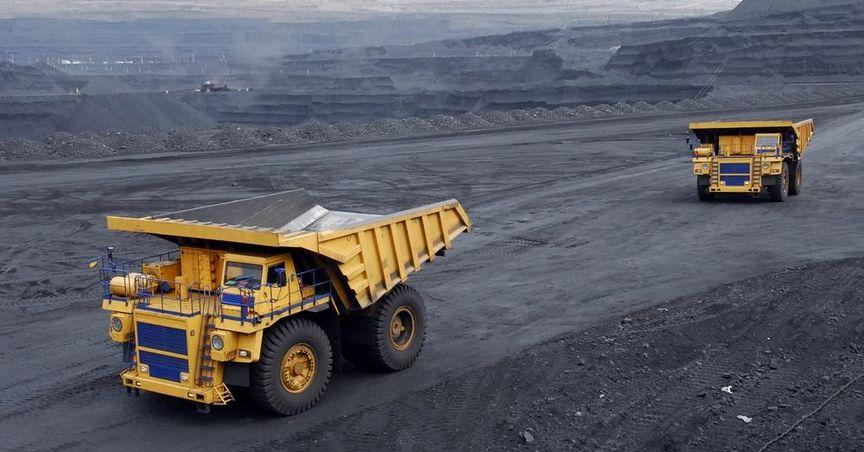
New Hope updates production and revenue allocation mix, reflecting evolving mine contribution within the ASX 200 and ASX 300 energy sector.
Australia’s coal and broader energy industry forms an important segment of the ASX stock market, bringing together companies involved in resource extraction, processing, and export logistics. Energy producers are represented across key benchmarks including the ASX 200 and the ASX 300, alongside the All Ordinaries. Within this structure, coal mining companies contribute to domestic power generation and overseas thermal coal demand.
New Hope Corporation Limited (ASX:NHC) operates within the thermal coal segment and is included in both the ASX 200 and ASX 300 indices. The company has highlighted adjustments in its production composition and revenue allocation profile, drawing attention to evolving asset contribution across its mining portfolio. These refinements reflect operational management decisions rather than structural transformation.
Coal mining activities include excavation, haulage, crushing, washing, blending, and shipment to customers. Production composition refers to how individual mines and coal grades contribute to consolidated output. Revenue allocation describes how volumes are distributed between domestic utilities and export markets under existing contractual arrangements.
Variations in these elements are influenced by mine sequencing, plant throughput, rail coordination, and port scheduling. Such adjustments are common in diversified resource portfolios.
Asset-Level Contribution and Production Composition
New Hope’s portfolio comprises multiple mining operations, each characterised by specific geological settings and infrastructure layouts. The share of output delivered by each site can vary depending on pit development and equipment deployment.
Thermal coal extraction is shaped by stripping activity, truck and shovel productivity, and processing plant reliability. Mine planning teams revise extraction sequencing to align with operational targets and quality parameters.
As new sections of resource areas are accessed, the mix of coal qualities delivered to processing facilities can shift. Calorific value and impurity levels influence blending decisions prior to shipment.
Within the broader universe of ASX mining stocks, coal producers represent a defined component of the materials and energy allocation. Operational disclosures regarding output composition provide insight into how site-level dynamics affect consolidated performance.
Companies listed within the ASX 200 and ASX 300 frequently communicate updates that outline production adjustments tied to mine sequencing and infrastructure availability.
Revenue Allocation Across Domestic and Export Markets
Coal volumes produced by New Hope are allocated between Australian power generators and overseas customers. Revenue allocation reflects contractual commitments and logistical coordination across supply chains.
Export shipments depend on rail transport, port capacity, and vessel scheduling. Domestic deliveries are aligned with electricity demand and generation requirements.
Changes in allocation patterns can occur due to adjustments in shipment timing, mine output balance, or customer scheduling. These shifts are part of routine operational coordination within the coal industry.
The All Ordinaries index captures companies from financial services, healthcare, industrials, and resources, with coal producers forming part of the energy representation.
Energy supply chains integrate mine sites, rail corridors, and export terminals. Adjustments in allocation reflect synchronisation across these interconnected systems.
Operational Environment in the Coal Sector
Coal mining operations function within regulatory frameworks governing environmental management, safety compliance, and community engagement. Mine planning incorporates rehabilitation programs and emissions control measures.
Processing facilities typically include crushing stations, washing plants, stockpile areas, and blending systems designed to maintain product consistency. Quality control ensures shipments meet contractual specifications.
Blending strategies are implemented to maintain stable calorific values and impurity thresholds across deliveries. Operational teams monitor product characteristics to align with end-user requirements.
Within the broader ASX stock market, energy companies operate alongside financial institutions and diversified industrial groups. Coal remains a longstanding contributor to Australia’s export activity.
While firms categorised as ASX dividend stocks may focus on established distribution models, coal producers prioritise extraction efficiency and logistical alignment.
Position Within the ASX 300 Framework
Within the ASX 300, coal producers contribute to overall index composition across the energy and materials sectors. Adjustments in production composition reflect operational recalibration rather than a change in business direction.
Energy markets are shaped by electricity consumption patterns, industrial demand, and international trade flows. Coal mining companies adapt extraction sequencing and allocation strategies to align with these conditions.
New Hope’s evolving output balance demonstrates how asset-level decisions influence the overall mix of coal delivered from different operations. The proportion contributed by each mine may shift depending on geological progression and infrastructure constraints.
Such developments are integrated into routine operational reporting. They illustrate how diversified coal portfolios are managed within dynamic logistical and market environments.
The Australian exchange continues to host companies across sectors including banking, healthcare, manufacturing, and resources. Coal producers remain integrated within this landscape through ongoing extraction, processing, and distribution activity.
