
 AUS
AUS
 NZ
NZ
 UK
UK
 CA
CA
 USA
USA
 IND
IND







Highlights
- Energy sector impacted as OPEC+ delays production hikes.
- Companies like Woodside Energy (WDS) and Santos (STO) see share declines.
- Brent crude prices dip amid global demand uncertainties.
Energy stocks on the ASX faced pressure following news that the Organization of the Petroleum Exporting Countries and allies, collectively known as OPEC+, delayed their planned oil production hikes by three months. This decision comes as the group navigates softening global demand and increased production by non-OPEC members, pushing the full unwinding of oil production cuts to the end of 2026.
OPEC+, which accounts for around half of the world’s oil production, announced it would postpone output increases until April while extending production limits to stabilize the market. The move reflects concerns over a potential oversupply and issues with compliance among member nations.
Major oil and gas players on the ASX reacted to this development. Shares of Woodside Energy (ASX:WDS) fell, sliding by 1.8%, while Santos (ASX:STO) and Karoon Energy (ASX:KAR) recorded dips of 0.9% each. Ampol (ASX:ALD) saw a marginal decrease of 0.2%, while Beach Energy (ASX:BPT) bucked the trend, gaining 0.8% as of 1:40 PM AEDT.
The energy sector overall recorded a decline of 1.07%, making it the second-worst-performing sector of the day, as the broader ASX market fell by 0.4%.
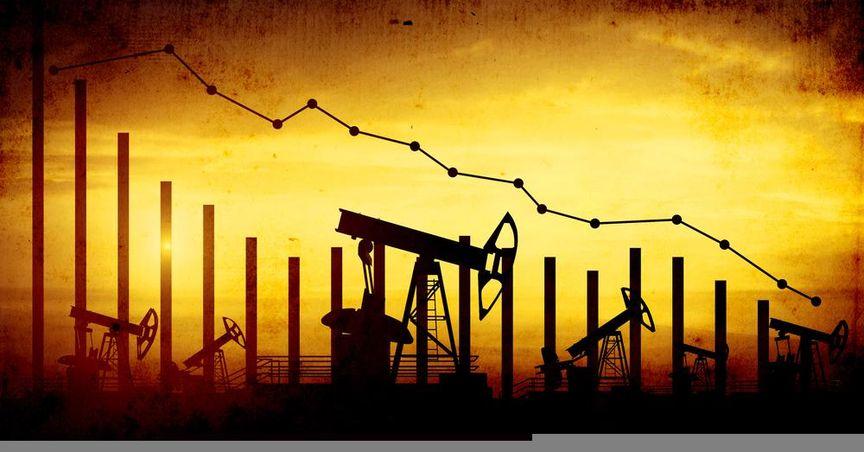
In the global oil market, prices also softened. Brent crude fell by 0.26% to US$71.90 per barrel, while West Texas Intermediate declined by 0.22% to US$68.15. Analysts attribute this to weakening global demand, led primarily by a slowdown in China’s economic activity.
Experts pointed out that the production delays signify caution within OPEC+ as the group strives to balance the market amid challenges. Mukesh Sahdev, head of oil analysis at Rystad Energy, commented on the announcement, noting it reflects concerns over a potential supply glut and inconsistent compliance with production quotas.
The energy market’s outlook remains tied to how OPEC+ and other major oil producers respond to changing demand dynamics. The extended timeline for production increases aims to prevent further market instability, though it underscores the challenges faced by the sector.
For companies in the Australian energy space, the news adds another layer of complexity to market conditions already influenced by fluctuating oil prices and global economic uncertainties.
