
 AUS
AUS
 NZ
NZ
 UK
UK
 CA
CA
 USA
USA
 IND
IND


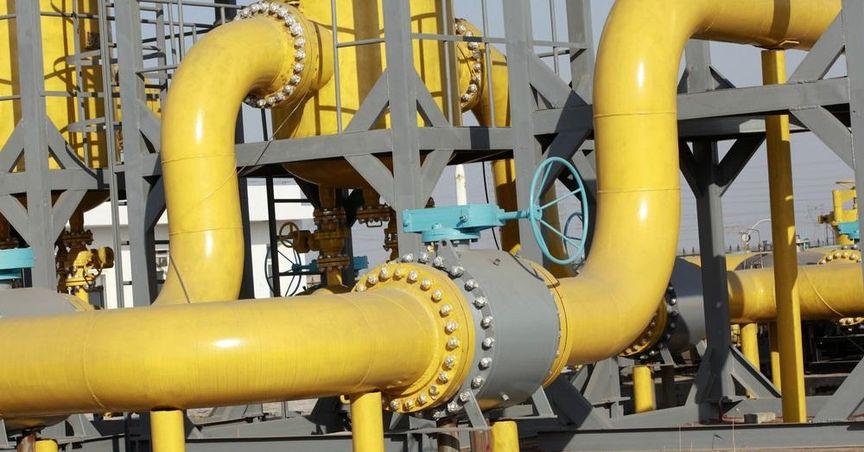





Highlights
• Energy market developments influence sentiment across Australian equities.
• Monetary policy discussions remain a key focus for financial markets.
• Resource and banking sectors remain central within the Australian market structure.
Energy developments and monetary policy discussions influence sentiment across Australian equities as resource, financial, and industrial sectors interact within the broader ASX market environment.
The energy and resource sector represents a major component of Australia’s financial markets. Companies involved in energy production, mining operations, and commodity exports play a significant role in shaping the overall direction of Australian equities. These industries operate within the broader framework of major market indices such as the ASX 200, which includes companies across sectors such as banking, resources, infrastructure, and industrial manufacturing.
Energy markets often influence financial conditions because commodities such as oil and natural gas are closely linked with global industrial activity. Shifts in energy trading patterns may affect production costs, transportation systems, and supply chains across several industries.
Woodside Energy Group Ltd (ASX:WDS) operates within the global energy sector through exploration, development, and production of natural gas and petroleum resources. Companies involved in large-scale energy production frequently contribute to the broader commodity ecosystem that supports industrial activity across international markets.
Energy developments frequently interact with economic policy discussions. Monetary authorities monitor commodity conditions and inflation trends when assessing economic stability. Energy markets therefore remain connected with broader financial conditions.
Within the wider Australian equities ecosystem represented by the asx all ords, companies involved in energy production participate alongside sectors including banking, healthcare, industrial manufacturing, and technology.
Monetary Policy Discussions and Market Activity
Central bank policy decisions remain an important influence on financial markets. Monetary authorities manage interest rate settings and financial system liquidity to maintain economic stability and manage inflation pressures.
The Reserve Bank of Australia performs a central role in guiding monetary policy across the Australian economy. Decisions relating to interest rate settings affect borrowing costs, financial system liquidity, and broader economic activity.
Financial markets frequently monitor policy discussions ahead of central bank meetings. Investors observe economic indicators including employment conditions, consumer spending patterns, and commodity market activity when evaluating monetary policy environments.
Interest rate policy also affects sectors such as housing construction, infrastructure development, and business investment. Companies operating across banking, property development, and industrial manufacturing often respond to changes in financial conditions.
Banking institutions represent a major segment within the Australian equities landscape. These organisations provide lending services, financial infrastructure, and capital access supporting households and businesses throughout the national economy.
Within the broader Australian market structure represented by the ASX 100, large financial institutions operate alongside resource companies and industrial firms that collectively contribute to the domestic market environment.
Resource Sector and Commodity Market Dynamics
Australia remains a prominent participant within global commodity markets due to its significant mineral and energy resources. Mining companies and energy producers export commodities including iron ore, coal, and natural gas to international markets through extensive shipping networks.
Resource extraction operations often involve complex infrastructure including mining sites, rail transport systems, processing facilities, and port export terminals. These systems enable commodities to move from production sites to international customers.
Commodity markets remain closely linked with global industrial demand. Manufacturing industries require raw materials such as iron ore and metallurgical coal for steel production, while natural gas and oil support electricity generation and transportation systems.
Energy commodities also play a role within international trade networks connecting producing regions with energy-importing economies. Maritime shipping routes facilitate the transportation of crude oil, refined fuels, and liquefied natural gas across international markets.
Within Australia’s broader equities landscape represented by the ASX 300, companies involved in resource extraction operate alongside infrastructure providers and industrial manufacturers supporting commodity supply chains.
Mining and energy companies occasionally appear within discussions surrounding ASX dividend stocks, reflecting the importance of resource producers within Australia’s corporate landscape.
Global Market Interactions and Economic Conditions
Financial markets across different regions operate within an interconnected global system. Developments in energy markets, commodity trading, and economic policy decisions often influence market conditions across multiple international exchanges.
Global equity markets frequently respond to developments in energy supply conditions, geopolitical events, and economic indicators released by major economies. These factors may influence currency movements, commodity trading patterns, and investment flows.
Energy markets remain particularly influential because oil and natural gas represent essential inputs used in industrial production and transportation systems worldwide. Changes in energy supply conditions may therefore affect economic activity across several sectors.
International financial institutions and investment funds frequently monitor developments within global commodity markets and economic policy frameworks. Market participants evaluate economic signals when allocating capital across global financial assets.
Australia’s market structure reflects the presence of companies operating across resource extraction, financial services, healthcare, technology, and infrastructure sectors. These industries collectively contribute to the country’s participation in global financial markets.
The diversified composition of the Australian market environment demonstrates how multiple industries interact within the financial system. Banking institutions provide financial infrastructure, resource companies supply commodities to global markets, and industrial firms support manufacturing and infrastructure development.
Sector Diversity within Australian Equities
The Australian equities market includes companies operating across numerous sectors including financial services, mining, energy production, healthcare, technology, telecommunications, and consumer retail. Each industry contributes to the structure of benchmark indices.
Industrial companies operating in manufacturing and engineering sectors support infrastructure construction and equipment production used across economic activities. These businesses provide machinery, materials, and engineering expertise required for large-scale projects.
Technology companies represent another component within the market landscape. Digital communication services, software development firms, and cloud computing infrastructure providers contribute to the digital economy.
Healthcare organisations operate across pharmaceutical research, medical technology development, and healthcare services supporting public and private healthcare systems.
Retail companies serve consumer markets through physical stores, online commerce platforms, and logistics networks responsible for delivering goods across households and businesses.
Participation across these sectors illustrates the diverse composition of the Australian financial system. Companies from different industries collectively contribute to economic activity and the performance of benchmark market indices.
