
 AUS
AUS
 NZ
NZ
 UK
UK
 CA
CA
 USA
USA
 IND
IND







Highlights
Conrad Asia Energy operates within the upstream oil and gas exploration and development sector.
The company maintains a project portfolio focused on conventional gas assets in Asia.
Conrad Asia Energy holds representation within the All Ordinaries index.
Conrad Asia Energy operates within the upstream gas sector, advancing offshore development activities in Southeast Asia while maintaining representation within the All Ordinaries index.
The upstream energy sector includes companies engaged in the identification, appraisal, and development of oil and gas resources across onshore and offshore basins. This segment of the energy industry supports power generation, industrial activity, and regional energy security through the supply of hydrocarbons to domestic and international markets. Conrad Asia Energy operates within this upstream energy environment and maintains representation within the All Ordinaries, reflecting participation in Australia’s broad listed equity market.
Upstream energy companies typically focus on geological evaluation, seismic interpretation, and staged development planning aligned with regulatory and commercial frameworks. Conrad Asia Energy (ASX:CRD) functions within this model, concentrating on conventional gas projects located in established offshore basins across Southeast Asia. These activities align with operational practices commonly observed within the regional oil and gas industry.
The upstream energy sector operates alongside other industries represented within the ASX stock market, including financial services, healthcare, industrials, consumer sectors, mining, and infrastructure. This diverse market composition highlights the role of energy producers within Australia’s listed company ecosystem.
Gas-Focused Project Portfolio and Regional Exposure
Conrad Asia Energy’s project portfolio is oriented toward conventional natural gas assets located in offshore environments within Southeast Asia. Gas-focused projects typically involve a sequence of exploration, appraisal, and development phases supported by geological and geophysical studies.
Offshore gas projects require detailed subsurface interpretation, reservoir characterisation, and engineering design. Development planning integrates drilling programs, subsea infrastructure concepts, and export pathway evaluation aligned with host country regulatory regimes.
Regional exposure across Asia involves engagement with national regulators, joint venture partners, and local service providers. Companies operating in these jurisdictions implement governance and compliance systems designed to align with production sharing contracts, environmental approvals, and maritime regulations.
Gas assets within Southeast Asia are commonly linked to domestic power generation, industrial demand, and liquefied natural gas export frameworks. Project positioning within these markets reflects long-established regional energy consumption patterns without implying directional outcomes.
Conrad Asia Energy’s regional presence positions the company among energy-focused entities distinct from commodities typically associated with ASX mining stocks, highlighting the different operational dynamics of hydrocarbon development.
Exploration, Appraisal, and Development Frameworks
Upstream gas development follows a structured framework beginning with exploration activities designed to identify hydrocarbon accumulations. These activities include seismic acquisition, geological modelling, and exploratory drilling.
Following discovery, appraisal programs are conducted to assess reservoir extent, deliverability, and technical characteristics. Appraisal drilling and testing generate data used to inform development concepts and infrastructure planning.
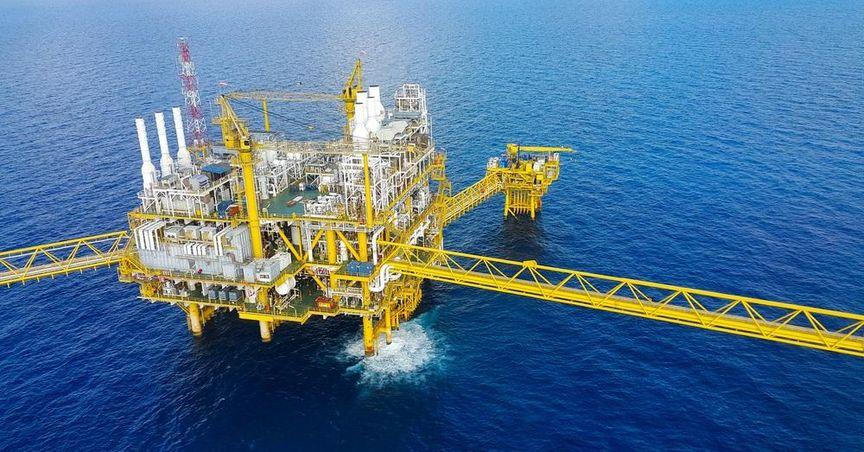
Development frameworks integrate reservoir engineering, facilities design, and environmental management planning. Offshore developments may involve platforms, subsea systems, pipelines, and processing facilities depending on field characteristics.
Project progression occurs within regulatory approval processes governing environmental impact, safety standards, and resource management obligations. These frameworks ensure alignment with host country policies and international industry standards.
Such staged development models are characteristic of upstream gas projects globally and form the operational basis for Conrad Asia Energy’s activities.
Corporate Governance, Regulatory Compliance, and Oversight
Energy companies operating in offshore jurisdictions are subject to governance frameworks shaped by corporate law, petroleum regulation, and environmental oversight. Listed entities implement governance systems designed to support transparency, accountability, and compliance with disclosure obligations.
Corporate governance structures include board oversight, executive management accountability, and internal control mechanisms. These systems support strategic direction, operational supervision, and regulatory engagement across multiple jurisdictions.
Environmental compliance is a central component of offshore gas operations. Companies adhere to environmental management plans addressing marine ecosystems, waste handling, and emergency response preparedness.
Operational oversight extends to workplace safety systems, contractor management, and equipment certification. Offshore environments require stringent safety protocols aligned with international maritime and petroleum standards.
These governance and compliance structures distinguish upstream energy developers from income-oriented entities often referenced within ASX dividend stocks, reflecting the operational and regulatory complexity of hydrocarbon projects.
All Ordinaries Representation and Broader Market Context
The All Ordinaries index represents a broad cross section of Australian listed companies spanning multiple sectors and market capitalisation profiles. Inclusion within this index reflects participation in the national equity market rather than any implied operational trajectory.
Conrad Asia Energy’s presence within the All Ordinaries places it among companies operating across energy, mining, financial services, healthcare, industrials, and consumer sectors. This diversity illustrates the wide scope of economic activity represented within Australia’s listed market structure.
Energy companies contribute to index composition by reflecting activity linked to resource development, infrastructure investment, and regional energy supply. Their inclusion highlights the continued relevance of upstream hydrocarbons within the Asia-Pacific energy system.
The integration of gas-focused developers within the All Ordinaries underscores the role of energy resources in supporting industrial activity, electricity generation, and economic development across regional markets.
