
 AUS
AUS
 NZ
NZ
 UK
UK
 CA
CA
 USA
USA
 IND
IND






Highlights
- Beach Energy has steadied as the energy sector regains composure after sharp swings in global crude prices.
- Strong domestic gas exposure keeps the producer closely tied to Australia's east-coast energy security discussion.
- Producers, refiners and fuel retailers continue to reflect different parts of Australia's evolving energy landscape.
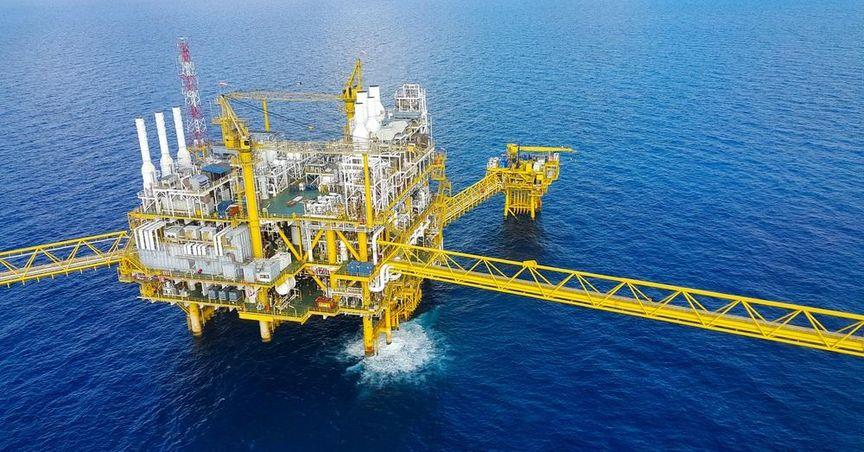
Australia's share market has witnessed renewed focus on energy companies after global oil prices experienced sharp swings driven by geopolitical developments. Beach Energy (ASX:BPT), an Australian oil and gas producer with diversified onshore and offshore operations, has emerged as one of the companies drawing attention as the sector settles into a more stable rhythm. As a constituent of the ASX 200, the company reflects how Australia's energy sector is balancing global oil volatility with the resilience offered by domestic gas production. Beach Energy also sits within the broader ASX Energy Stocks category, highlighting its relevance in Australia's evolving energy landscape.
Oil Market Volatility Reshapes Sector Sentiment
Global crude markets recently experienced one of their more volatile trading periods after geopolitical concerns surrounding a key international shipping route triggered fears of supply disruptions. Oil prices climbed rapidly before easing once immediate concerns subsided.
While these movements originated far from Australian shores, they quickly influenced sentiment across listed energy companies. Producers with greater exposure to international oil prices experienced stronger market reactions, while businesses with diversified revenue streams appeared comparatively steadier.
For Beach Energy, the episode reinforced the advantages of operating across both oil and natural gas markets rather than relying on a single commodity.
Domestic Gas Provides an Important Foundation
Although crude oil often dominates global headlines, domestic natural gas continues to play a critical role within Australia's energy system.
The east-coast gas market has remained a central topic in industry and policy discussions as governments and businesses continue working through long-term supply challenges. Manufacturers, commercial users and households all depend on reliable gas availability, particularly during periods of higher seasonal demand.
Beach Energy's significant domestic gas operations provide an important layer of business diversification. Unlike internationally traded oil, domestic gas pricing is influenced by local infrastructure, regional supply conditions and Australian policy settings, creating a different operating environment from global crude markets.
This balance gives the company exposure to two distinct energy markets that often respond differently to changing economic and geopolitical conditions.
A Sector That Extends Beyond Producers
Australia's energy industry stretches well beyond companies extracting oil and gas from underground reservoirs.
Ampol (ASX:ALD), one of Australia's largest fuel suppliers and refiners, operates an extensive national fuel distribution and retail network supplying motorists and commercial transport operators.
Viva Energy (ASX:VEA), another major integrated fuel supplier and refiner, also plays a significant role in Australia's downstream fuel market through refining, distribution and retail operations.
Unlike upstream producers, downstream businesses are generally influenced by refining margins, fuel consumption trends and retail activity rather than simply movements in crude oil prices.
Together, producers, refiners and retailers demonstrate how Australia's energy value chain spans every stage of productionfrom exploration and extraction through to the service station forecourt.
Why Diversification Matters During Commodity Cycles
Commodity industries are naturally cyclical.
Oil prices respond rapidly to international developments including geopolitical events, production decisions by major exporting nations, shipping disruptions and changing economic activity.
Natural gas markets, particularly domestic Australian markets, often follow a different pattern shaped by local production, transportation infrastructure and regional demand.
For companies operating across both markets, these different revenue streams can help moderate the impact of sudden swings affecting only one commodity.
While no energy producer is immune from broader market volatility, diversification offers greater operational flexibility during periods of uncertainty.
The East-Coast Energy Story Continues
Australia's domestic gas market remains one of the country's most strategically important energy sectors.
Reliable gas supply supports electricity generation, industrial manufacturing and residential energy consumption. As policymakers continue focusing on long-term energy security, producers capable of supplying the domestic market remain central to the national conversation.
Beach Energy's east-coast gas exposure places it within this broader discussion while maintaining participation in international oil markets through its petroleum operations.
That combination allows the business to participate in two distinct segments of the energy industry simultaneously.
Financial Discipline Becomes Increasingly Important
Volatility often highlights the importance of operational discipline rather than simply commodity exposure.
Energy companies with efficient operations, measured capital allocation and balanced financial structures are generally better positioned to navigate periods of fluctuating commodity prices.
For mid-sized producers, maintaining flexibility allows continued investment across producing assets while adapting to changing market conditions.
Operational resilience often becomes just as important as the underlying quality of oil and gas reserves during periods of market uncertainty.
Downstream Businesses Continue to Evolve
Refining and fuel retail businesses face their own set of industry dynamics.
Refining margins fluctuate alongside global supply conditions, while fuel demand is increasingly influenced by transport activity, consumer behaviour and the gradual evolution of Australia's vehicle fleet.
Many downstream operators have expanded beyond traditional fuel retailing by strengthening convenience offerings and investing in alternative energy infrastructure.
These developments illustrate how Australia's energy sector continues adapting while maintaining its essential role within the broader economy.
Energy Sector Regains Composure
Following the recent period of heightened volatility, the broader energy sector has shown signs of stabilisation as attention shifts back towards underlying business fundamentals rather than geopolitical headlines.
Companies with diversified operations across multiple parts of the energy value chain have demonstrated different responses depending on their exposure to oil production, natural gas, refining or fuel retailing.
Beach Energy's combination of domestic gas production and oil assets places it among the companies reflecting this broader transition as the sector gradually returns its focus to long-term operating performance rather than short-term commodity swings.
The recent market episode has also reinforced an important lesson for the wider energy industry: while global oil prices can change rapidly, diversified operations across multiple energy markets can provide greater stability as businesses navigate changing conditions.
