
 AUS
AUS
 NZ
NZ
 UK
UK
 CA
CA
 USA
USA
 IND
IND






Highlights
Paladin Energy reflects uranium sector developments in Australian equities.
Global energy dynamics support attention on uranium-focused companies.
Resource sector activity contributes to broader market composition.
Paladin Energy reflects uranium sector activity within the ASX 300 and All Ordinaries, highlighting how global energy demand and mining operations shape trends in Australian equities.
The resources sector plays a central role in Australian equities, encompassing companies involved in mining, exploration, and energy-linked commodities. Within indices such as the ASX 300 and the broader All Ordinaries, uranium-focused companies form a specialised segment tied to global energy demand and infrastructure development. This segment reflects a combination of exploration firms and companies progressing toward operational production.
Paladin Energy Limited (ASX:PDN) operates within this uranium-focused segment, concentrating on mining and project development activities across its portfolio. The company’s operations highlight the role of uranium producers in contributing to global energy supply chains. Developments within this sector often attract attention due to the connection between uranium production and nuclear energy requirements.
The uranium sector’s presence within Australian equities is shaped by exploration activity, operational progress, and international energy trends. This framework supports its influence on broader market composition and sector dynamics.
Operational Activity and Project Development
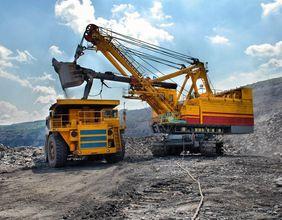
Paladin Energy’s operations are centred on uranium mining and project advancement, involving extraction processes and infrastructure development linked to its key assets. Mining projects within this segment typically progress through stages including exploration, feasibility planning, and operational execution, reflecting the complexity of resource development.
The company’s flagship operations have been associated with uranium production activities in regions known for established mining infrastructure. These projects involve coordination across technical, logistical, and regulatory frameworks, highlighting the multifaceted nature of mining operations.
Operational updates related to uranium projects often provide insight into production activity, resource management, and infrastructure utilisation. These developments reflect how companies navigate operational requirements while maintaining alignment with global demand for energy-related commodities.
Within the broader market landscape, project-level developments contribute to the representation of mining companies in indices such as the asx all ords, reflecting how sector activity shapes overall market trends.
Global Uranium Demand and Energy Dynamics
The uranium sector operates within a global context where demand is closely linked to nuclear energy production and long-term energy strategies. Uranium serves as a critical component in electricity generation through nuclear power, connecting mining activity to broader energy infrastructure.
Paladin Energy’s operations align with these global dynamics, where uranium production supports energy supply chains across multiple regions. Demand for nuclear energy is influenced by factors such as energy security considerations, environmental policies, and technological advancements in power generation.
Energy dynamics continue to evolve as countries assess their energy mix and infrastructure requirements. Uranium producers operate within this environment, responding to shifts in demand and regulatory frameworks that influence sector activity.
The interaction between uranium supply and global energy needs underscores the importance of this sector within the broader economic landscape. Companies engaged in uranium mining contribute to long-term energy planning and infrastructure development.
Sector Diversification and Market Composition
The Australian equity market is characterised by its sectoral diversity, with resource companies forming a significant component alongside financials, healthcare, and technology. This diversity supports a balanced representation of economic activity, allowing different industries to contribute to the overall structure of the market.
Uranium-focused companies such as Paladin Energy operate within this diversified framework, complementing other segments of the resource sector. Their activities highlight the range of commodities represented within Australian equities, reflecting the complexity of the market environment.
In addition to resource-driven companies, thematic segments such as ASX dividend stocks contribute to the broader equity landscape. These segments reflect different approaches to capital allocation and market participation, adding depth to the overall structure of the market.
The combination of multiple sectors and themes creates a comprehensive framework for understanding market dynamics. It underscores how different industries interact within the equity market, shaping overall trends and developments.
Evolving Trends in Uranium and Equity Markets
The uranium sector continues to evolve as companies adapt to changing energy requirements, technological advancements, and global developments. Producers and exploration firms operate within a dynamic environment where operational efficiency and project progression remain central to sector activity.
Paladin Energy’s ongoing operations reflect these broader trends, highlighting the importance of uranium production within global energy supply chains. Developments in mining operations and infrastructure demonstrate how companies align their strategies with evolving market conditions.
Market composition continues to shift as sectors respond to global influences and domestic developments. The inclusion of uranium companies within indices such as the asx all ords highlights their role in shaping the overall equity landscape.
The interaction between energy-focused commodities and other sectors underscores the dynamic nature of the Australian equity market. Companies across industries contribute to ongoing developments, reflecting the evolving composition of the market.
