
 AUS
AUS
 NZ
NZ
 UK
UK
 CA
CA
 USA
USA
 IND
IND






Highlights:
Paladin Energy Ltd saw a significant drop in its share price, falling 54% since May 2024.
A decline in global uranium prices, alongside operational challenges at the Langer Heinrich Mine, contributed to the downturn.
The company revised its production guidance for fiscal year 2025, citing ongoing difficulties in ramping up operations.
Paladin Energy Ltd (ASX:PDN) , a key player in the S&P/ASX 200 Index, experienced a notable decline in its share price after a strong run earlier in 2024. The company’s shares reached a high of $17.80 per share on 21 May 2024, representing a 150% increase over the prior 12 months. However, by the time of writing, the stock had fallen to $8.24, marking a 54% drop from that peak, reflecting a broader retreat in uranium prices and company-specific setbacks.
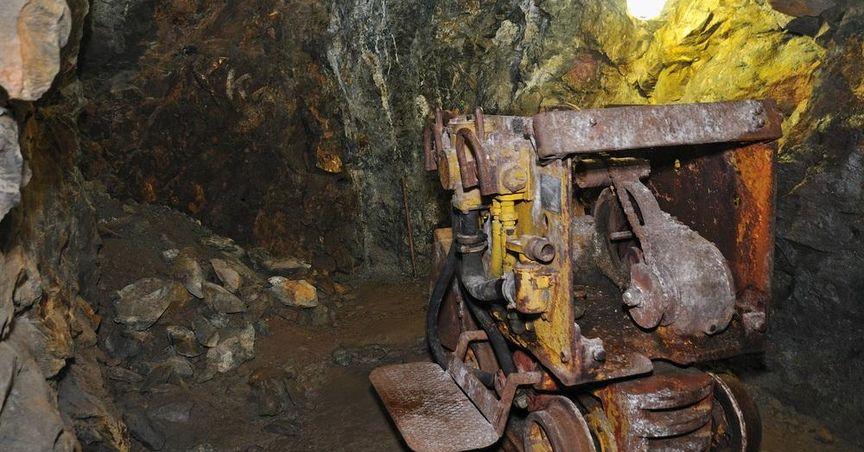
Uranium prices have been a significant factor in this downturn. In mid-May, uranium traded at US$94 per pound, but it has since retraced to US$78 per pound, representing a 17% decline. This drop in global uranium prices has affected the financial performance of uranium producers like Paladin Energy. However, the company also faced internal challenges, particularly in ramping up production at its Langer Heinrich Mine in Namibia.
Paladin Energy recently downgraded its production guidance for fiscal year 2025, reducing its projected output from 4-4.5 million pounds of uranium to 3-3.6 million pounds. This revision followed lower-than-expected production results in October and ongoing issues in scaling up operations at the mine. The company also withdrew its other fiscal year 2025 guidance, raising concerns about its operational stability.
The stock's sharp decline in November, following the update on Langer Heinrich Mine's operations, further highlighted these challenges. A 28.9% drop in the share price on 12 November reflected investor concerns about the company’s ability to meet its production goals. The slower-than-anticipated ramp-up and higher-than-expected operating costs have led analysts to caution against the stock in the short term. However, the company’s management remains optimistic that production will improve in the second half of 2025 as higher-grade ore is processed.
