
 AUS
AUS
 NZ
NZ
 UK
UK
 CA
CA
 USA
USA
 IND
IND







Highlights
• Global geopolitical developments influence sentiment across Australian equities.
• Energy and resource companies often respond to international commodity market changes.
• Financial markets monitor geopolitical conditions affecting trade and supply chains.
Global geopolitical developments influence sentiment across Australian equities as energy markets, resource exports, and international trade networks interact within the broader ASX market environment.
The Australian share market operates within a global financial ecosystem where geopolitical developments, commodity markets, and economic conditions frequently influence investor sentiment. Companies listed across various industries participate in this dynamic environment, contributing to the overall structure of benchmark indices such as the ASX 200. These indices represent companies operating in sectors including resources, financial services, healthcare, telecommunications, and industrial manufacturing.
Woodside Energy Group Ltd (ASX:WDS) operates in the global energy sector, participating in exploration, production, and supply of oil and natural gas resources. Energy companies such as Woodside frequently experience market attention when geopolitical developments influence global energy supply routes and commodity markets.
International conflicts and geopolitical events may affect transportation routes, trade conditions, and supply networks associated with energy commodities. These developments sometimes influence market sentiment across multiple financial markets including Australia’s equities environment.
Within the wider Australian equities ecosystem represented by the asx all ords, companies across mining, banking, healthcare, industrial manufacturing, and telecommunications operate together within a diversified market structure.
Energy Markets and Commodity Supply Networks
Energy markets represent a significant component of the global economic system because petroleum and natural gas serve as essential inputs for transportation, electricity generation, and industrial production. Changes in global energy supply conditions may influence trading patterns across commodity markets.
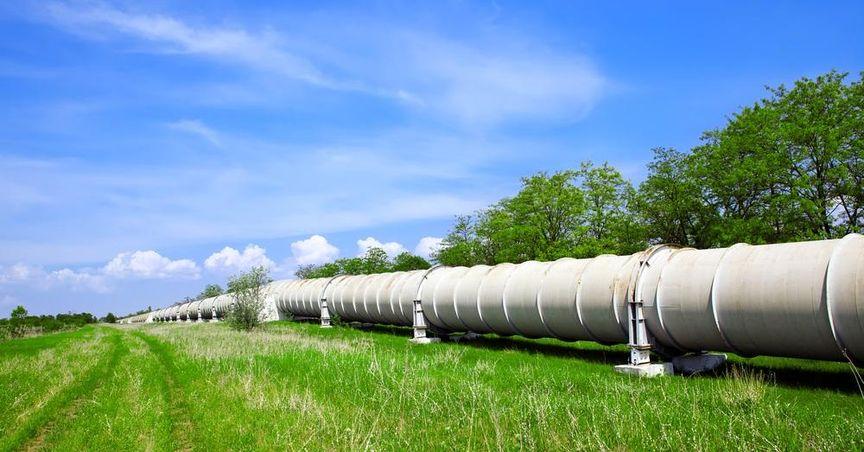
Oil transportation relies heavily on maritime shipping routes connecting producing regions with global energy importers. Shipping corridors within strategic maritime zones support the movement of crude oil and liquefied natural gas across international markets.
When geopolitical developments occur in regions associated with energy transportation routes, market participants frequently monitor the potential implications for global supply networks. Shipping operators, energy companies, and logistics firms remain connected through these global energy distribution systems.
Energy producers coordinate with refining facilities, transportation providers, and commodity trading organisations to ensure that energy products move efficiently through international supply chains.
Australia participates in these markets through the production and export of energy resources including natural gas. Export terminals located along Australia’s coastline transport energy commodities to international markets.
Within the broader market environment represented by the ASX 100, energy producers operate alongside banking institutions, mining companies, and healthcare organisations that collectively contribute to the Australian economic framework.
Financial Markets and Global Economic Conditions
Financial markets frequently respond to global developments that influence economic conditions, trade networks, and commodity markets. Stock exchanges across different regions interact through interconnected financial systems where information travels rapidly between market participants.
International developments can influence market sentiment when investors monitor events affecting trade routes, commodity supply chains, and economic stability across major regions.
Central banks, financial institutions, and global corporations monitor geopolitical developments because such events may influence currency markets, commodity trading activity, and international commerce.
Australian companies operate within this global environment through export markets, supply chain relationships, and international investment flows. Resource exporters, industrial manufacturers, and service providers often maintain connections with international markets.
The diversified structure of the Australian share market reflects the participation of companies operating across sectors including resources, financial services, healthcare, telecommunications, technology, and infrastructure. These sectors collectively form the domestic market environment represented by benchmark indices such as the ASX 300.
Resource Companies and Commodity Trade
Resource companies remain a central component of Australia’s economic landscape due to the country’s extensive mineral and energy reserves. Mining operations extract commodities including iron ore, coal, gold, and base metals used across global industrial production.
These commodities support manufacturing industries involved in producing infrastructure materials, machinery components, and transportation equipment. Mining companies operate large extraction sites connected to rail transportation networks and port export terminals that allow bulk commodities to reach international markets.
Shipping vessels transport mineral resources from Australian ports toward industrial economies where these materials support steel production, construction activities, and manufacturing processes.
Gold, iron ore, and coal exports form important components of Australia’s trade activity. Resource companies collaborate with logistics providers, port operators, and engineering contractors responsible for maintaining transportation infrastructure.
Across Australia’s financial ecosystem, resource companies occasionally appear in discussions related to ASX dividend stocks, reflecting the presence of mining firms that distribute capital generated through commodity production.
Sector Diversity within the Australian Equity Market
Australia’s equity market includes companies operating across a wide range of industries including banking, mining, healthcare, technology, telecommunications, consumer retail, and infrastructure development. This diversity reflects the broad economic foundation of the country. Banking institutions provide financial services that support households and businesses through lending, payment systems, and capital markets activity. Healthcare organisations contribute to medical services through pharmaceutical research, diagnostic testing, and biotechnology development.
Technology companies design digital platforms and software systems used by organisations across several industries including finance, logistics, and communications. Industrial companies provide engineering services, manufacturing equipment, and construction materials used in infrastructure projects across the country.
Retail organisations distribute consumer goods through store networks and digital commerce platforms connected to logistics systems. The interaction between these sectors illustrates the interconnected nature of Australia’s economic system and the financial markets representing these industries.
