
 AUS
AUS
 NZ
NZ
 UK
UK
 CA
CA
 USA
USA
 IND
IND






Highlights
ASX market activity reflects pressure across multiple sectors.
Energy and inflation-linked factors shape sector participation.
Broad indices capture movement across diversified industries.
ASX market activity reflects sector-wide participation across energy, mining, and financial segments, highlighting broad movement within Australian equity indices.
The Australian equity market comprises a wide range of sectors including mining, energy, financial services, and consumer goods, each contributing to overall market participation. These sectors operate within interconnected frameworks influenced by domestic conditions and global developments. The broader market is represented through indices such as the ASX 200 and the All Ordinaries, offering a comprehensive view of company activity across industries.
Within this environment, companies such as Woodside Energy Group Ltd (ASX:WDS) operate in the energy sector, contributing to oil and gas production and global energy supply chains. Market-wide movement often reflects participation across multiple industries, where shifts in commodity markets and economic conditions influence index direction.
Companies across the Australian market operate within structured frameworks involving production, service delivery, and operational management. These frameworks support sector activity and contribute to the diversity of the equity landscape.
Sector Activity Across Energy, Mining, and Financial Segments
Market participation across the ASX reflects contributions from several sectors, each responding to different operational and external factors. The energy sector plays a significant role due to its connection with global oil markets and supply dynamics. Movements within energy companies reflect changes in production conditions and broader commodity trends.
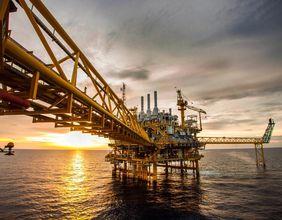
Companies such as Woodside Energy operate within energy production frameworks that include exploration, extraction, and distribution of hydrocarbons. These activities contribute to global supply chains and influence sector participation within the market.
The mining sector also contributes to overall market activity through the extraction and supply of commodities such as iron ore, gold, and lithium. These companies operate within resource-based frameworks that support industrial demand and export activity.
Financial institutions contribute through banking services, lending operations, and capital management frameworks. These companies influence market participation through their role in supporting economic activity and providing financial services.
Consumer sectors, including retail and staples, contribute through supply chain operations and product distribution. These sectors reflect consumer demand patterns and contribute to overall market movement.
Within the broader equity landscape, categories such as ASX dividend stocks provide insight into income-oriented companies, while other sectors operate under production and service-based models.
Global Influences and Market Movement
Market activity within the ASX is influenced by global developments, including commodity trends, economic conditions, and geopolitical factors. These influences contribute to fluctuations across sectors and shape how companies operate within the market environment.
Energy markets play a significant role in shaping market movement, with oil supply and demand dynamics influencing sector participation. Changes in global energy conditions affect production frameworks and contribute to broader market activity.
Inflation-related factors also influence market participation, affecting sectors such as consumer goods, financial services, and industrial companies. These developments shape operational strategies and contribute to overall market conditions.
The interaction between domestic and global influences highlights the complexity of market dynamics. Companies adapt their operations to align with these factors, ensuring continuity in their activities.
The inclusion of companies across indices such as the ASX 300 highlights the diversity of participation and the role of multiple sectors in shaping market activity.
Business Models Across Market Participants
Companies within the Australian equity market operate under a variety of business models that reflect the diversity of sectors represented within the ASX. Energy companies focus on resource extraction and distribution, mining firms operate within commodity production frameworks, and financial institutions provide banking and investment services.
Woodside Energy operates under a resource-based model, contributing to energy supply through oil and gas production. Mining companies operate within extraction frameworks that support industrial and infrastructure development.
Financial institutions operate within service-based models, providing financial products and services that support economic activity. These companies contribute to market participation through lending, investment, and asset management operations.
Consumer companies operate through supply chain systems that involve sourcing, logistics, and retail distribution. These models support the availability of goods and services across different markets.
The diversity of business models contributes to the overall structure of the equity market, where companies operate within their respective sectors while interacting with broader economic systems.
Industry Trends and Integration Across the Market
The Australian equity market continues to evolve with advancements in technology, changes in global demand patterns, and developments in industry practices. Companies across sectors focus on enhancing operational efficiency, integrating digital systems, and adapting to changing conditions.
Technological advancements influence sectors such as financial services, mining, and consumer goods, enabling improved efficiency and innovation. Companies implement digital tools and data-driven systems to optimise their operations.
The integration of different sectors within the broader market highlights the interconnected nature of economic activity. Energy, mining, financial, and consumer companies operate alongside each other, contributing to a balanced market structure.
The broader market, including segments represented by asx all ords, demonstrates how different industries coexist and interact, supporting overall economic activity. This integration reflects the diversity of the Australian equity market.
Global developments continue to influence the direction of the market, with companies adapting their strategies to align with evolving conditions. These developments contribute to ongoing activity across sectors and highlight the dynamic nature of the market environment.
